1050 C50 S50C Carbon Steel
S50C tool steel boasts higher hardness, excellent wear resistance and stable hardening performance, ideal for wear plates, jig fixtures, medium-duty gears, spline shafts, mold clamping plates and die holders.
- Standard: AISI 1050, DIN C50,JIS S50C, GB 50#
- Technique: EAF + LF + VD, forged or hot-rolled, multi-directional forging ratio ≥4, normalized or annealed as required
- Shape: Round, Flat, Plates, Blocks
- Heat treatment: Supplied in normalized condition, hardness ≤229 HBW typical; quenched and tempered (QT) to 24–32 HRC available on request
- Surface Treatment: Turned, milled / ground, sawn ends. Black (hot-rolled / forged surface) available for large sections
- Tolerance: flat bars & plates thickness: +0.5/-0.0 mm (turned); forged blocks: ±0.2 mm
- MOQ: 1 Ton
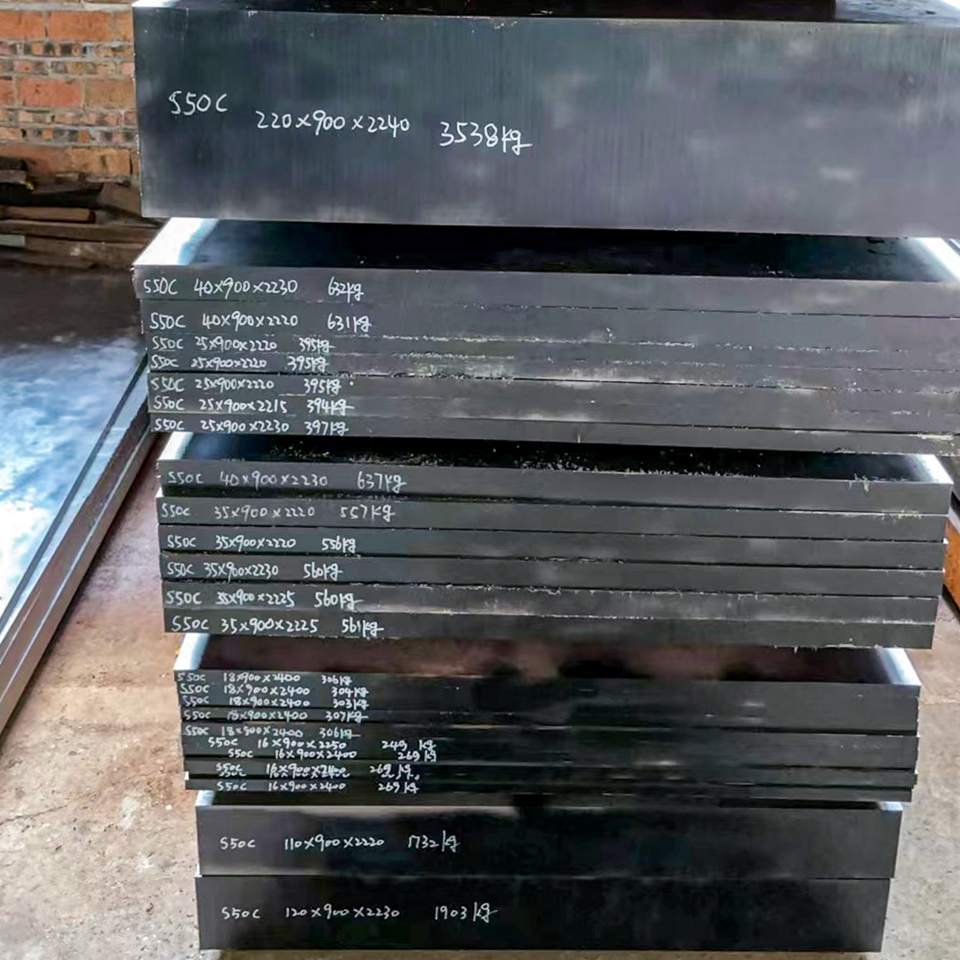
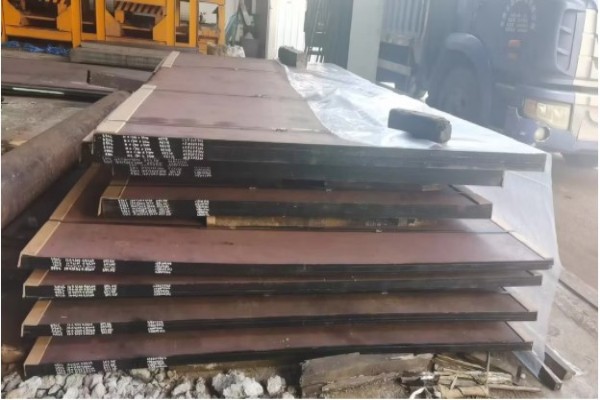
We supply AISI 1050 in various custom sizes
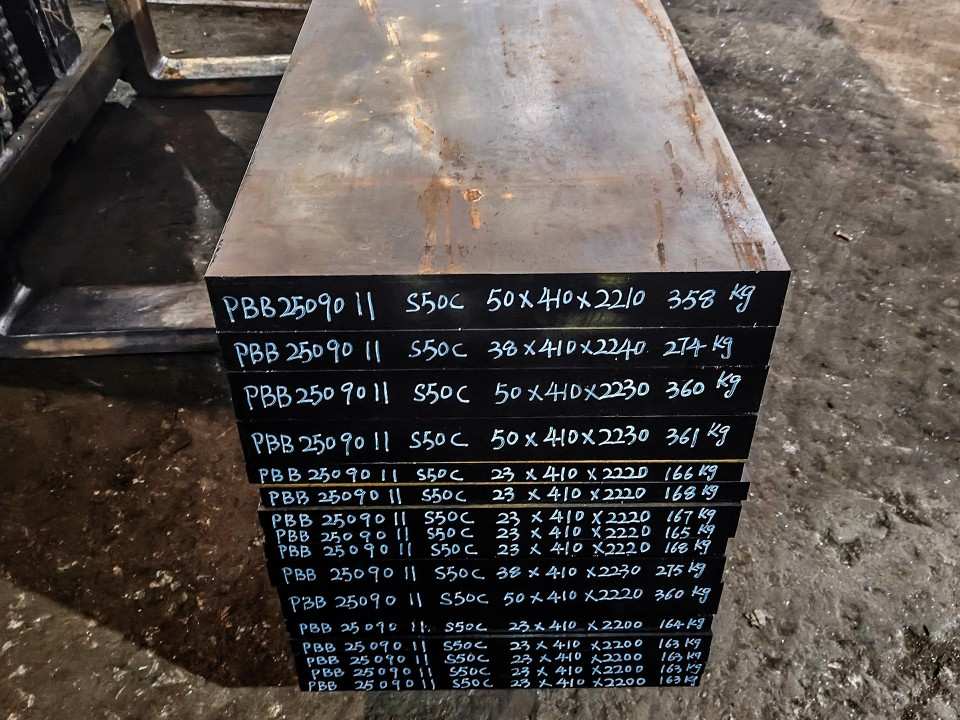
plate
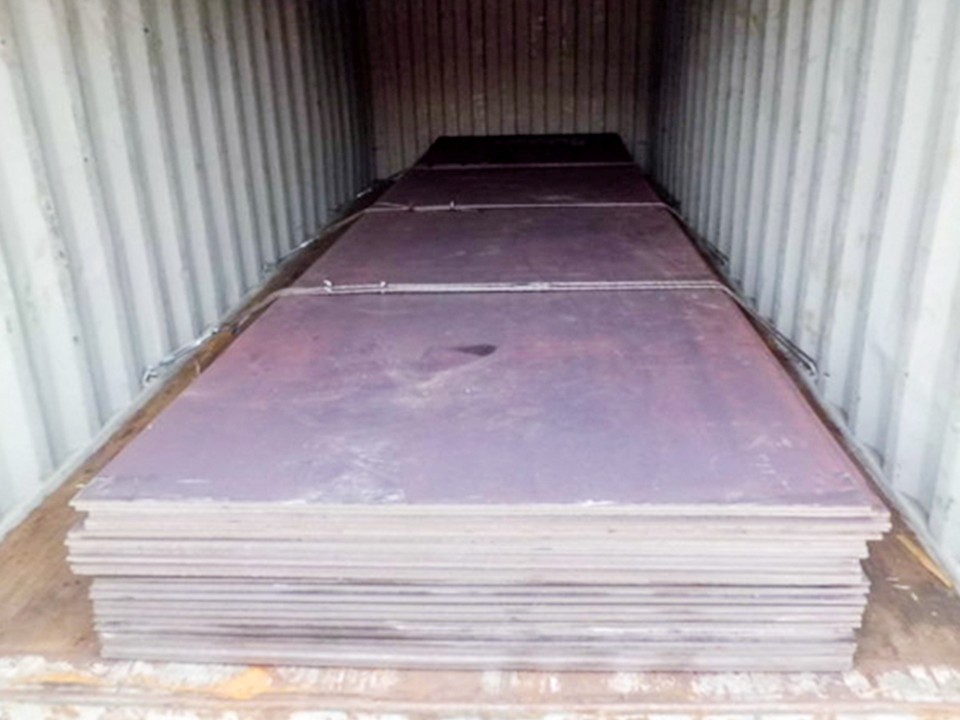
flat
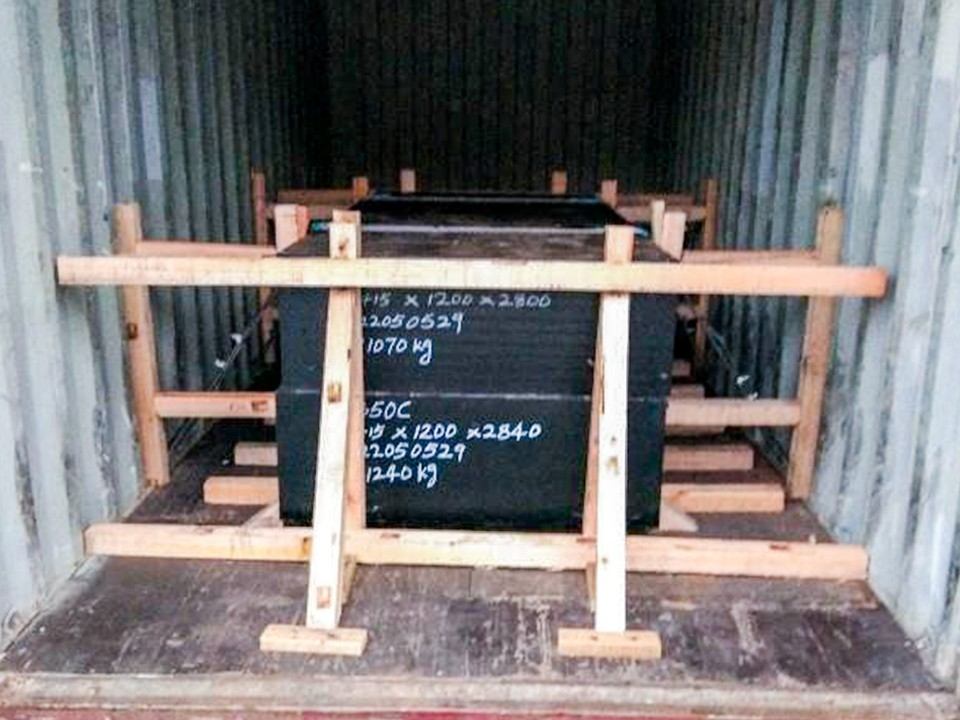
block
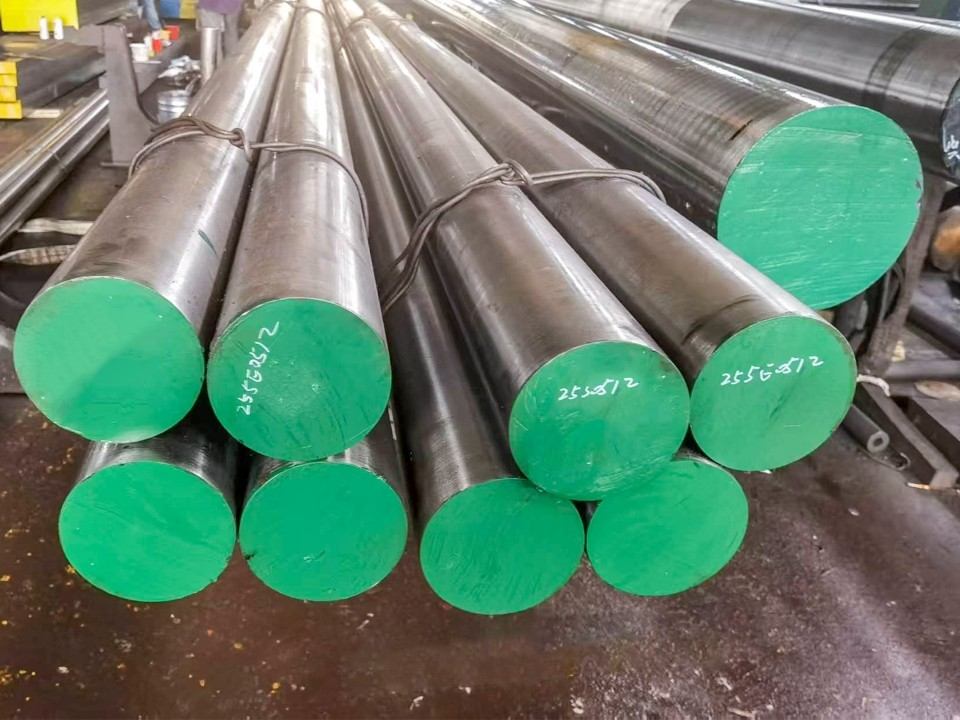
round
Chemical Composition (%)
Grade | C | Si | Mn | P (≤) | S (≤) | Cr (≤) | Ni (≤) | Cu (≤) | Mo (≤) |
1050 | 0.48–0.55 | 0.15–0.35 | 0.60–0.90 | 0.040 | 0.050 | 0.20 | 0.20 | 0.35 | 0.06 |
C50 | 0.47–0.55 | ≤0.40 | 0.60–0.90 | 0.045 | 0.045 | 0.40 | 0.40 | 0.30 | 0.10 |
S50C | 0.47–0.53 | 0.15–0.35 | 0.60–0.90 | 0.030 | 0.030 | 0.20 | 0.20 | 0.30 | — |
50# | 0.47–0.55 | 0.17–0.37 | 0.50–0.80 | 0.030 | 0.030 | 0.25 | 0.25 | 0.25 | — |
Main characteristics of S50C tool steel
- Higher strength & surface hardness – handles medium-heavy loads with better durability
- Excellent wear resistance – reduces abrasion loss in long-term cyclic operation
- Good machinability – supports efficient cutting and forming fabrication
- Stable hardening response – achieves uniform hardness via heat treatment
1050 | C50 | S50C tool steel applications
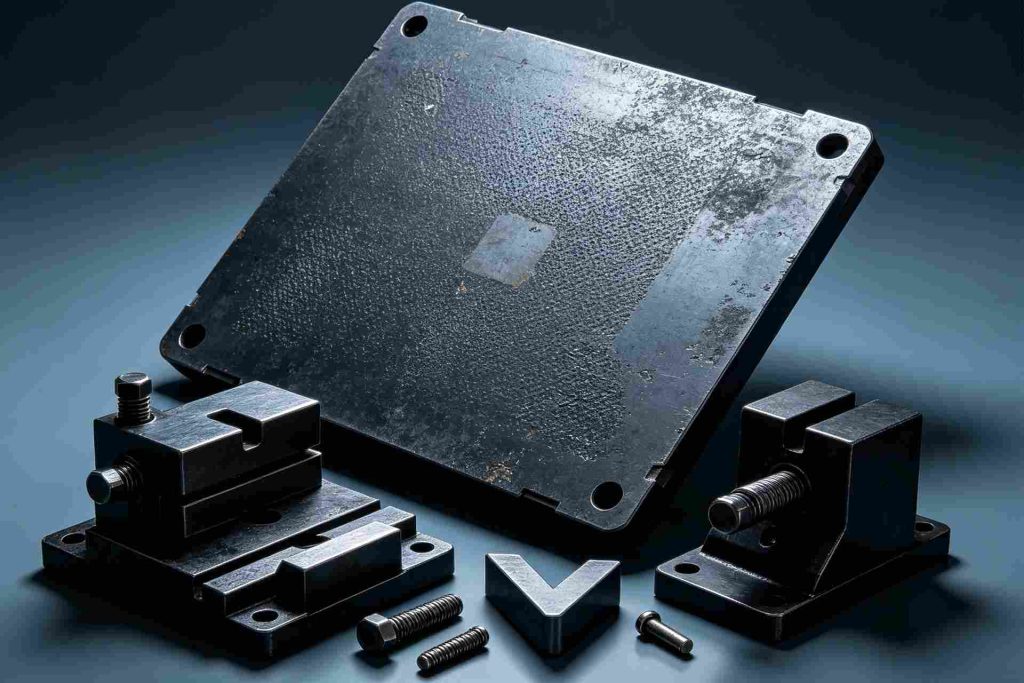
S50C steel for Wear Plate & Jig Fixture
Higher carbon content gives S50C improved wear resistance over S45C, making it a durable, cost-efficient choice for wear plates, jigs, and structural fixtures.
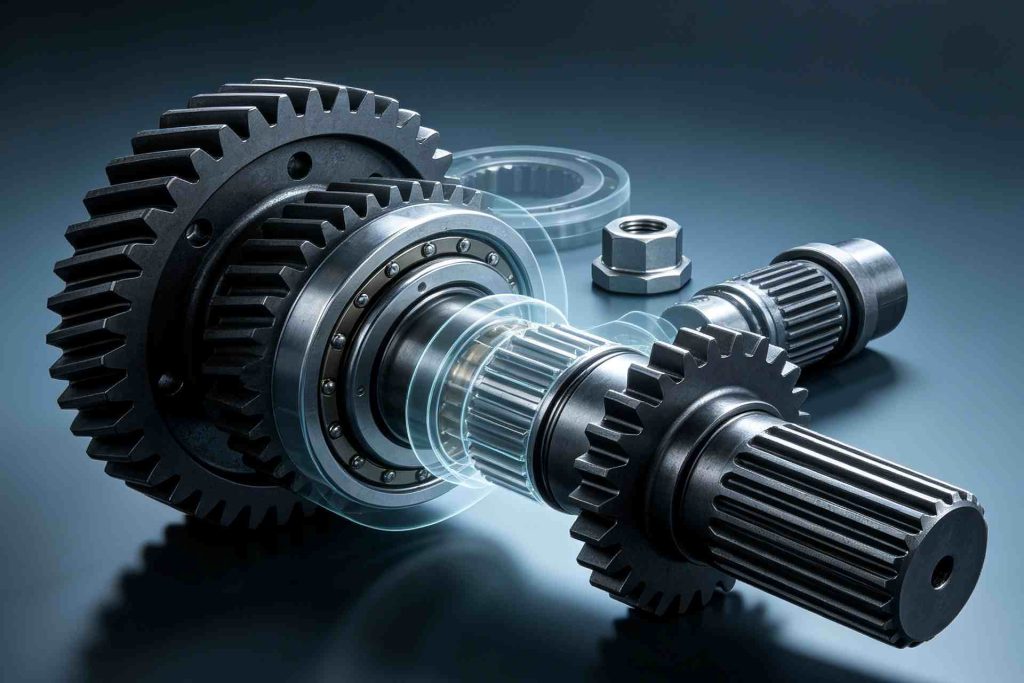
S50C steel for Medium-Duty Gear & Spline Shaft
Good hardenability after induction hardening provides a tough, wear-resistant surface for gears and splines in machinery and automotive applications.
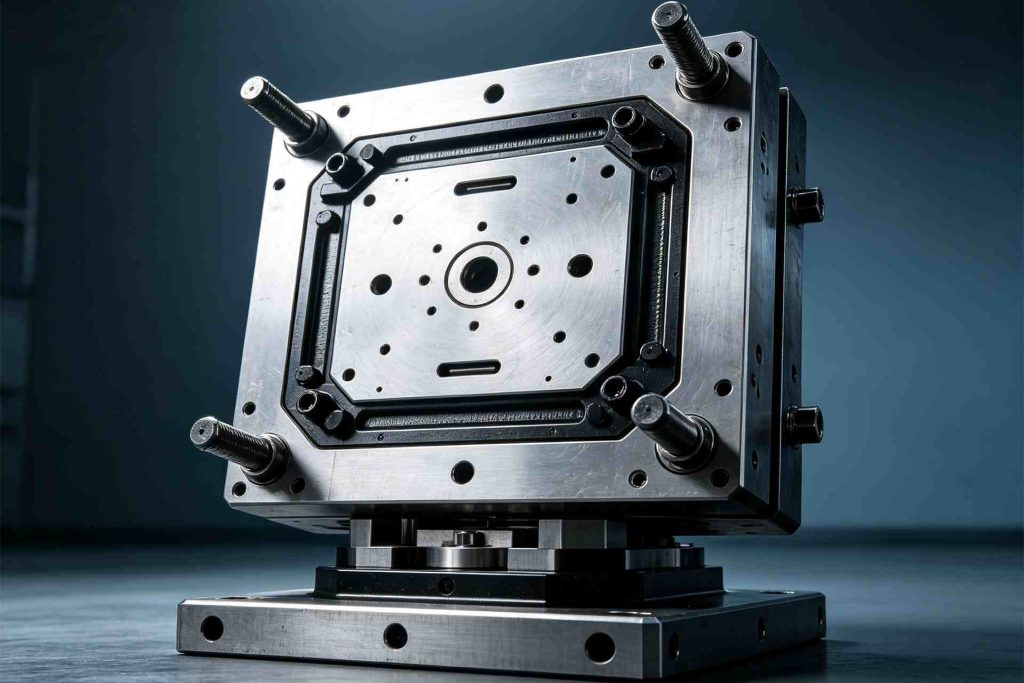
S50C steel for Mold Clamping Plate & Die Holder
Balanced strength and machinability allow S50C to withstand high clamping forces and repeated impacts in injection molding and die-casting die setups.
Our Production Technology For S50C (AISI 1050 / DIN C50) Medium Carbon Structural Steel
- EAF
- LF
- VD
- Fully Killed Steel
- Hot Rolled or Hot Extruded
- Forged (as required)
- Annealed / Normalized / Quenched and Tempered (as specified)
- Black surface or Machined surface / Peeled
- UT 100% SEP1921 Class 3 D/d or E/e
- Spheroidized microstructure as per standard NADCA207-2003 AS1-AS9
- Macrostructure, microstructure, grain size, and impact toughness shall meet the standards specified in GB/T 1299-2025 for Tool and Die Steels.
mechanical properties & heat treatment of S50C steel
| Heat temperature | Start forging temperature | Finish forging temperature | Cooling method |
| 1100 – 1150 °C | 1100 – 1050 °C | ≥ 850 °C | Pit, sand, or furnace cooling |
Annealing
- Annealing temperature: 650 – 700°C
- Hold at temperature for sufficient time (minimum 1 hour per 25mm of section thickness)
- Cool slowly in the furnace
- Hardness after annealing: ≤ 207 HB
- Annealing in a protective atmosphere is recommended to reduce decarburization and surface scaling
Hardening
- S50C is a medium carbon steel with poor hardenability. Quenching can cause deformation and cracking, making heat treatment control critical. Quenching is typically performed in water for maximum hardness
- Pre-heating (recommended): Preheat to 600 – 650°C to reduce thermal shock during austenitizing
-
Austenitizing temperature: 810 – 860°C.
Lower range (810–830°C): For thinner sections and complex shapes
Upper range (830–860°C): For heavier sections - Holding time: At least 30 minutes per 25mm of section thickness
-
Quenching media:
Water (preferred) — provides maximum hardness but increases distortion and crack risk
Oil — for reduced distortion, but lower hardness - Hardness after quenching (before tempering) : 56 – 63 HRC (water quenched)
Stress relieving
- Perform after rough machining, heavy stock removal, or welding to reduce residual stresses
- Heat carefully to 600 – 650°C (below the tempering temperature)
- Hold at temperature for 1 hour per 25mm of section thickness (minimum 2 hours)
- Air cool after holding
- This operation reduces the risk of distortion during final heat treatment and improves dimensional stability
Tempering
- Temper immediately after quenching when the workpiece cools to hand-warm temperature (approx. 50–70°C). Delayed tempering may cause cracking
- Number of tempers: Minimum 1 time for standard applications; 2 times recommended for critical components
- Holding time: 1 hour per 25mm of section thickness (minimum 2 hours)
- Cooling method: Rapid cooling (out-of-furnace quenching) is required after tempering to avoid temper brittleness. S50C does not exhibit secondary temper brittleness, but rapid cooling is recommended
- Tempering temperature range: 550 – 650°C
Normalizing
- Normalizing temperature: 830 – 870°C
- Hold at temperature until uniformly heated (approx. 30 minutes per 25mm of section thickness)
- Cool in still air
- Hardness after normalizing: 143 – 235 HB
- Purpose: Refine grain structure, produce a more uniform ferrite-pearlite distribution, eliminate forging stresses, and prepare for final heat treatment
Why Choose NSPM as Your S50C Tool Steel Supplier
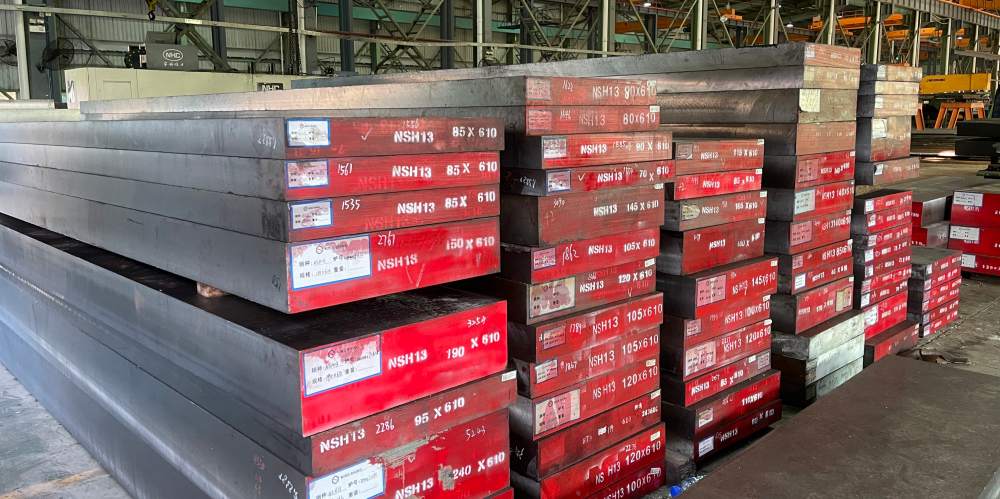
Source Direct
Direct mill cooperation ensures stable supply, competitive pricing, and consistent quality. Global resource integration and strong supply chain management guarantee reliable material sourcing and long-term availability.
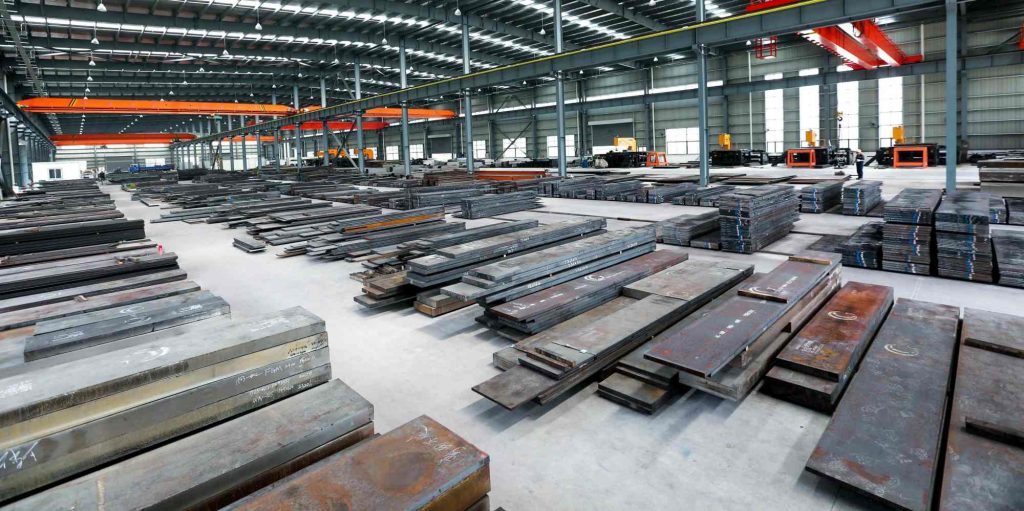
Stock Ready
50,000+ tons inventory across 11 warehouses enables fast delivery. Flexible cutting, short lead times, and ready stock support urgent demands and improve customers’ production efficiency.
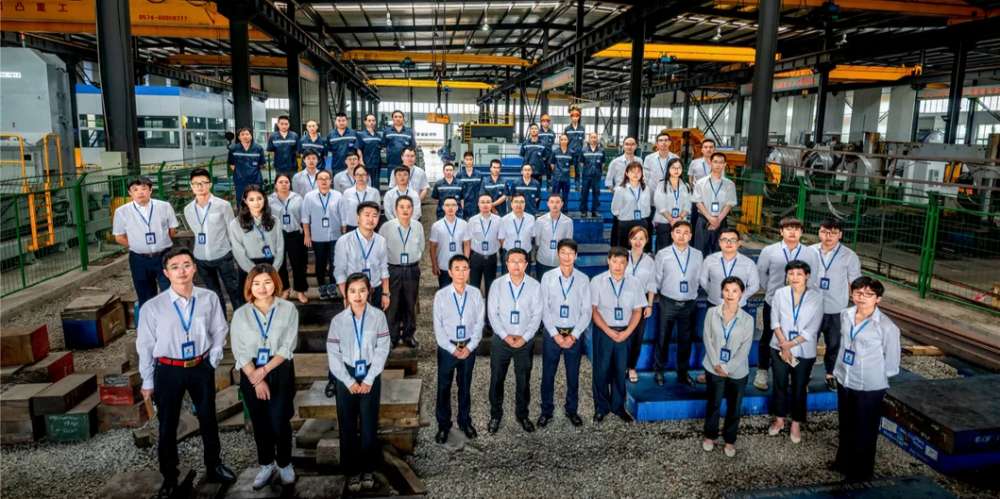
Expert Team
600+ professionals, including R&D specialists and technical engineers, provide application-driven support. Fast response and deep tooling knowledge ensure accurate solutions for diverse industrial needs.
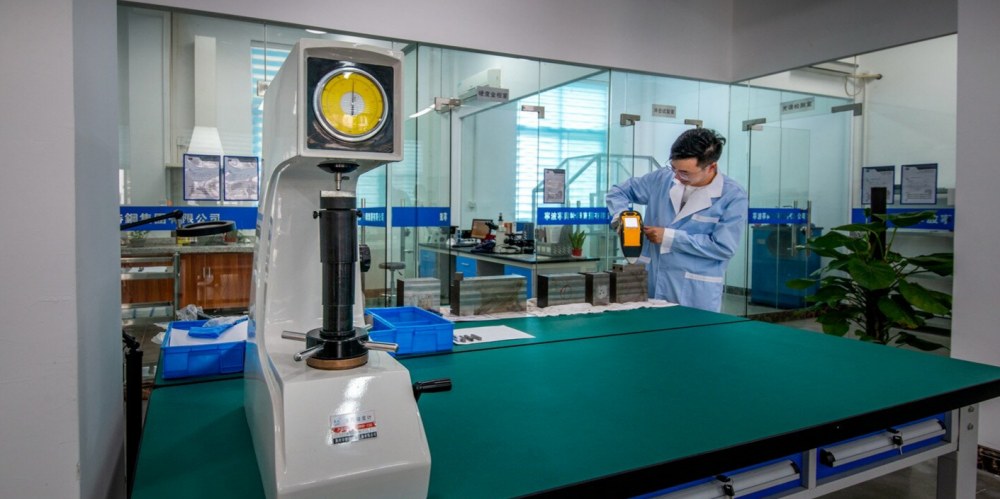
Fully Inspected
Strict quality control system with full traceability, UT testing, and heat treatment records. Certified standards (ISO, CE) ensure every material meets high-performance and reliability requirements.
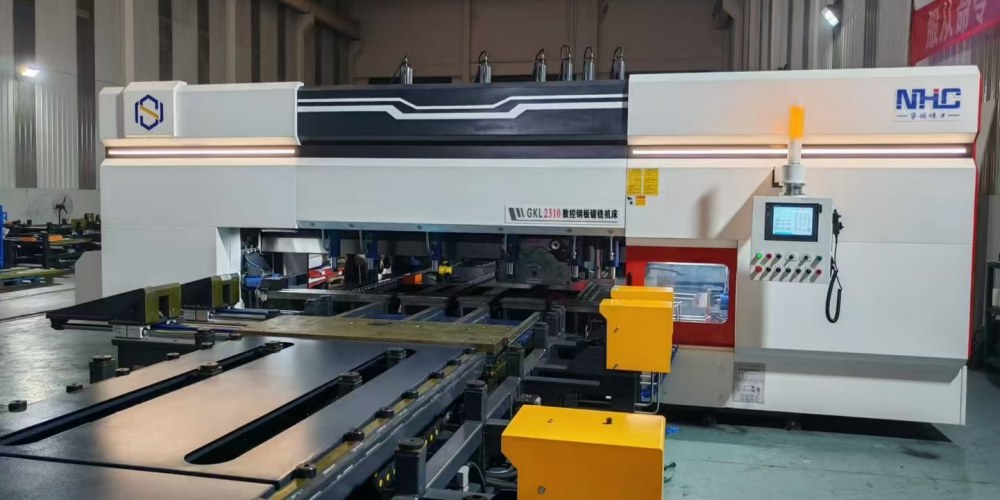
Full-Chain Machining
From steel supply to precision machining, heat treatment, and equipment manufacturing, NSPM offers integrated solutions that enhance accuracy, efficiency, and overall tooling performance.