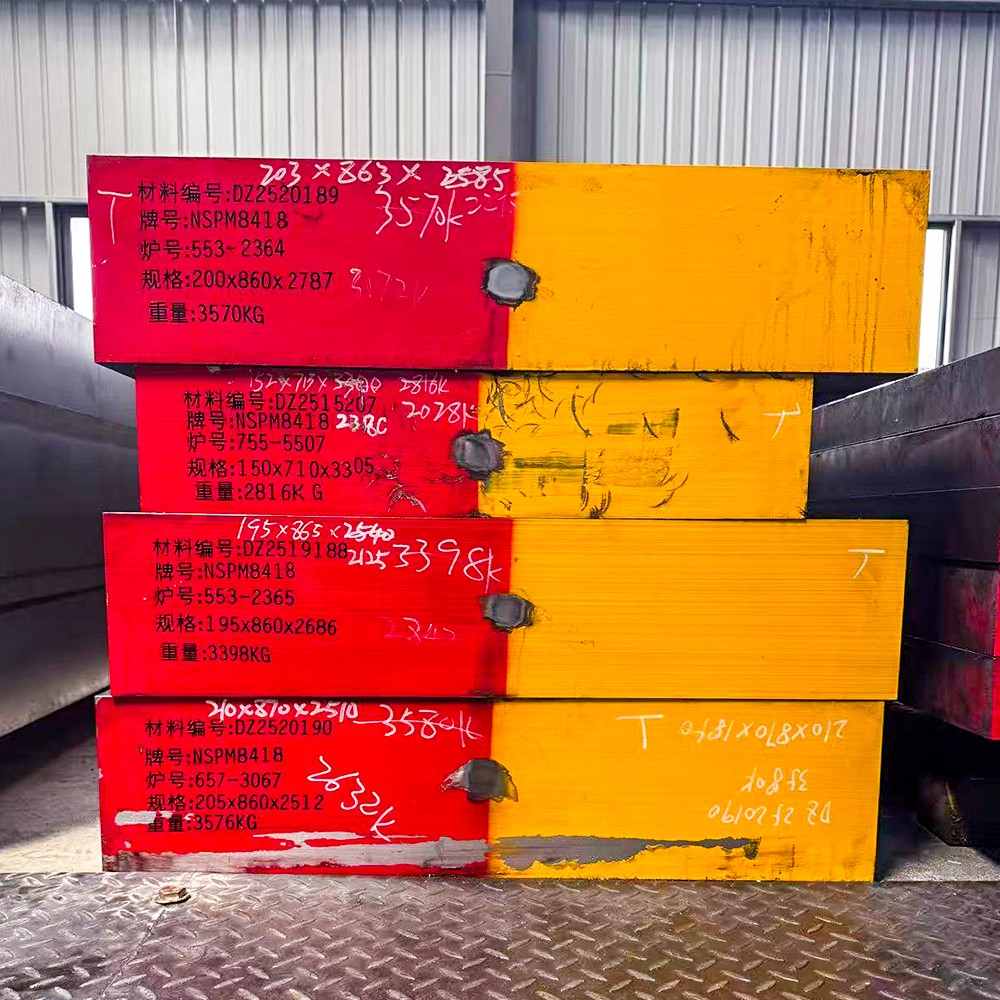

Hot work tool steel is designed for extreme working conditions involving high temperature, high pressure and cyclic thermal stress. These steels are widely used in die casting molds, forging dies and aluminum extrusion tools. With excellent thermal fatigue resistance, high red hardness and outstanding toughness, hot work tool steel ensures long mold life and stable production performance.
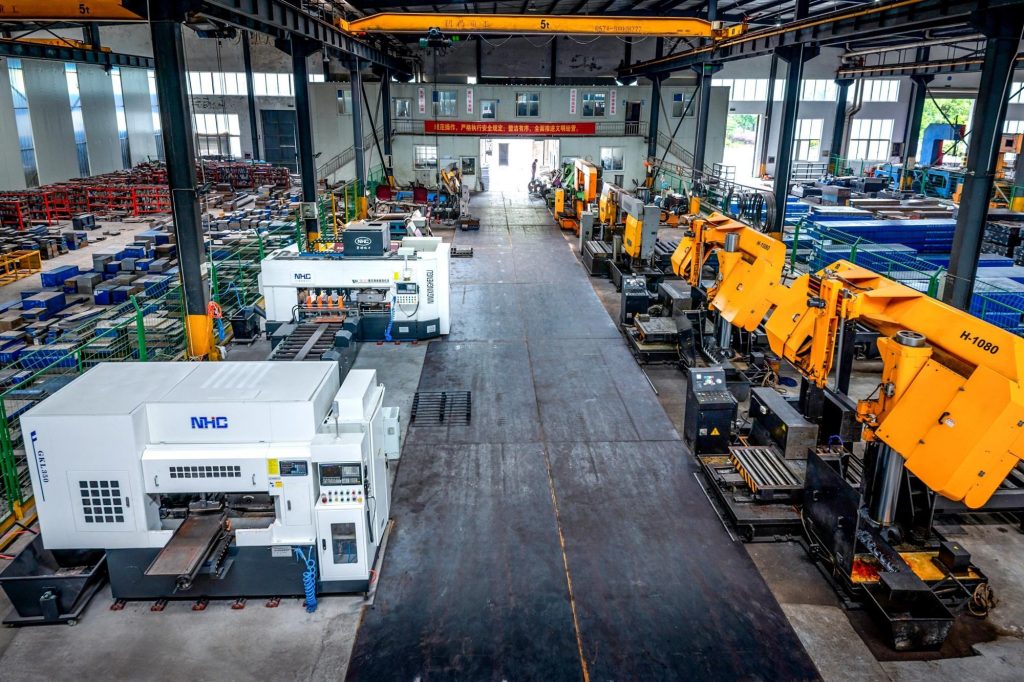
As a leading hot work tool steel stockholder in China, NSPM supports this demand with 14 warehouses, 2 workshops, over 50,000 tons of inventory, and 300+ machining equipment sets.

Hot work tool steel is engineered to operate under temperatures of 500–600°C where tools are exposed to repeated heating and cooling cycles. These steels maintain dimensional stability, strength and wear resistance even under molten metal erosion and heavy impact loads.
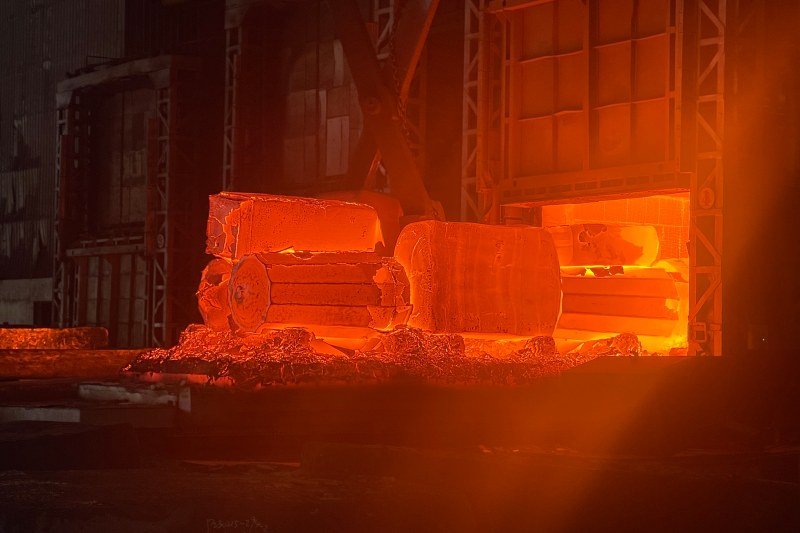
Hot work tool steels are available in a range of internationally recognized grades, each designed for specific performance requirements.
Common grades include H11, H12, H13, H21, and H22, which are widely used across die casting, extrusion, and forging industries.
| Grade | C | Si | Mn | P | S | Cr | Mo | V | W | Ni | Others |
| 1.2344 | 0.35-0.42 | 0.80-1.20 | 0.25-0.50 | ≤0.030 | ≤0.030 | 4.80-5.50 | 1.20-1.50 | 0.85-1.15 | |||
| H13 | 0.32-0.45 | 0.80-1.20 | 0.20-0.50 | ≤0.030 | ≤0.030 | 4.75-5.50 | 1.10-1.75 | 0.80-1.20 | |||
| 1.2343 | 0.33-0.41 | 0.80-1.20 | 0.25-0.50 | ≤0.030 | ≤0.030 | 4.80-5.50 | 1.10-1.50 | 0.30-0.50 | |||
| H11 | 0.30-0.43 | 0.80-1.20 | 0.20-0.50 | ≤0.030 | ≤0.030 | 4.75-5.50 | 1.10-1.60 | 0.30-0.60 | — | — | — |
| 1.2714 | 0.50-0.60 | 0.10-0.40 | 0.60-0.90 | ≤0.030 | ≤0.030 | 0.80-1.20 | 0.35-0.55 | 0.05-0.15 | — | 1.50-1.80 | — |
| 1.2345 | 0.48-0.53 | 0.80-1.10 | 0.20-0.40 | ≤0.030 | ≤0.030 | 4.80-5.20 | 1.25-1.45 | 0.80-1.00 | — | — | — |
| 1.2365 | 0.28-0.35 | 0.10-0.40 | 0.15-0.45 | ≤0.030 | ≤0.030 | 2.70-3.20 | 2.50-3.00 | 0.40-0.70 | — | — | — |
| 1.2367 | 0.35-0.40 | 0.30-0.50 | 0.30-0.50 | ≤0.030 | ≤0.030 | 4.80-5.20 | 2.70-3.20 | 0.40-0.60 | — | — | — |
| 1.2329 | 0.43-0.48 | 0.60-0.75 | 0.65-0.85 | 0.03 | 0.03 | 1.65-1.85 | 0.25-0.35 | 0.17-0.22 | — | 0.45-0.60 | — |
| 1.2581 | 0.25-0.35 | 0.15-0.40 | 0.15-0.40 | ≤0.030 | ≤0.030 | 2.50-3.20 | — | 0.30-0.50 | — | — | — |
| 1.2779 | ≤0.08 | ≤1.00 | ≤2.00 | ≤0.030 | ≤0.030 | 13.50-16.00 | 1.00-1.50 | 0.10-0.50 | — | 24.00-27.00 | Ti: 1.90-2.30 |
| 1.2885 | 0.28-0.35 | 0.10-0.40 | 0.15-0.40 | ≤0.030 | ≤0.030 | 2.70-3.20 | 2.60-3.00 | 0.40-0.70 | — | — | Co: 3.50-3.00 |
| 1.2888 | 0.17-0.23 | 0.15-0.35 | 0.40-0.60 | ≤0.030 | ≤0.030 | 9.00-10.00 | 1.80-2.20 | — | 5.00-6.00 | — | Co: 9.50-10.50 |
| 1.2343 ESR | 44-46 hrc | 0.33-0.41 | 0.80-1.20 | 0.25-0.50 | ≤0.020 | ≤0.010 | 4.80-5.50 | 1.10-1.50 | 0.30-0.50 | — | |
| 1.2714 | 38-42 hrc | 0.50-0.60 | 0.10-0.40 | 0.60-0.90 | ≤0.030 | ≤0.030 | 0.80-1.20 | 0.35-0.55 | 0.05-0.15 | — |
Hot work tool steels are widely used in industries where tools are exposed to high temperatures, heavy loads, and repeated thermal cycling.
Different applications demand specific combinations of toughness, heat resistance, and wear performance, guiding the choice of steel grades.
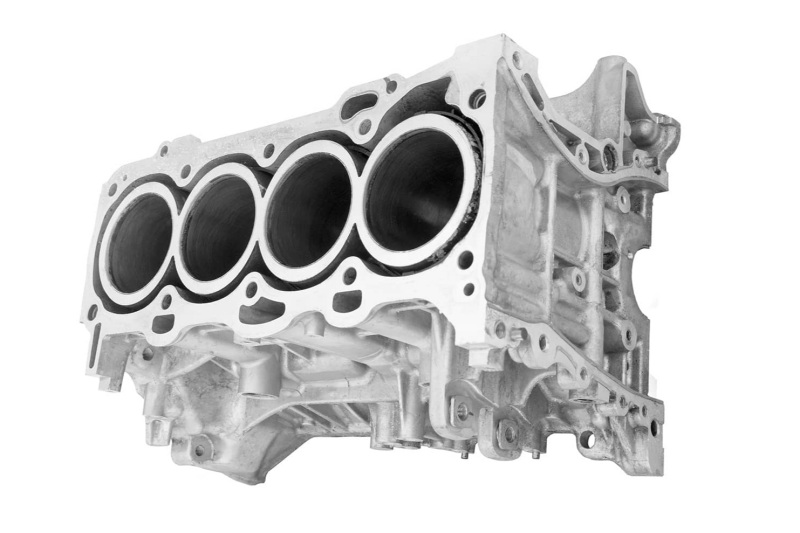
dies for casting aluminum, magnesium, and copper alloys
In die casting, molds are exposed to molten aluminum, magnesium, or copper alloys, followed by rapid cooling. This cycle can cause thermal fatigue, heat checking, and cracking. NSPM offers H13-type steels with balanced chromium and molybdenum content, delivering excellent thermal fatigue resistance, dimensional stability, and long die life.
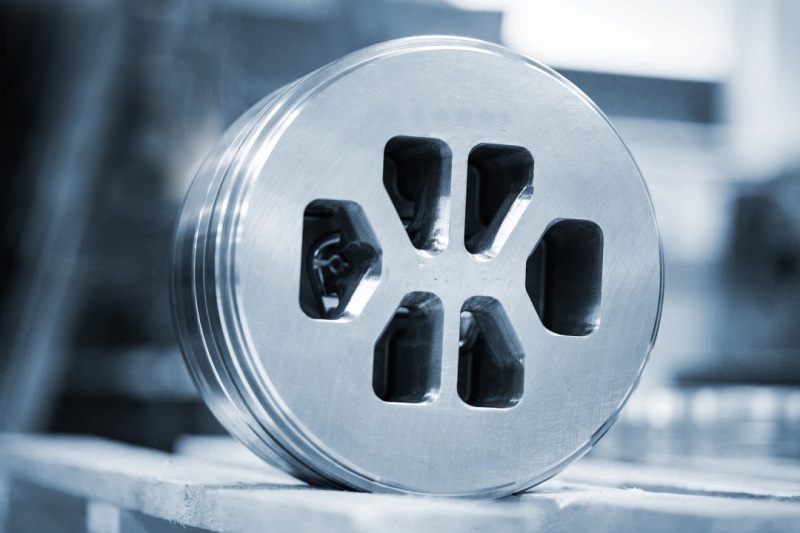
dies for hot extrusion of metals
Extrusion dies operate under continuous high temperatures and pressure, with significant friction and wear. NSPM provides steels with high red hardness and wear resistance, typically 45–55 HRC, maintaining surface finish and dimensional accuracy over long production runs. Customized grades can be tuned for specific alloys and extrusion speeds.
tools for drop forging
Drop forging tools face heavy impact loads and extreme thermal stress, requiring high toughness and crack resistance. H11-type steels are commonly chosen for their superior impact strength and ability to withstand cyclic loading, reducing the risk of die failure and extending service life.
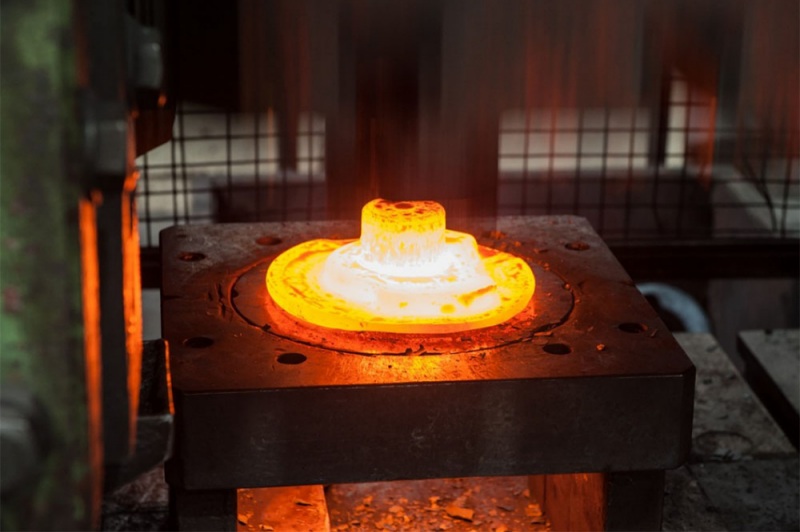
hot blanking dies, precision forging molds, plastic processing screws
Hot work steels are also used in hot blanking dies, precision forging molds, and plastic processing screws and barrels. These tools require a balance of wear resistance, thermal stability, and toughness, depending on the process and material. NSPM provides custom grades of hot work die steels to optimize performance, reduce maintenance frequency, and prolong operational life.
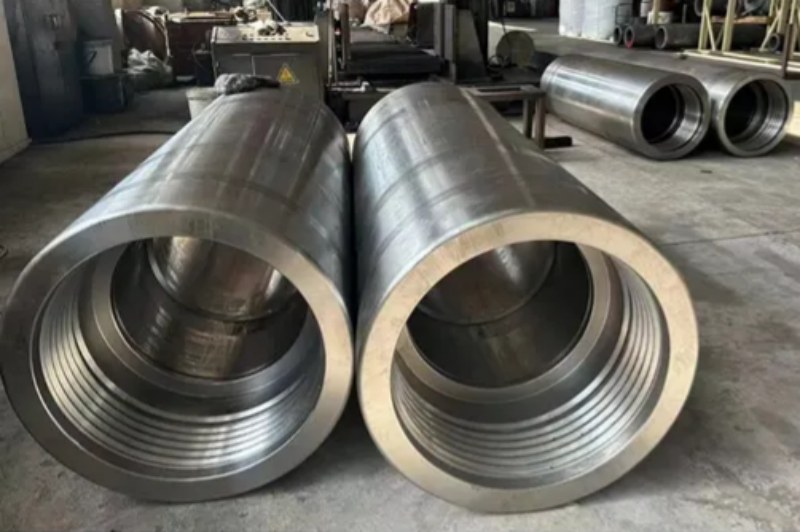
NSPM specializes in high-performance hot work tool steels that are tailored to meet the evolving demands of modern manufacturing.
Whether you require high-impact resistance for forging dies or enhanced wear resistance for extrusion tools, NSPM provides steels that are engineered for performance and built for durability.
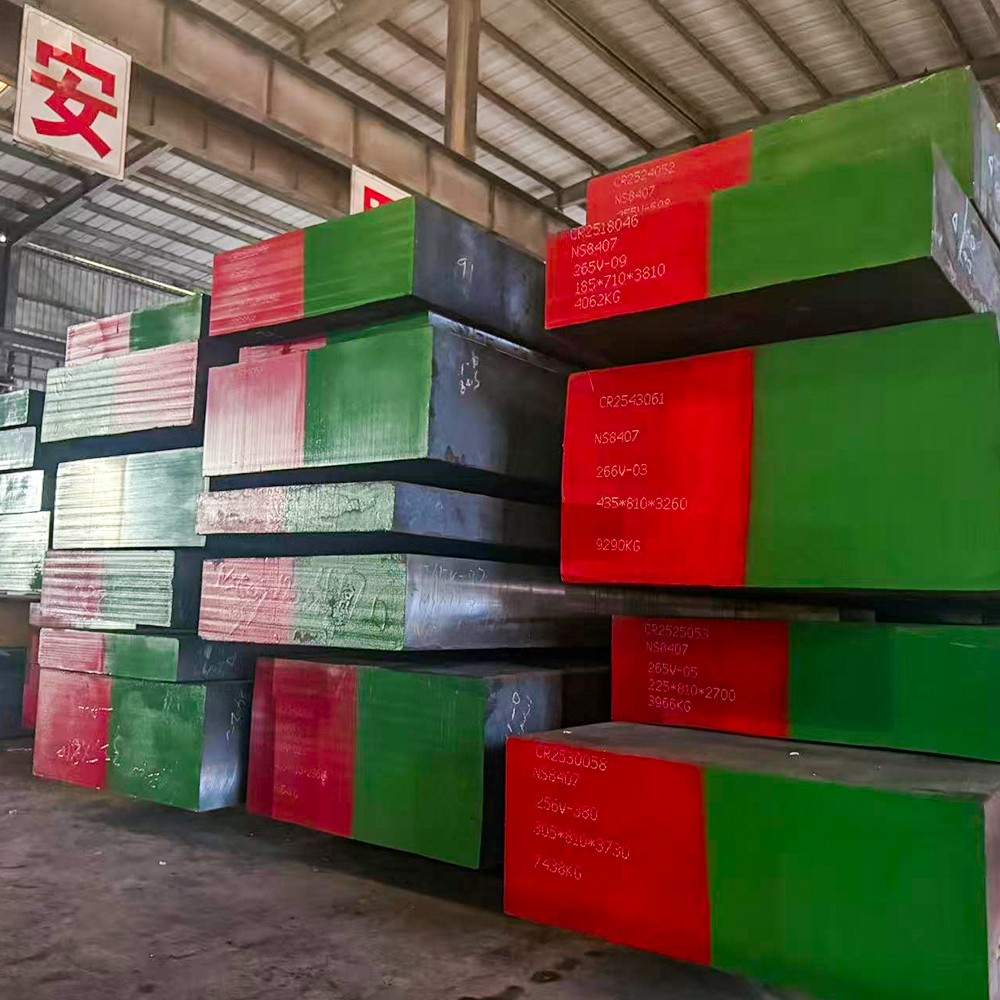
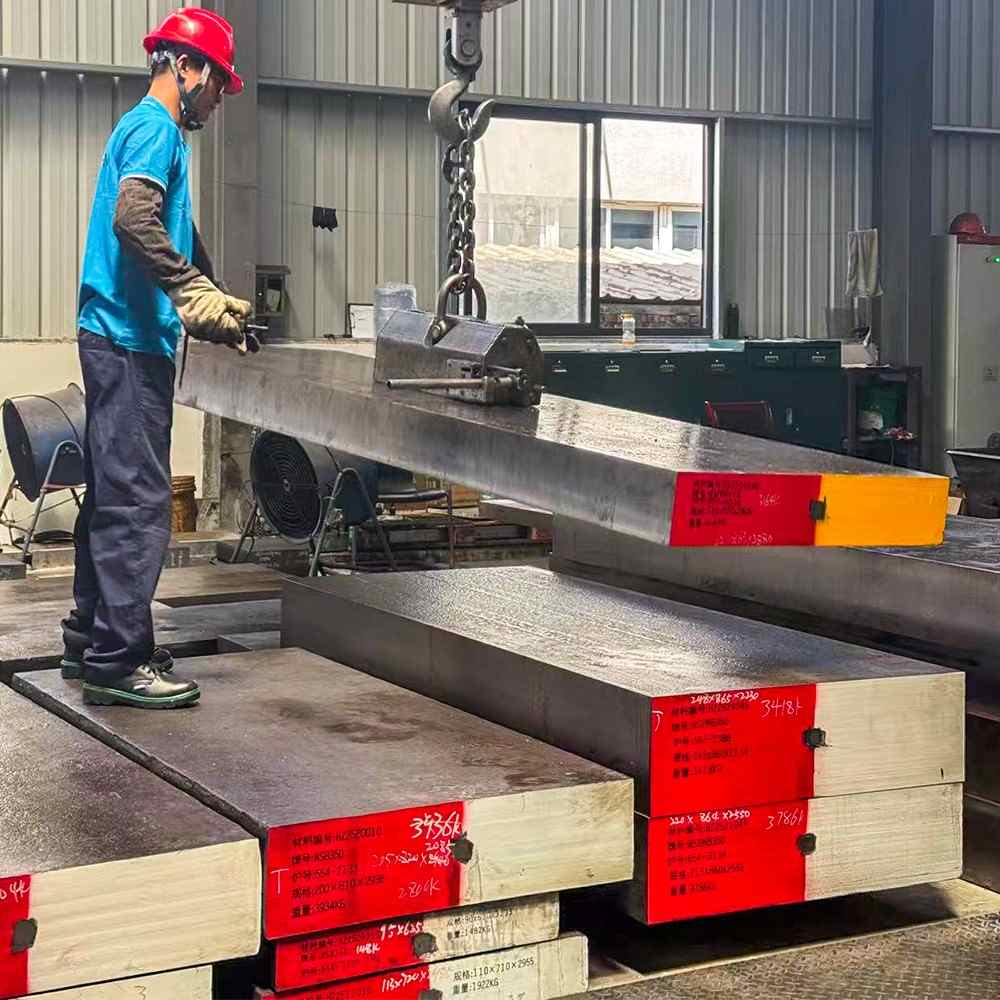
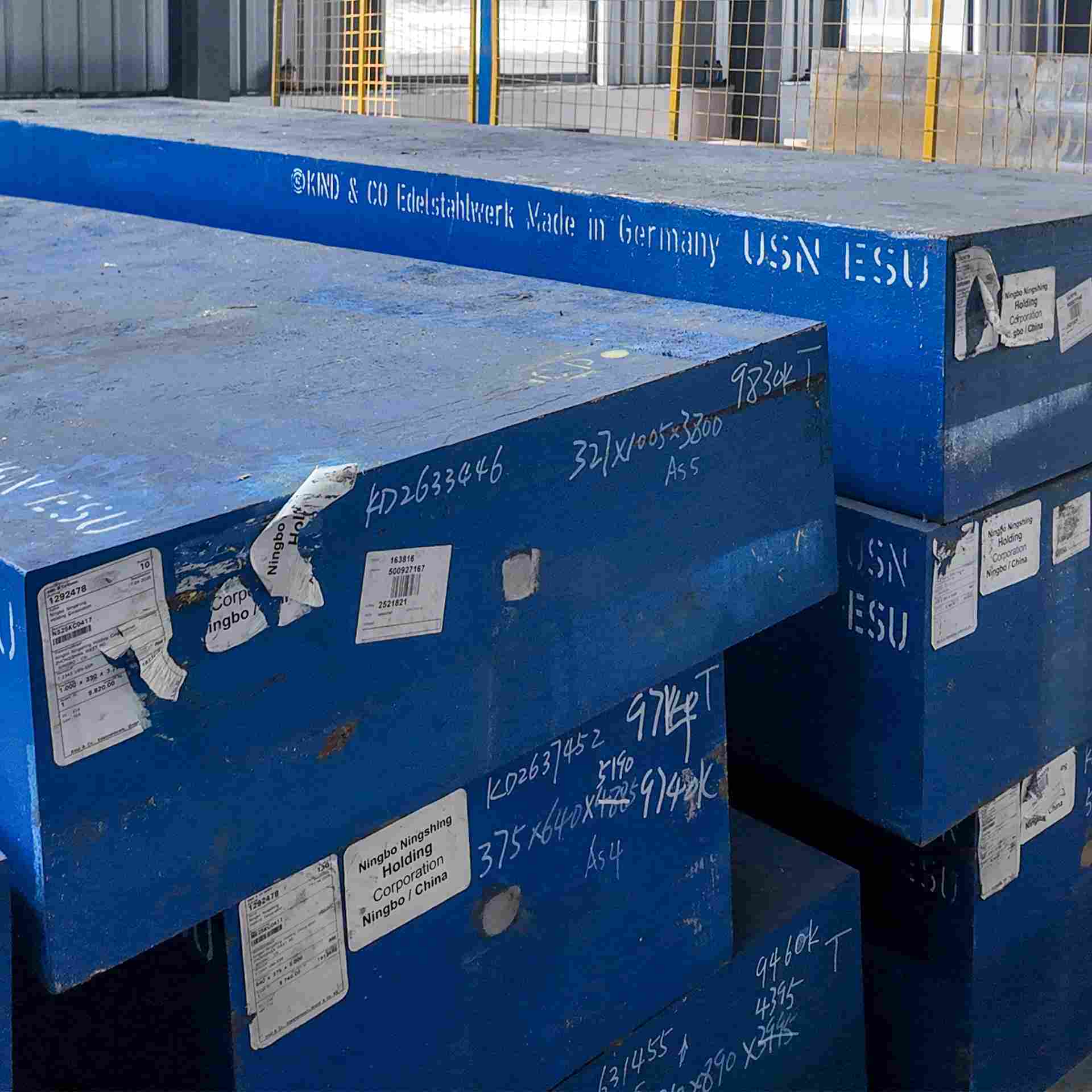
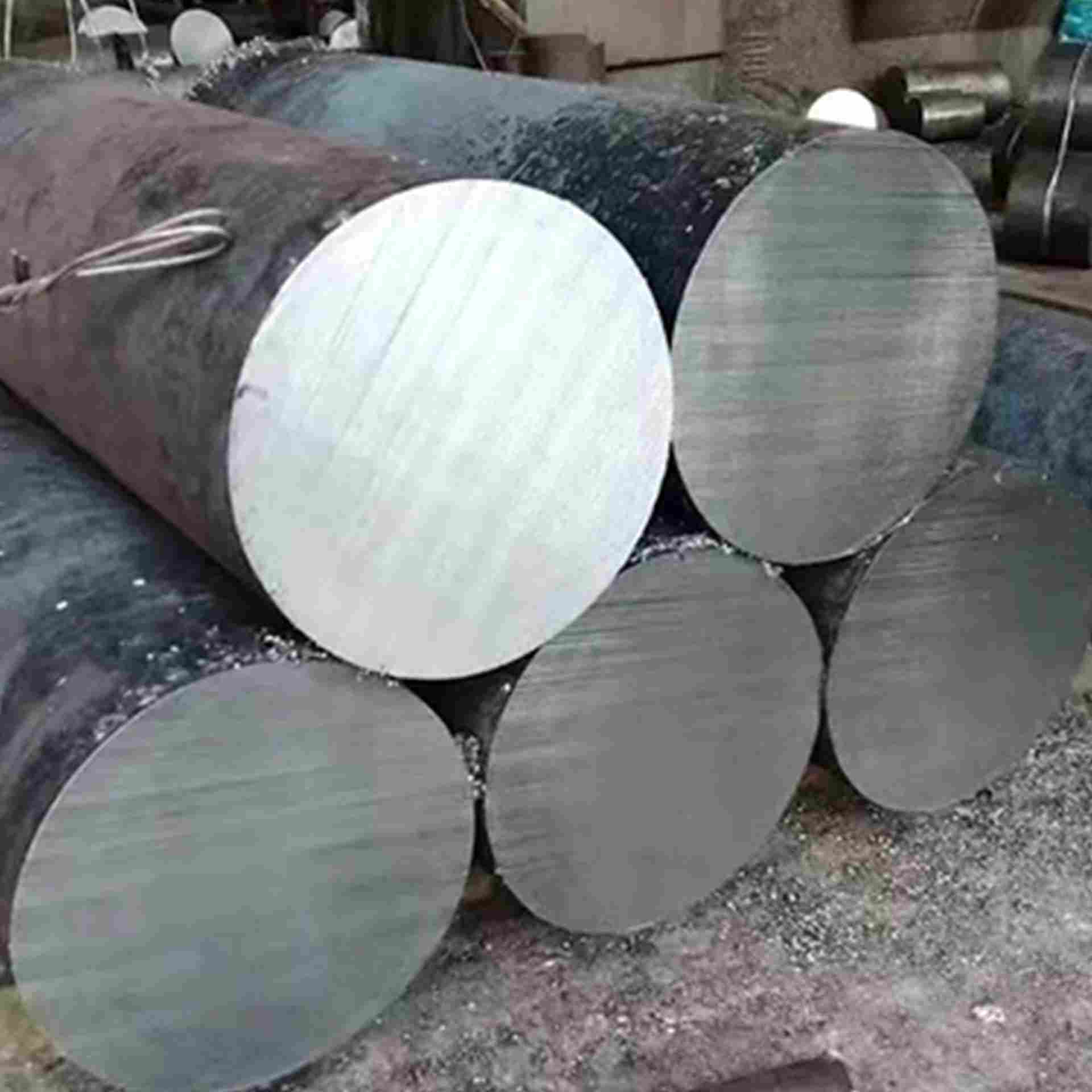
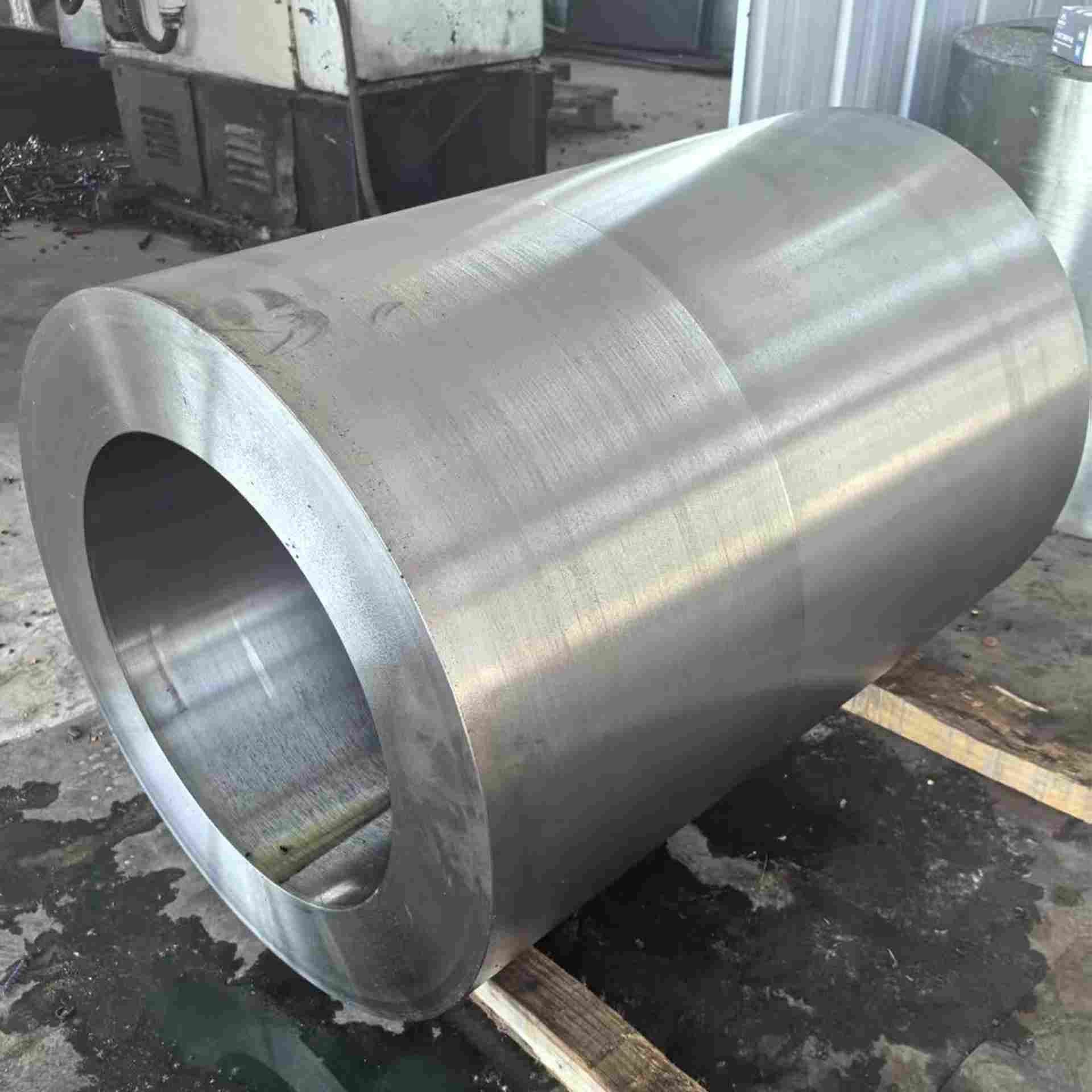
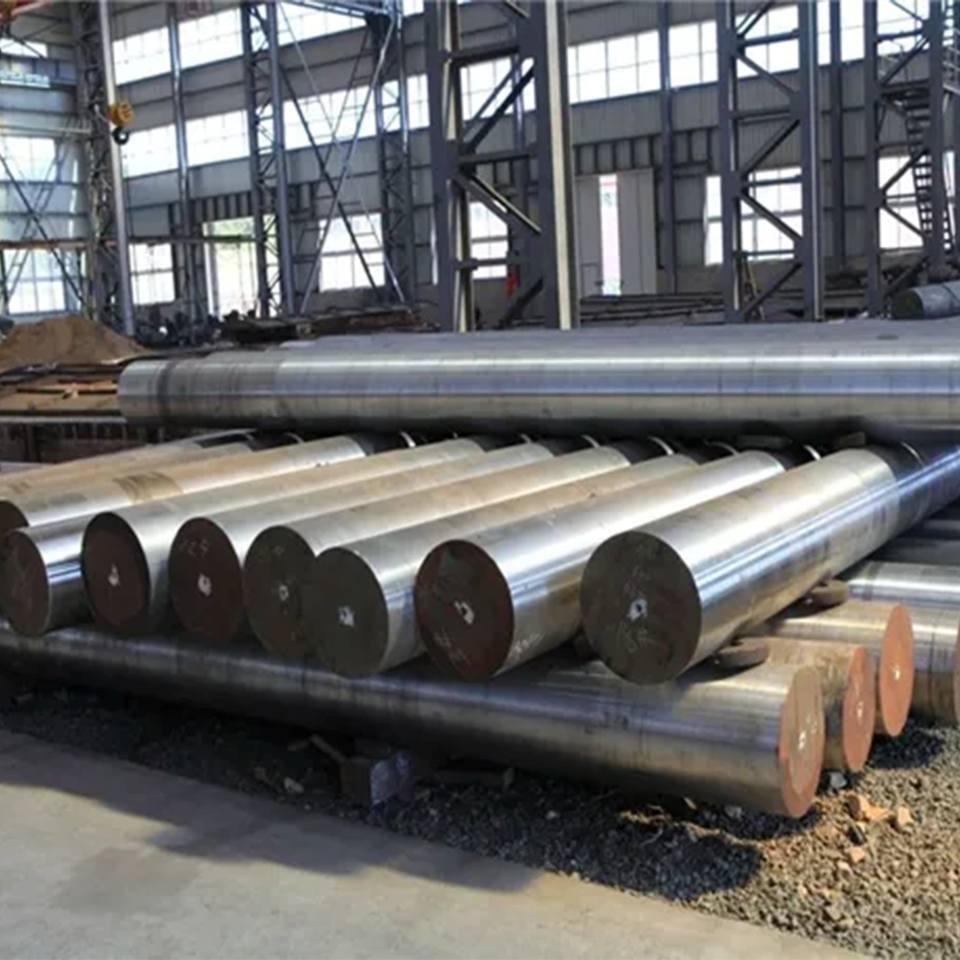
available sizes and supply conditions
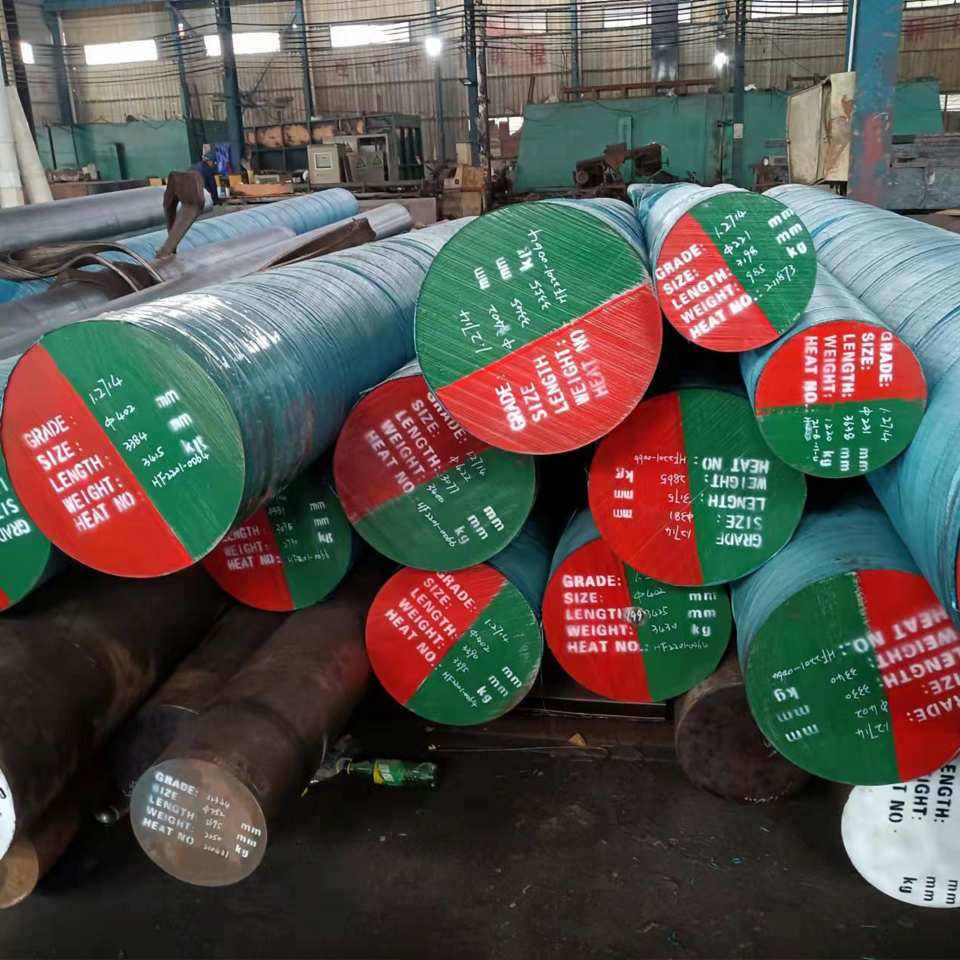
NSPM supplies hot work tool steel in round bars (5–1200 mm), ideal for machining die cores, shafts, and inserts, with tight tolerances and excellent surface quality to reduce machining time and waste.
For plates or flat geometries, NSPM offers thicknesses of 6–120 mm and widths up to 2000 mm, used in die blocks, mold bases, and structural components.
Forged blocks (60–700 mm thick, up to 1600 mm wide) provide high internal integrity; forging refines grain structure for toughness and crack resistance.
NSPM also provides custom near-net-shape cutting per your drawings, delivering ready-to-use materials that streamline production and improve efficiency.
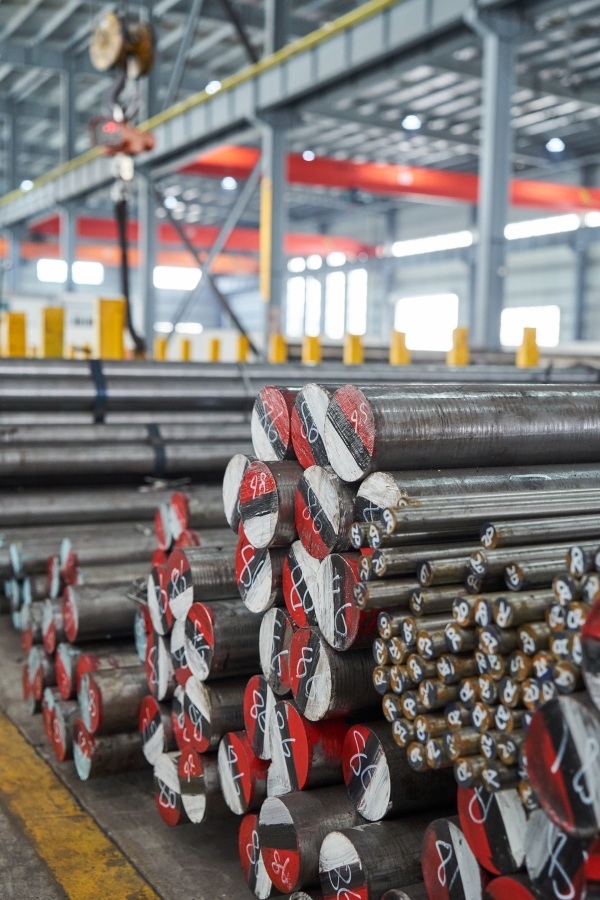
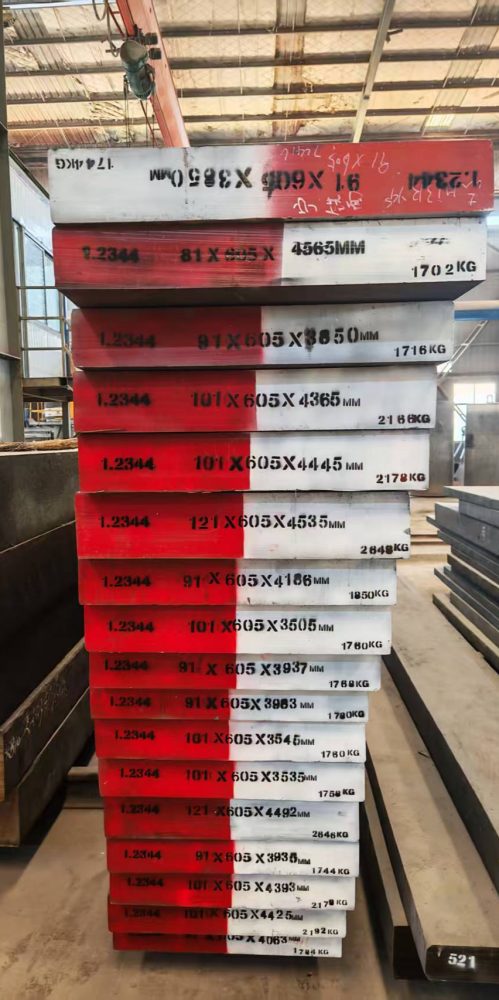
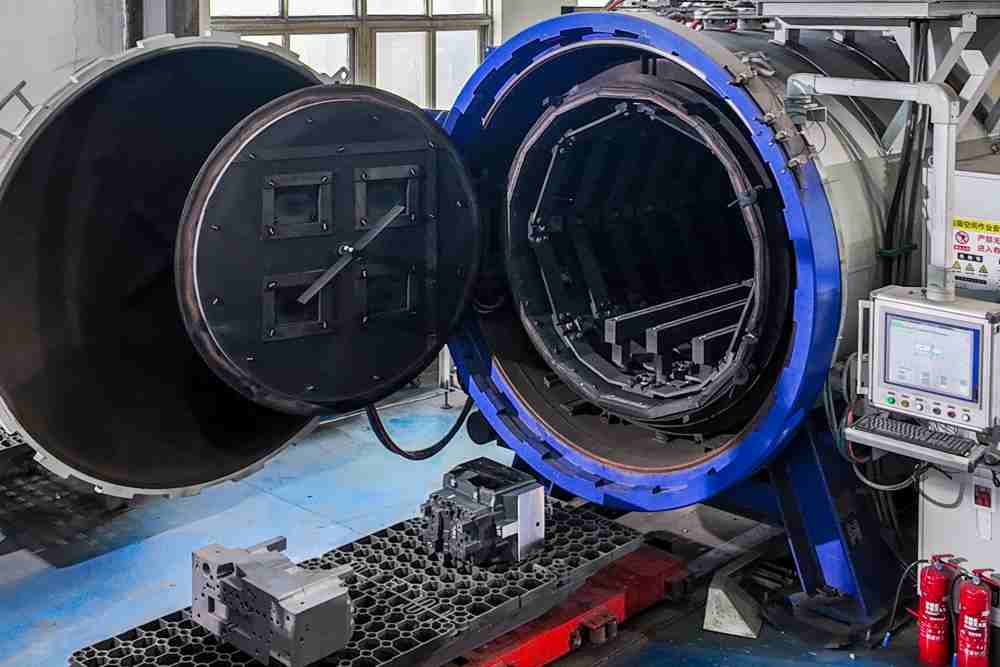
Heat treatment plays a crucial role in achieving the desired properties of hot work tool steels. NSPM provides materials in annealed or pre-hardened conditions, depending on customer requirements.
Typical hardness ranges from 35–45 HRC for high-impact applications to 45–55 HRC for wear-resistant applications. By controlling heat treatment parameters, we ensure uniform hardness, improved toughness, and reduced internal stress.
Our expertise in heat treatment allows customers to achieve consistent results and maximize tool performance.
Hot work tool steels are engineered to deliver reliable performance under extreme thermal and mechanical conditions. Their key properties are carefully balanced to ensure durability, stability, and long service life in demanding applications such as die casting, forging, and extrusion.
These steels maintain strength and hardness at elevated temperatures, typically between 500–600°C. High red hardness ensures that tools resist softening during prolonged exposure to heat, preserving shape and functionality.
Repeated heating and cooling cycles can cause surface cracking. Hot work tool steels are designed to resist thermal fatigue, reducing the risk of premature failure and extending tool life.
In high-load environments like forging, tools must withstand strong mechanical impact. These steels offer excellent toughness, preventing cracking and ensuring safe, stable operation.
Efficient heat dissipation helps minimize thermal stress. Combined with strong dimensional stability, this ensures precision, reduces distortion, and maintains consistent performance throughout the tool’s lifespan.
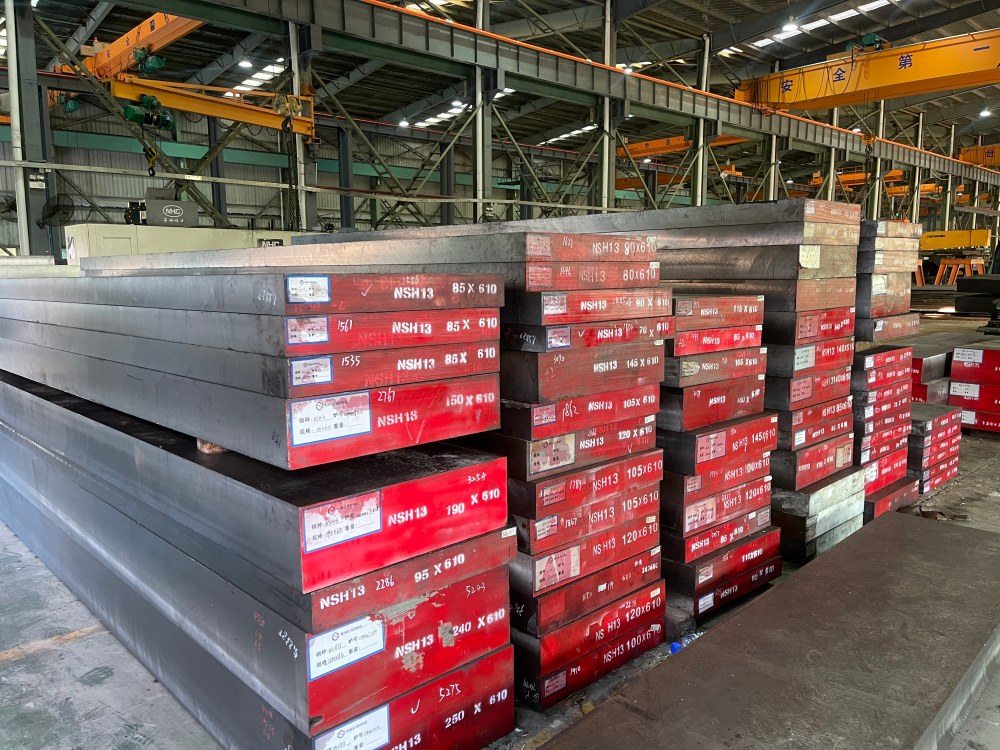
Hot work tool steels can be broadly classified into three main categories based on their primary alloying elements: chromium-based, tungsten-based, and molybdenum-based steels. Each category offers distinct performance characteristics, allowing manufacturers to select the most suitable material according to temperature conditions, load intensity, and tool life requirements.
NSPM Steel — your reliable tool steel partner for mold manufacturing
Stable supply from leading tool steel mills
Competitive pricing advantage
Flexible delivery and supply solutions
Large stock and flexible cutting services
Professional technical support
Complete tool steel grade portfolio
Get in Touch
Here you will get suitable answers.