DIN 1.2201 Cold Work Tool Steel manufacturer
1.2201 Cold Work Tool Steel provides high wear resistance, good toughness, and reliable dimensional stability. Ideal for manufacturing cold blanking dies, cold drawing dies, precision gauges, and other cold-work tooling.
- Standard: Material No. 1.2201, DIN X165CrV12
- Technique: EAF + LF + VD or ESR, forged, multi-directional forging ratio ≥4, spheroidized annealed
- Shape: Round, Flat, Plates, Blocks
- Heat treatment: Supplied in annealed condition, hardness ≤255 HBW; pre-hardened to 58–62 HRC (quenched and tempered) available on request
- Surface Treatment: Black (hot-rolled / forged surface), turned, milled / ground, sawn ends
- Tolerance: flat bars & plates thickness: +0.5/-0.0 mm (turned); forged blocks: ±0.2 mm
- MOQ: 1 Ton
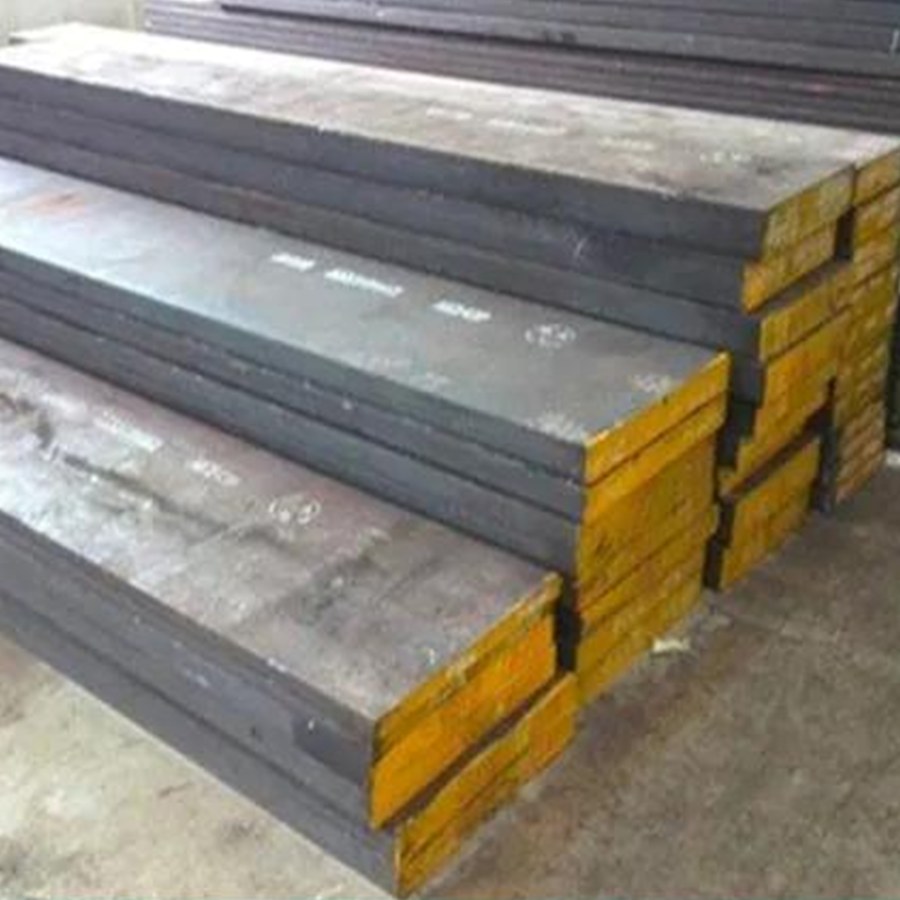
We supply AISI 1.2201 in various custom sizes
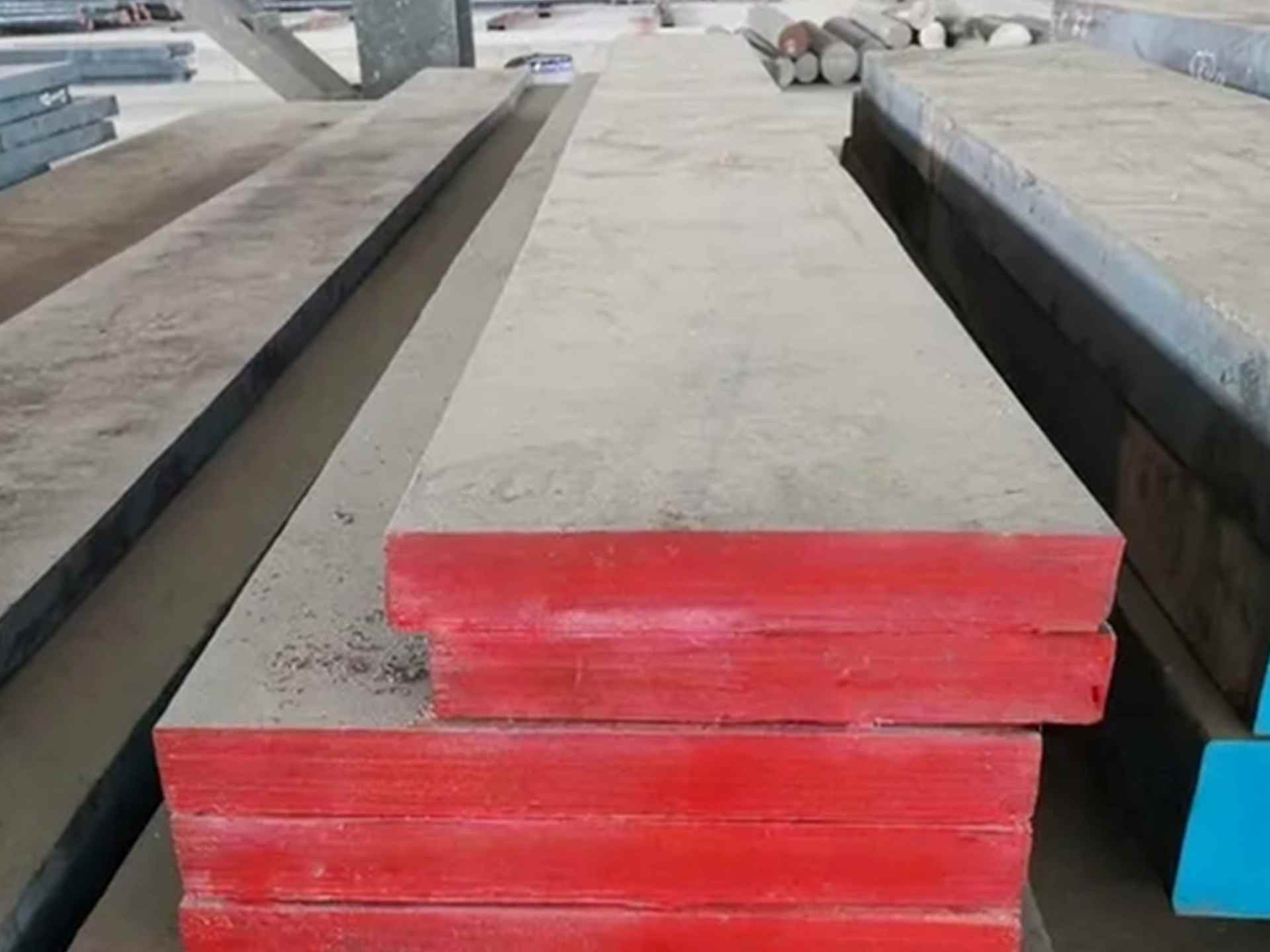
flat size range
- Thickness: 6-100 mm
- Width: 40-610 mm
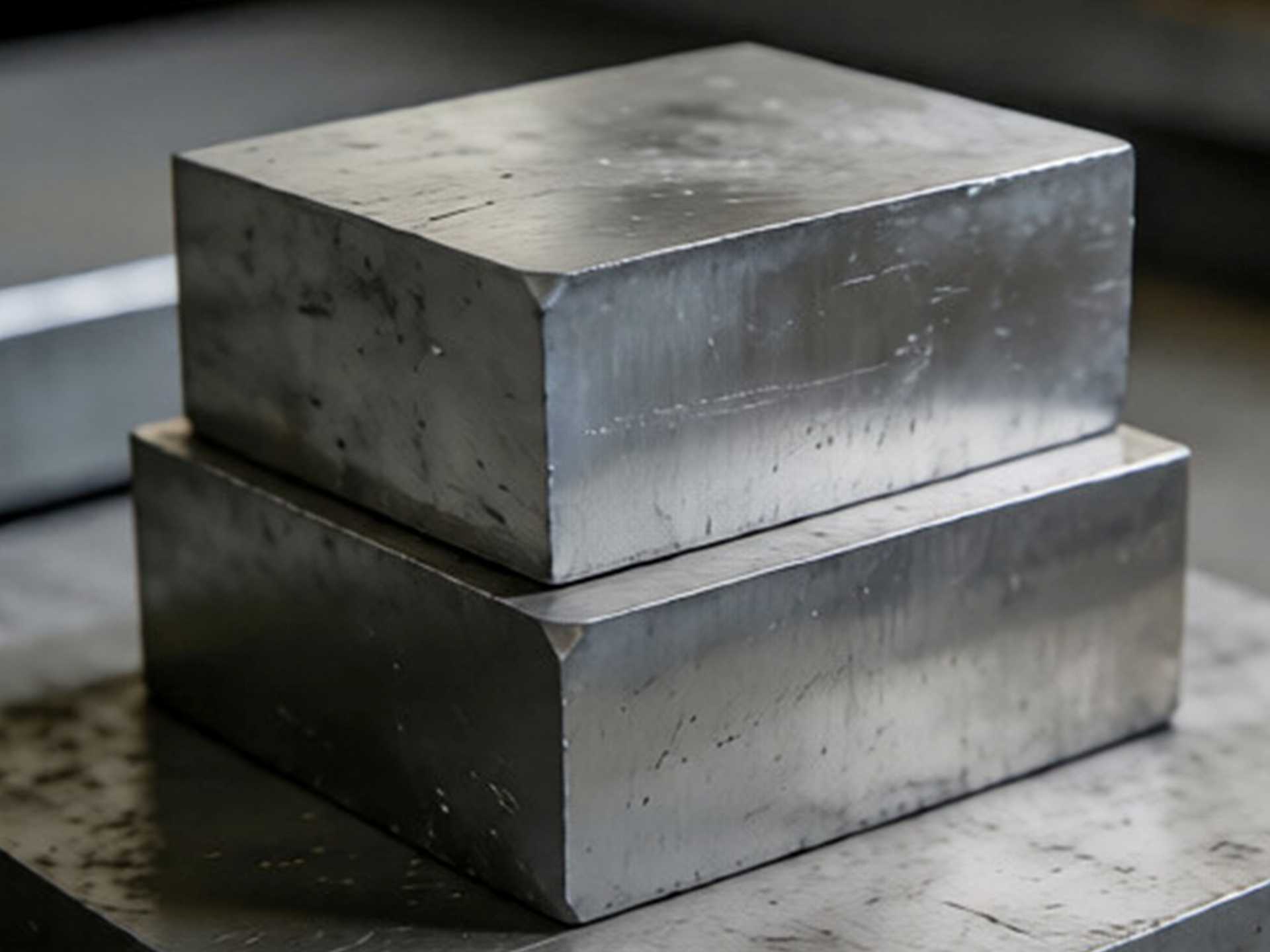
block size range
- Thickness: 100-400 mm
- Width: 200-810 mm
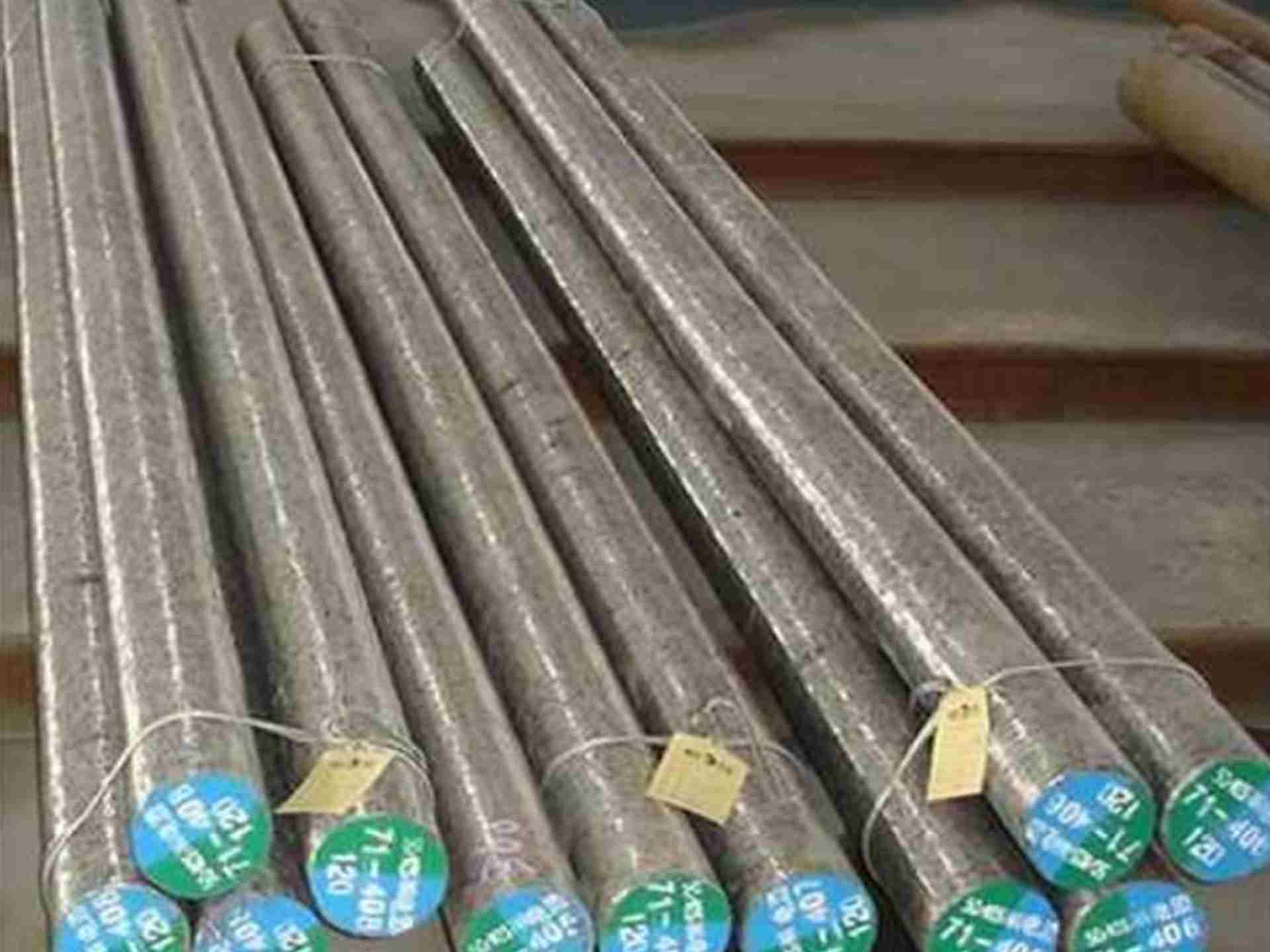
round size range
- Diameter: φ10-400 mm
Chemical Composition (%)
Grade | C | Si | Mn | Cr | V | P (≤) | S (≤) |
1.2201 (X165CrV12) | 1.60–1.80 | 0.15–0.30 | 0.20–0.40 | 11.0–12.5 | 0.30–0.50 | 0.030 | 0.030 |
Main characteristics of 1.2201 tool steel
- Excellent wear resistance – longer tool and die life
- High hardness – improved resistance to deformation
- Good toughness – withstands impact and heavy loads
- Dimensional stability – maintains precision in gauges and dies
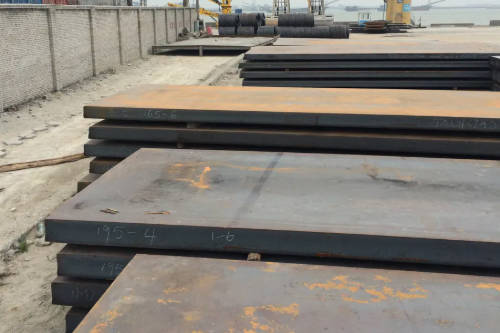
1.2201 tool steel applications
1.2201 steel for Cold Blanking Die
Good hardenability and balanced wear resistance enable 1.2201 to deliver consistent cutting performance in blanking and punching of medium-gauge sheet metal.
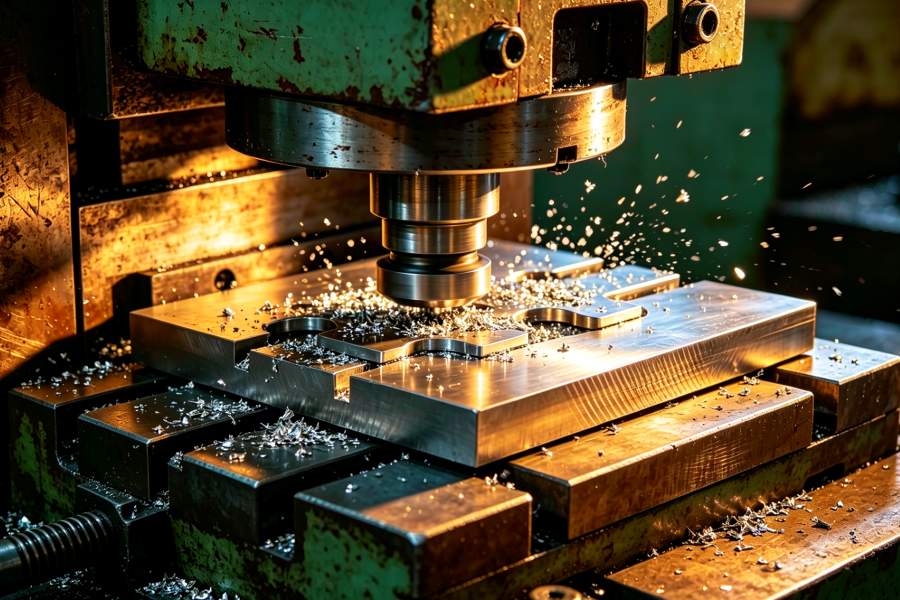
1.2201 steel for Cold Drawing Die
Low distortion after oil quenching and high attainable hardness ensure dimensional accuracy and anti-galling properties in cold drawing of small to medium components.
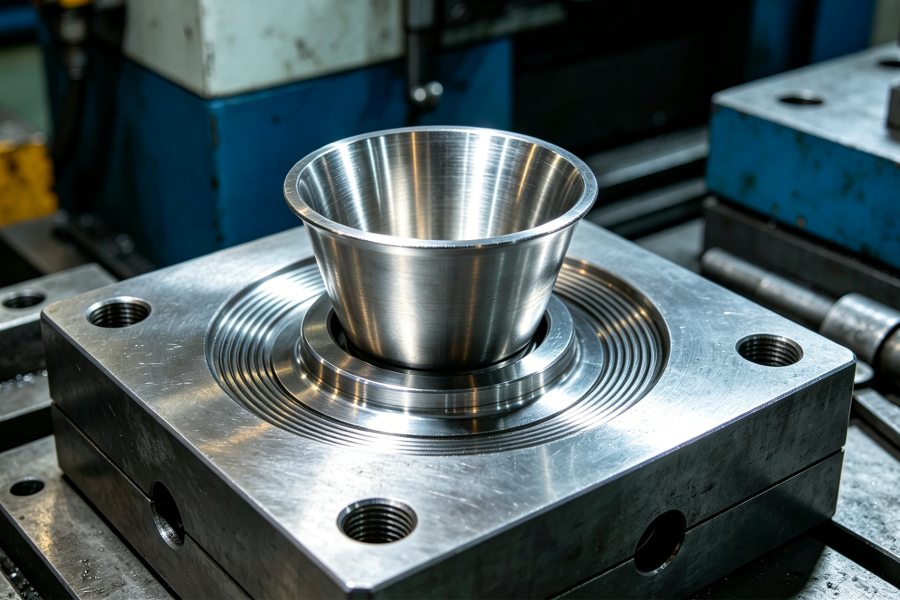
1.2201 steel for Precision Gauge
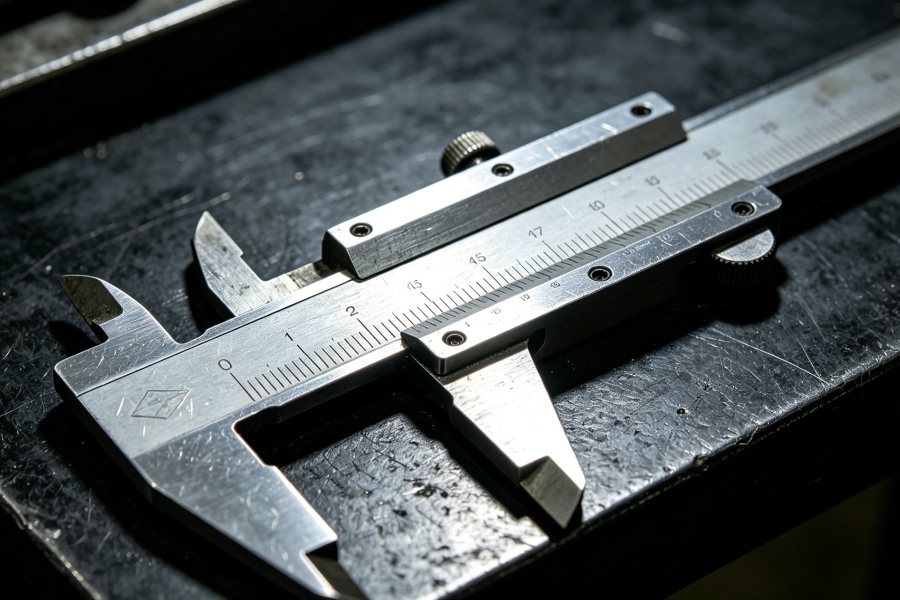
Excellent wear resistance combined with minimal heat treatment deformation makes 1.2201 ideal for gauges and measuring instruments requiring lasting precision.
Our Production Technology For 1.2201 (X165CrV12 / NC10) Cold Work Tool Steel
- EAF
- LF
- VD
- Forged or Hot Rolled
- Spheroidizing Annealed
- Machined surface / Peeled
- Ultrasonic testing (UT) 100% as per SEP 1921, ASTM A388, or EN 10228-3 (upon request)
- Micro Cleanliness as per ASTM E45 or DIN 50602
- Spheroidized microstructure as per relevant tool steel standards
- Macrostructure, microstructure, grain size, and mechanical properties shall meet the standards specified in GB/T 1299-2025 for Tool and Die Steels
- Delivery condition: Soft annealed, hardness max. 235–255 HB
mechanical properties & heat treatment of 1.2201 steel
| Heat temperature | Start forging temperature | Finish forging temperature | Cooling method |
| 1050–1080 °C | 1050–1000 °C | ≥850 °C | Pit, sand, or furnace cooling |
Annealing
- Heat slowly to 820 – 860°C (820–850°C per SIJ, 820–880°C per Akrostal)
- Hold for sufficient time to ensure uniform temperature throughout the section
- Cool slowly in the furnace at a controlled rate (max. 10–20°C/h, or 10°C/h per Virgamet) down to approximately 600°C
- Then air cool to room temperature
- Hardness after annealing: max. 235 – 255 HB (≈ 22–26 HRC)
Hardening
- Preheating (recommended): Preheat slowly to 600 – 650°C to avoid thermal shock
- Austenitizing temperature: 960 – 1000°C.Akrostal recommends 980–1000°C.SIJ recommends 960–980°C followed by oil quenching.Virgamet recommends 960–1000°C.Alternative: 950–1000°C oil quench per Cr12MoV practices
- Holding time: After temperature equalization, hold for 15–30 minutes (depending on section thickness)
- Quenching media:Oil (preferred) — quench immediately after holdingWarm bath at 350 – 400°COil quenching from 980–1000°C is the most common practice
- Hardness after quenching: approx. 63 – 65 HRC.Akrostal reports 63.5 HRC when quenched from 960°C in oil. SIJ reports approx. 63 HRC.Virgamet reports min. 60 HRC. Chinese Cr12MoV standard: 60–65 HRC
Stress relieving
- Perform after rough machining or heavy stock removal to reduce the risk of distortion during final heat treatment
- Heat carefully to 600 – 700°C (approx. 650°C per SIJ)
- Hold at temperature for 1 – 2 hours (or 2 hours per 25mm section thickness)
- Furnace cool to approx. 500°C (or per Virgamet: to 500°C then air cool), or cool in still air
- This operation is performed to reduce distortion during hardening
Tempering
- Temper immediately after the workpiece cools to hand-warm temperature (approx. 50–70°C). Avoid delaying tempering
- Number of tempers: Minimum 2 times. Double tempering is recommended to ensure complete transformation and property stability
- Holding time: Soak for 1 hour per 20mm of section thickness (minimum 2 hours per cycle). Air cool after each tempering cycle
- Primary tempering temperature range: 150 – 550°C (single point per Virgamet; broader range 270–450°C per Akrostal)
- For maximum hardness applications: Temper at 150 – 250°C (approx. 59–64 HRC)
- For secondary applications: Higher tempering temperatures (400–550°C) reduce hardness while increasing toughness
Why Choose NSPM as Your 1.2201 Tool Steel Supplier
Source Direct
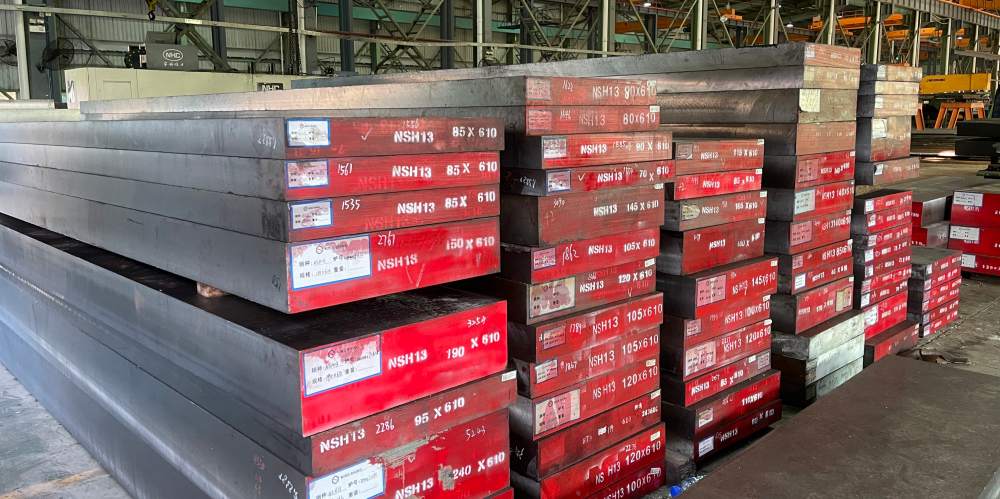
Direct mill cooperation ensures stable supply, competitive pricing, and consistent quality. Global resource integration and strong supply chain management guarantee reliable material sourcing and long-term availability.
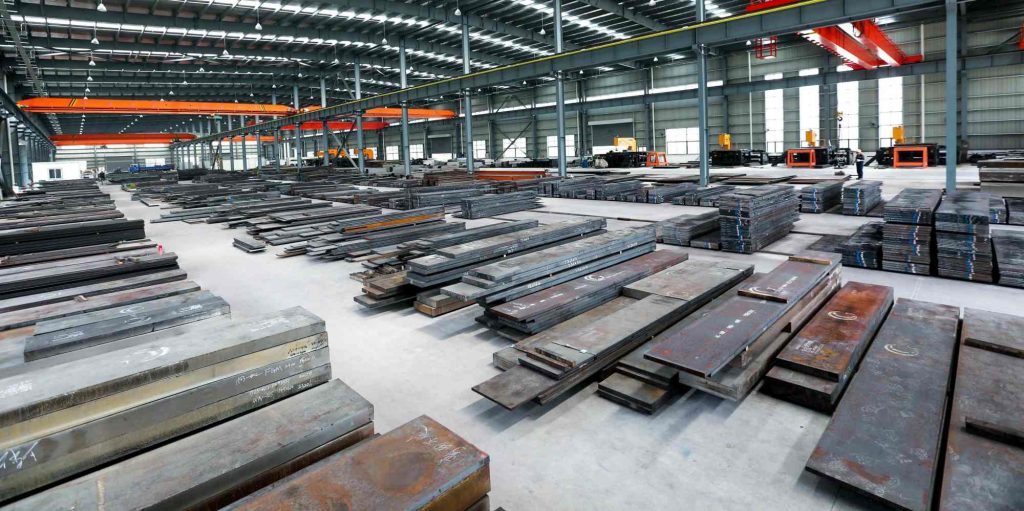
Stock Ready
50,000+ tons inventory across 11 warehouses enables fast delivery. Flexible cutting, short lead times, and ready stock support urgent demands and improve customers’ production efficiency.
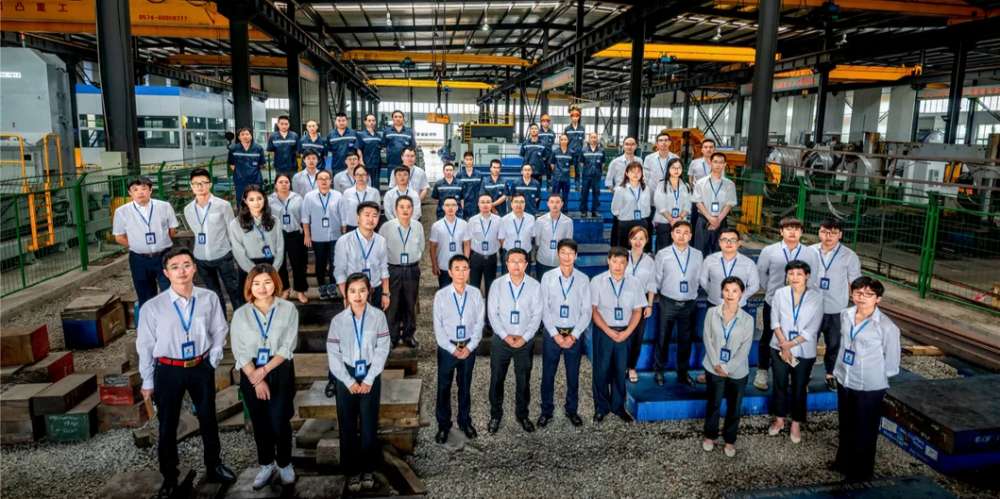
Expert Team
600+ professionals, including R&D specialists and technical engineers, provide application-driven support. Fast response and deep tooling knowledge ensure accurate solutions for diverse industrial needs.
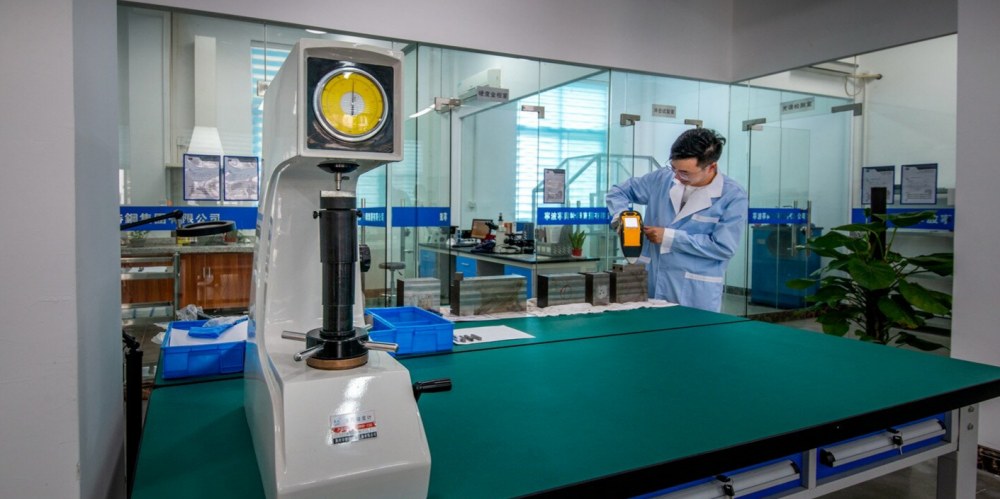
Fully Inspected
Strict quality control system with full traceability, UT testing, and heat treatment records. Certified standards (ISO, CE) ensure every material meets high-performance and reliability requirements.
Full-Chain Machining
From steel supply to precision machining, heat treatment, and equipment manufacturing, NSPM offers integrated solutions that enhance accuracy, efficiency, and overall tooling performance.