Die Casting Mould Base
Die casting mould base features superior rigidity and stable dimensional accuracy, widely applied to die casting tools for engine blocks, transmission housings, 5G base station and motor housings.
- Standard: Custom design per customer drawings. Built to withstand high clamping forces and thermal cycling
- Technique: Fabricated from hot-rolled or forged plates. Stress-relief annealed after welding, rough machined, precision ground. T-slots, cooling lines, ejector holes machined per drawing
- Shape: Rectangular assembly. Custom design per customer drawings.
- Heat treatment: Stress-relief annealed for entire welded structure. Guide pillars and bushings induction hardened to 52–58 HRC. Surface hardening for clamping areas available
- Surface Treatment: Top face precision ground (Ra ≤0.8 μm). Bottom face milled or ground. Anti-corrosion oil coating for shipment
- Tolerance: Flatness: 0.02 mm/1000 mm. Parallelism: 0.03 mm/1000 mm. T-slot pitch: ±0.05 mm. Pin & bushing concentricity ≤0.02 mm
- MOQ: 1 set (per drawing).
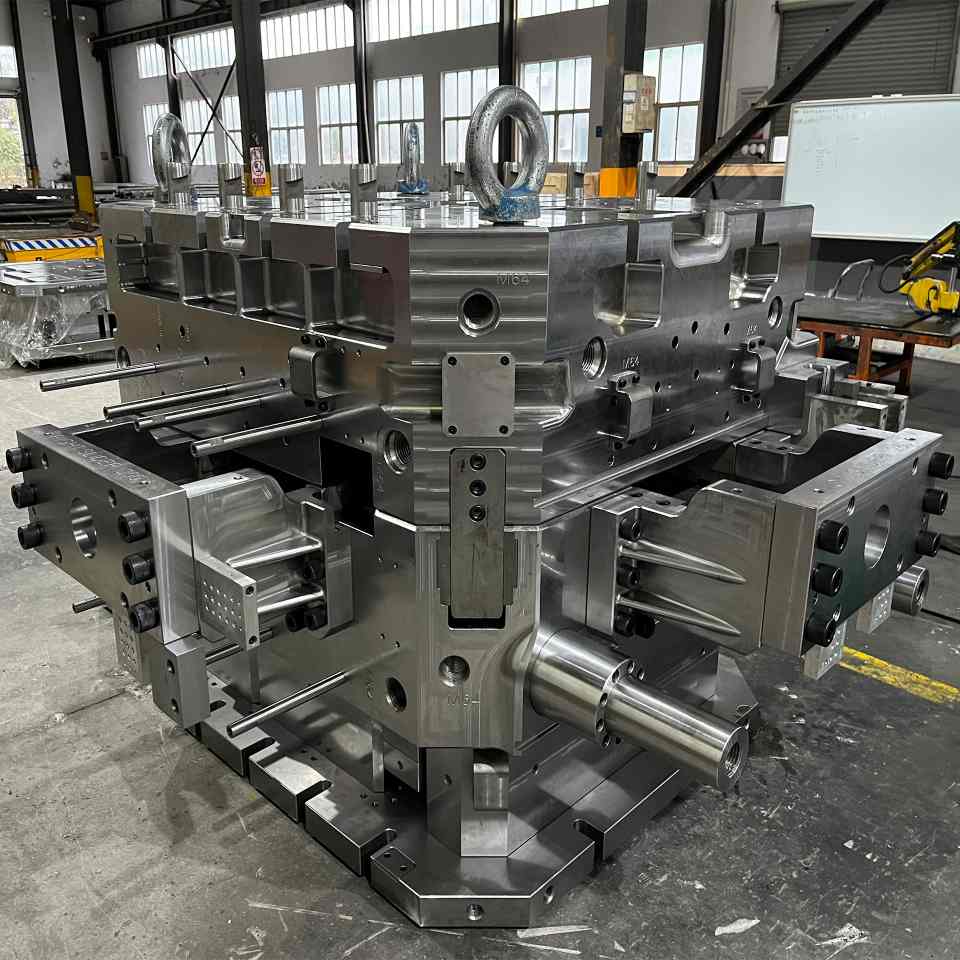
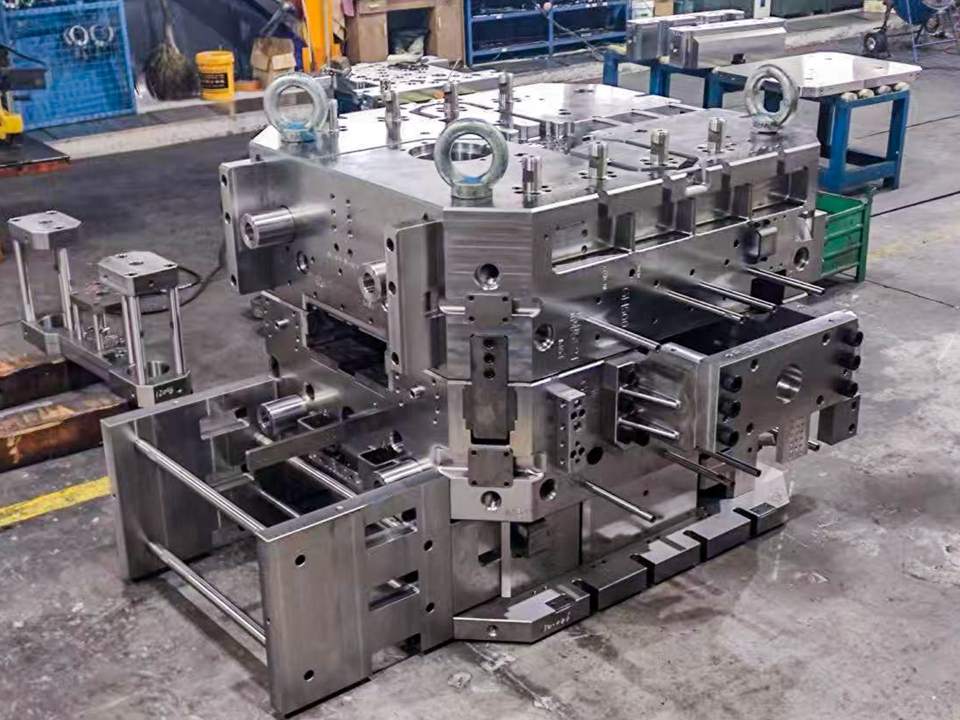
We supply Die Casting Mould Base in various custom sizes
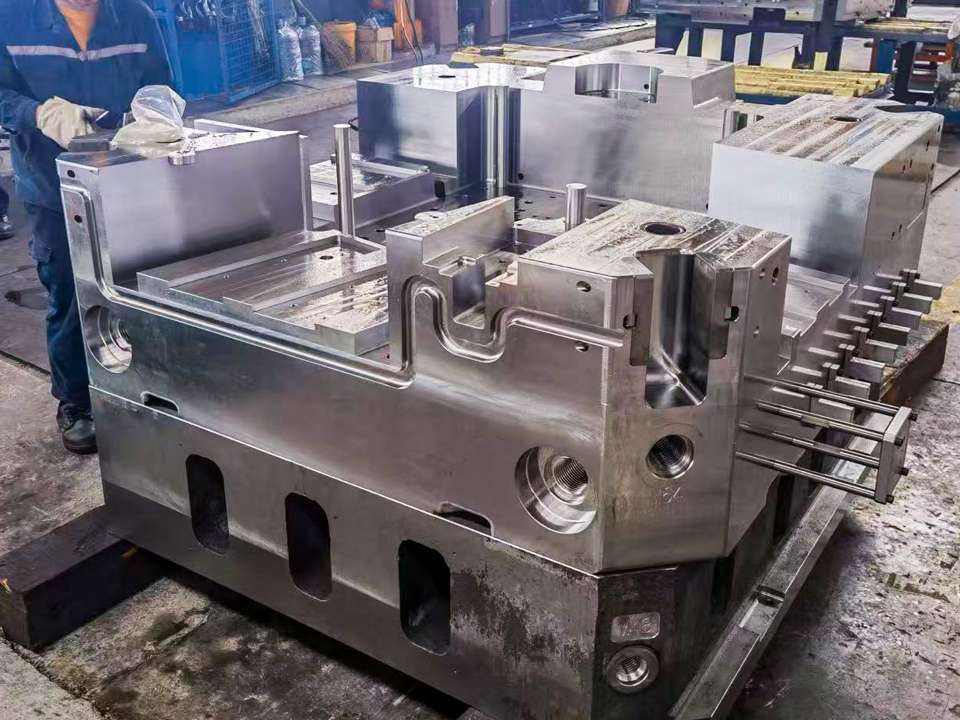
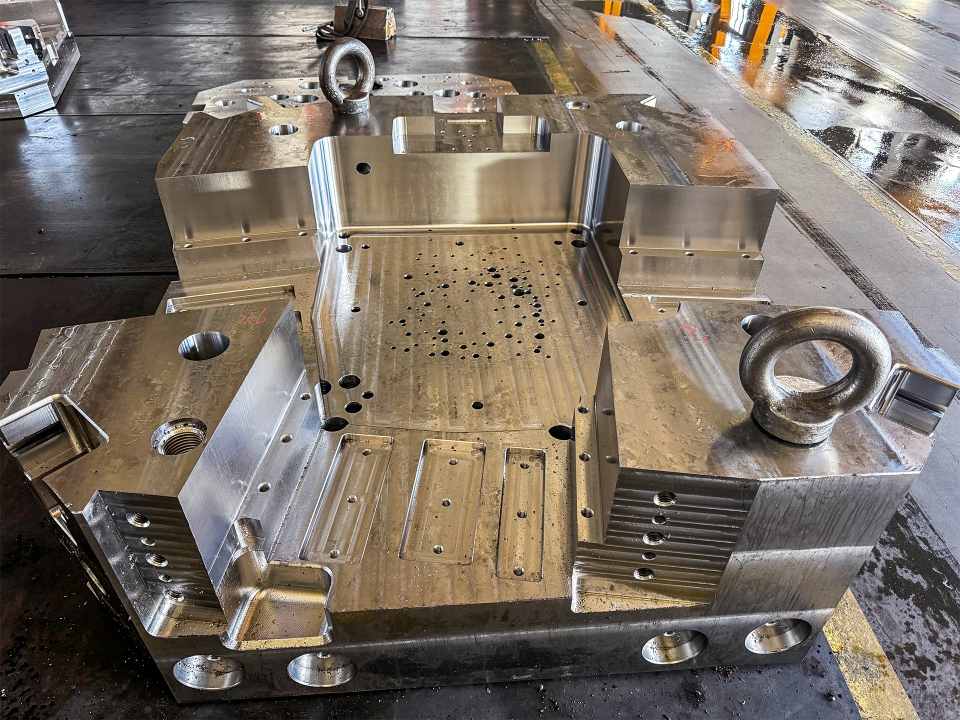
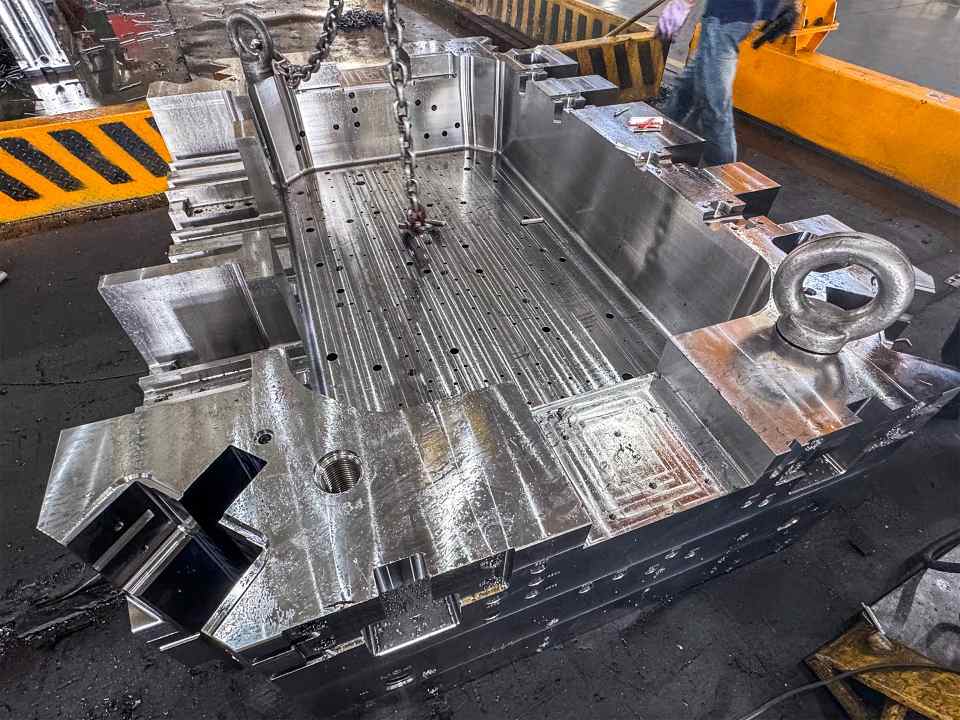
Core Quality Inspection
Inspection Item | Standard / Method | Acceptance Criteria / Typical Value | Description |
Ultrasonic Testing (UT) | ASTM A578 / EN 10160 | Class B; No discontinuity ≥ 2 mm | 100% internal flaw detection of critical plates to prevent sudden cracking under high clamping pressure. |
Flatness & Parallelism | DIN 876 / CMM | Flatness: 0.02 mm / 1000 mm; Parallelism: 0.03 mm / 1000 mm | Precision-ground parting faces guarantee perfect die alignment, eliminating flash and extending die life. |
Pin & Bushing Concentricity | CMM / Dial Gauge | Concentricity ≤ 0.02 mm | Verified alignment of leader pins ensures smooth movement under thermal expansion, preventing binding and downtime. |
Cooling Line Pressure Test | Hydrostatic Test | 15–20 bar, 30 min; Zero pressure drop | Leak-free confirmation of all water/oil circuits ensures consistent thermal balance and part quality. |
3D Dimensional Accuracy | CMM / Laser Tracker | T-slot pitch: ±0.05 mm; Overall: per drawing | Full geometric verification of all mounting, clamping, and ejection features to ensure a perfect fit. |
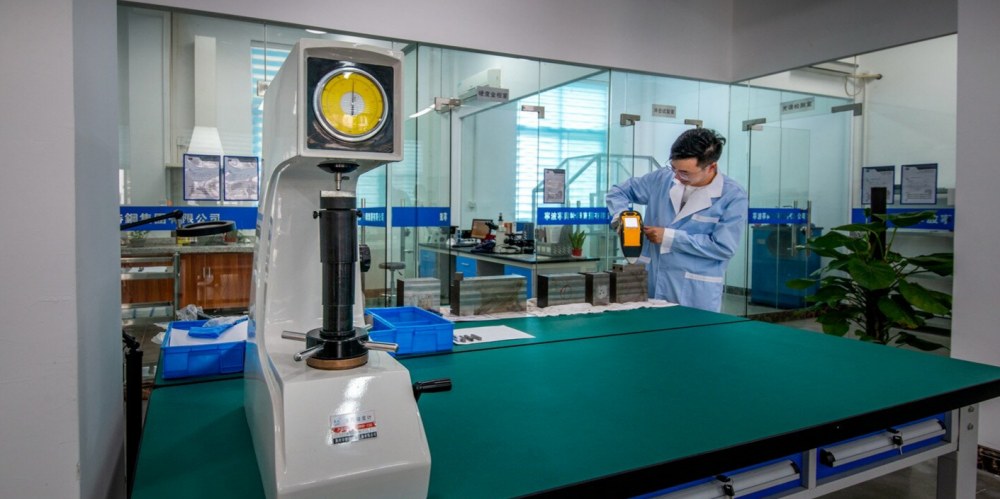
Note: In addition to the above core inspections, NingShing also performs comprehensive quality checks including material certification (EN 10204 Type 3.1), hardness testing (ASTM E18), surface finish measurement (ISO 4287), ejector plate parallelism, clamp slot verification, and full assembly fitment tests. Every mould base is delivered with a complete inspection report, ensuring total quality traceability.
Main characteristics of Die Casting Mould Base
- High structural rigidity – resists heavy clamping force with minimal deflection
- Strict dimensional accuracy – ensures precise mold alignment and prevents flash
- Good machinability – supports accurate fitting of cavity inserts and cores
- Stable thermal performance – maintains dimensional precision under continuous heat cycles
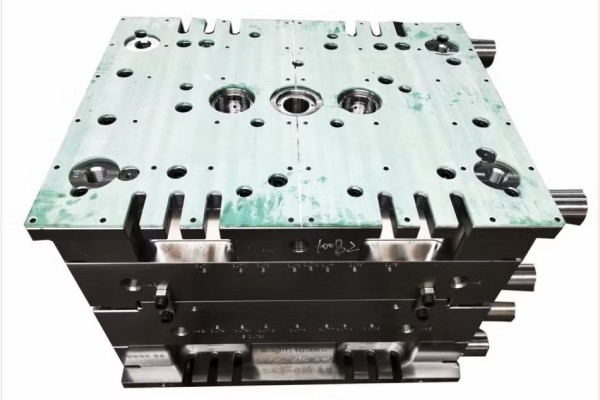
Die Casting Mould Base applications
Automotive Engine Block Die Casting Mould Base
Rigid mould base design withstands extreme thermal cycling and high clamping forces, ensuring precise core alignment and leak-free, high-volume engine block production.
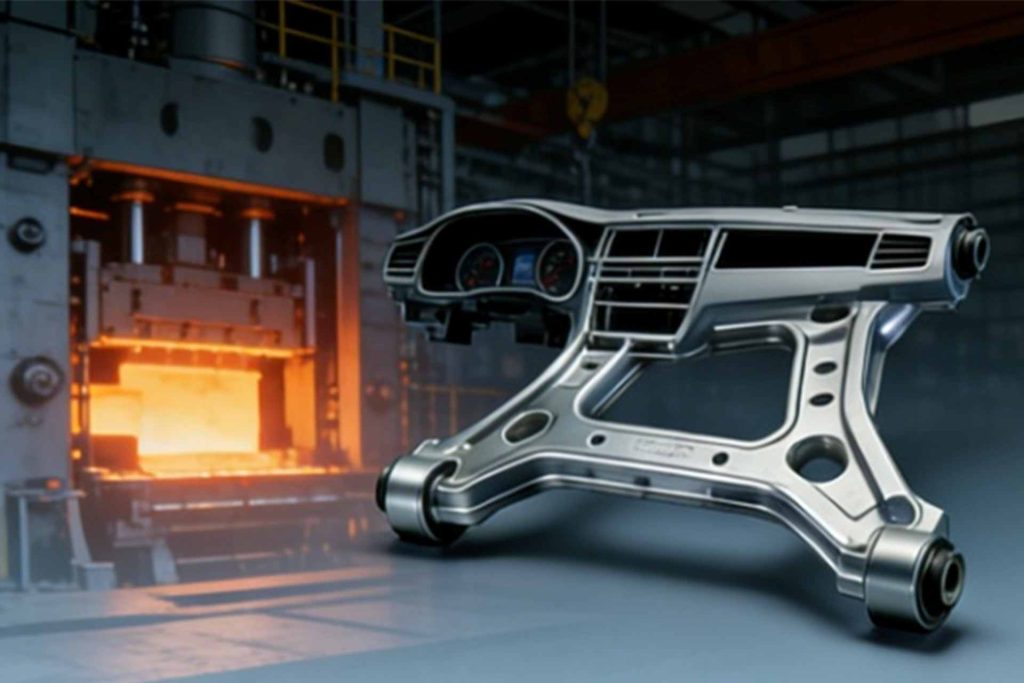
Transmission Housing Die Casting Mould Base
Stable clamping and efficient cooling enable the mould base to maintain tight dimensional tolerances and extended service life under intense injection pressures.
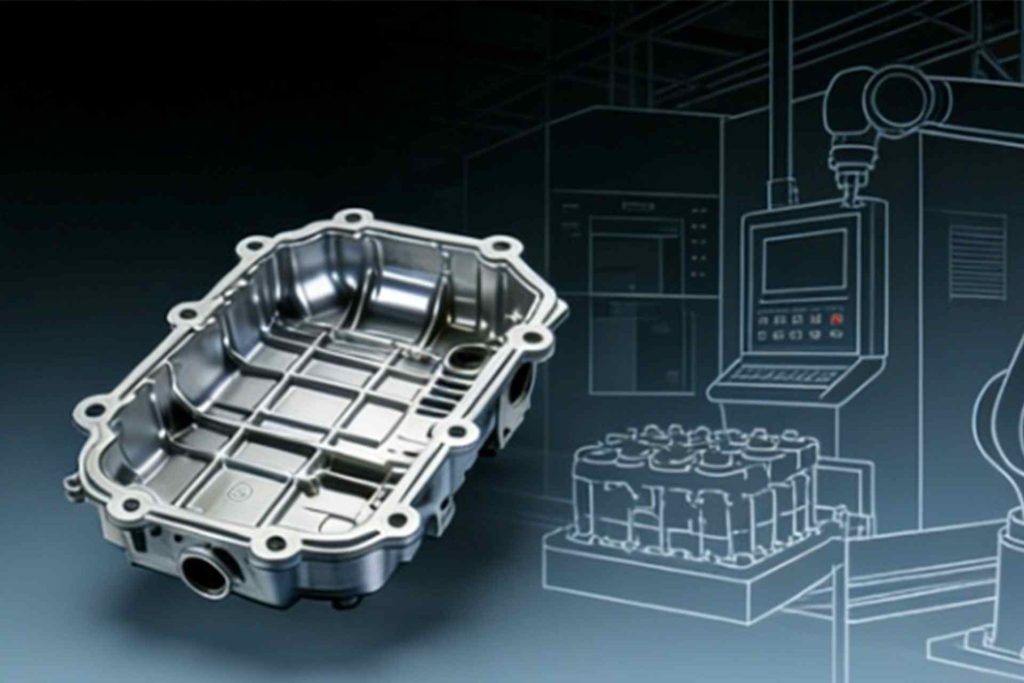
5G Base Station Housing Die Casting Mould Base
Precision-ground flatness and optimized thermal management deliver the reliability and tight tolerances demanded by high-volume, thin-wall electronic housing casting.

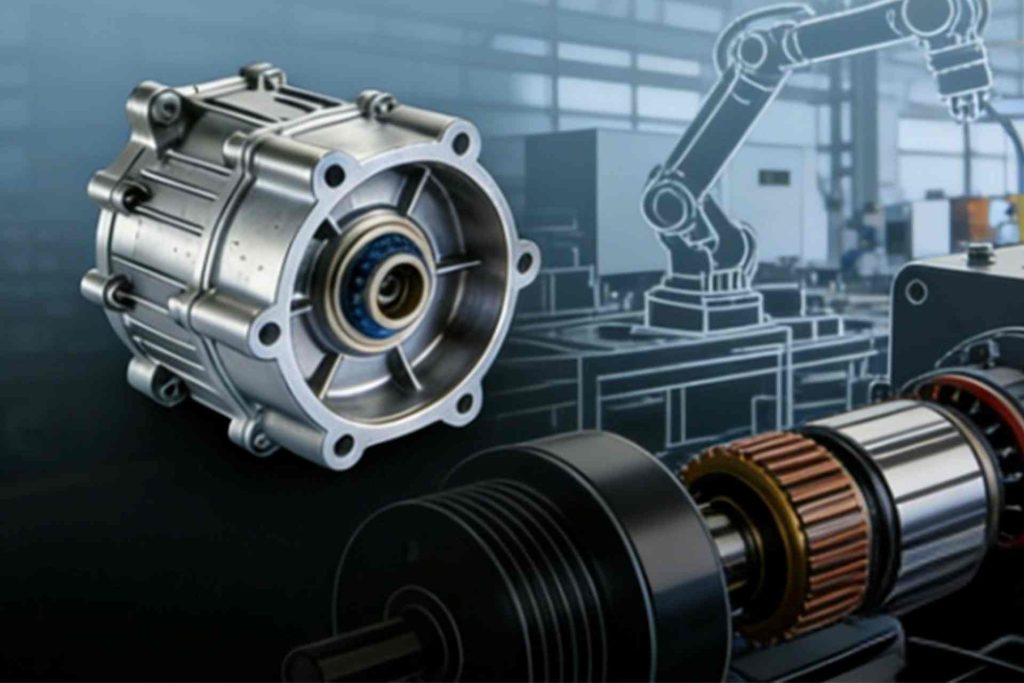
Motor Housing Die Casting Mould Base
Deep cavity rigidity and balanced cooling support durable, high-strength motor housing production, ensuring consistent quality for EV and industrial applications.
Our Production Technology For Die Casting Mould Base
Parameter | Specification |
Material options | 1.2344/H13, 1.2343/H11, 1.2367, TQ1, USN (1.2343ESR), USD (1.2344ESR), HP1, CR7V-L |
Heat treatment | High-pressure vacuum quenching + multiple tempering (up to 3 cycles) to achieve 44–52 HRC |
Surface treatment | NSBP surface treatment, nitriding (650–850 HV), oxidation, PVD/CVD coating |
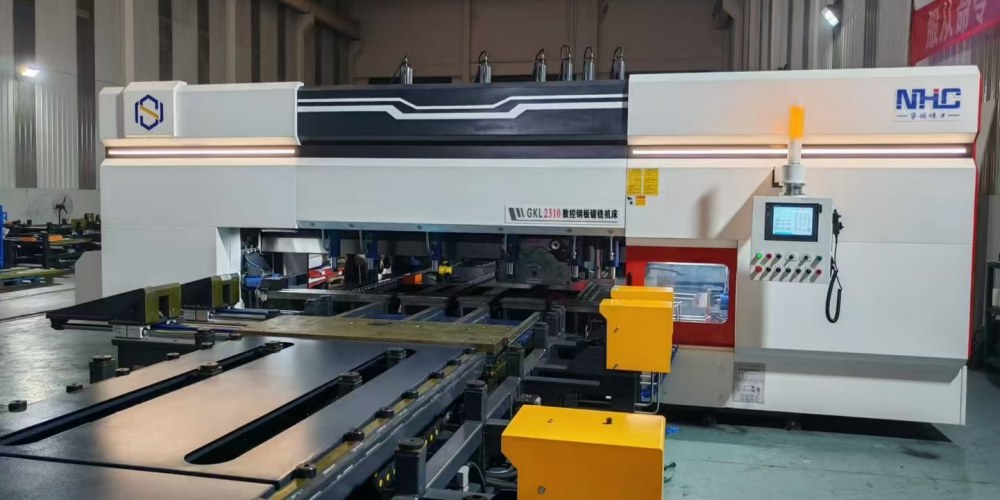
Machining equipment | 5-axis & 3-axis CNC machining centers, deep hole drilling (max 2000 mm) |
Tolerance | ±0.02 mm max |
Quality control | CMM inspection, MES production traceability, ERP material management |
mechanical properties & heat treatment of Die Casting Mould Base
| Heat temperature | Start forging temperature | Finish forging temperature | Cooling method |
| 1120–1150 °C | 1050–1100 °C | 900–850 °C | Pit or sand cooling |
Annealing
- 750 to 800°C (1382 to 1472°F)
- Slow controlled cooling in furnace at 10–20°C/h (50–68°F/h) down to approx. 600°C (1112°F), then air cool
- Hardness after annealing: max. 235 HB
Hardening
- 1020 to 1050°C (1868 to 1922°F) – NADCA recommended range for mould bases
- Oil, salt bath (500–550°C / 932–1022°F), or high-pressure gas quench
- Holding time after temperature equalization: 15–30 minutes
- Hardness after quenching: 52–56 HRC (oil or salt bath), 50–54 HRC (air)
Stress relieving
- 600 to 650°C (1112 to 1202°F)
- Slow heating in neutral atmosphere; hold 1–2 hours after through heating
- Intended to relieve stresses from machining and ensure uniform heating before hardening
Tempering
- Heat immediately after quenching to hand-warm temperature (50–70°C)
- Holding time: 1 hour per 20 mm of thickness, minimum 2 hours; air cool
- Minimum 2 tempering cycles; a third cycle for stress relief is recommended
- 1st temper: approx. 30°C above the secondary hardening peak (typically 580–600°C)
- 2nd temper: adjust to desired working hardness (target 44–48 HRC for mould bases)
- 3rd temper (optional): 30–50°C below the highest tempering temperature for stress relief
- Final hardness after tempering: 44–52 HRC (NADCA recommends 46–48 HRC for optimum toughness)
Why Choose NSPM as Your Die Casting Mould Base Supplier
Source Direct
Direct mill cooperation ensures stable supply, competitive pricing, and consistent quality. Global resource integration and strong supply chain management guarantee reliable material sourcing and long-term availability.
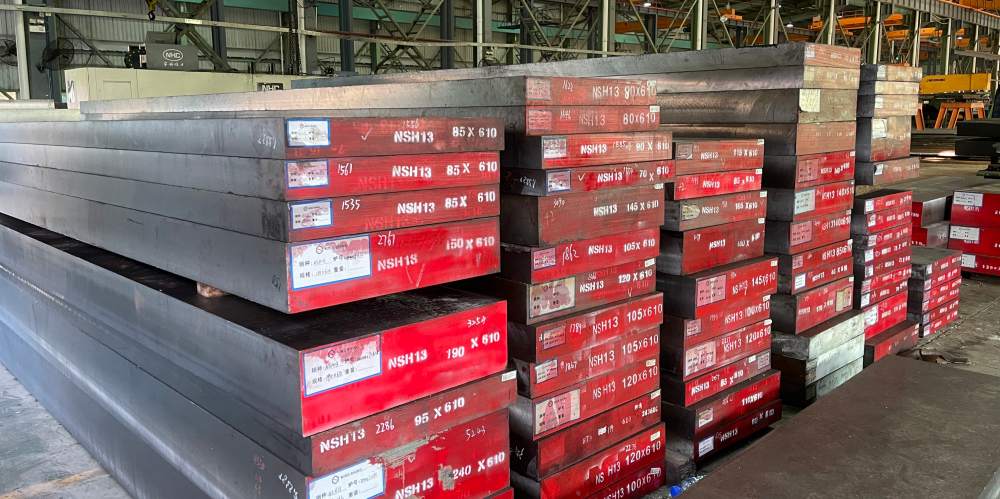
Stock Ready
50,000+ tons inventory across 11 warehouses enables fast delivery. Flexible cutting, short lead times, and ready stock support urgent demands and improve customers’ production efficiency.
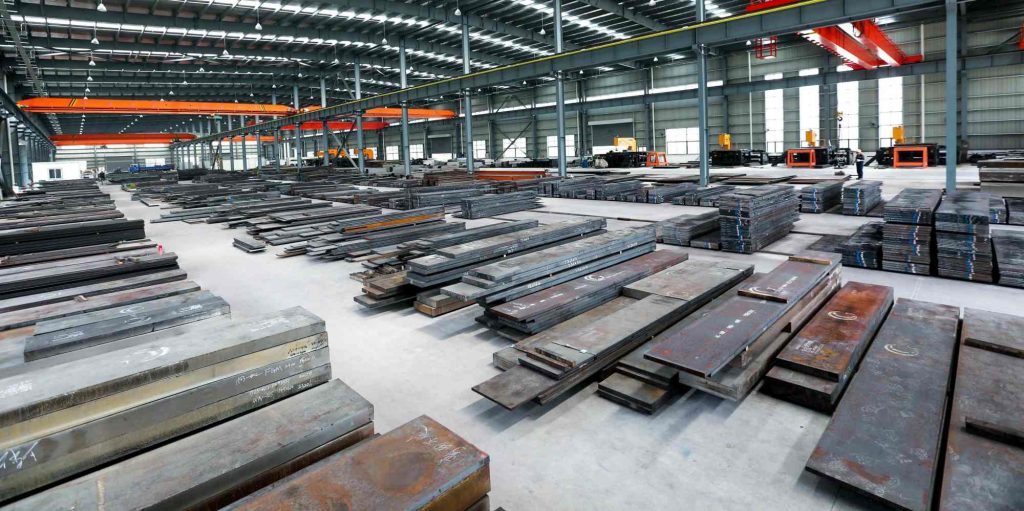
Expert Team
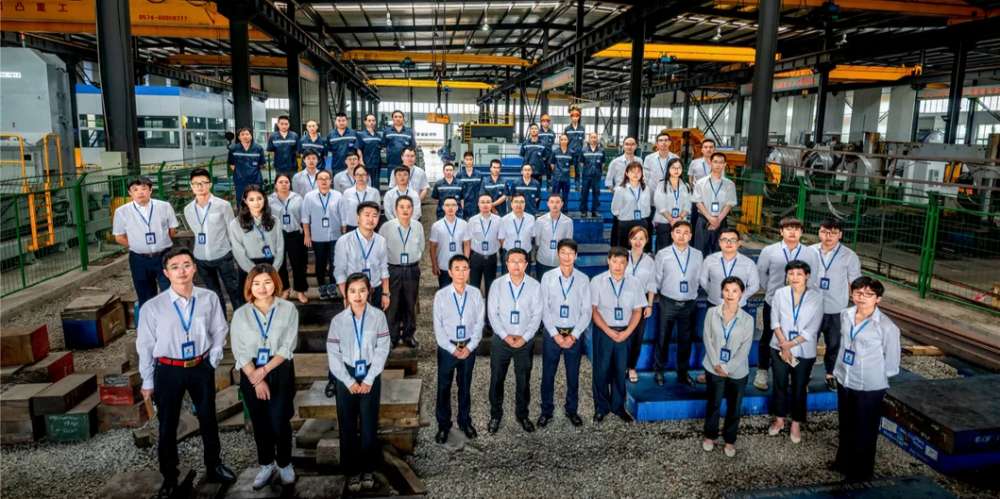
600+ professionals, including R&D specialists and technical engineers, provide application-driven support. Fast response and deep tooling knowledge ensure accurate solutions for diverse industrial needs.
Fully Inspected
Strict quality control system with full traceability, UT testing, and heat treatment records. Certified standards (ISO, CE) ensure every material meets high-performance and reliability requirements.
Full-Chain Machining
From steel supply to precision machining, heat treatment, and equipment manufacturing, NSPM offers integrated solutions that enhance accuracy, efficiency, and overall tooling performance.