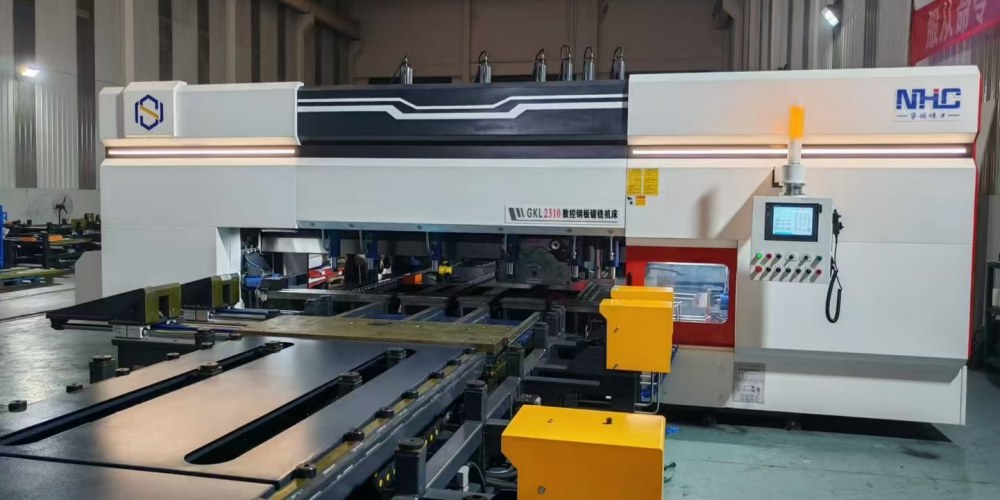
Injection Mould
Injection mould boasts high dimensional accuracy, excellent surface finish and long service life, widely applied to manufacturing automotive headlamp lenses, medical syringes, high-gloss phone cases and transparent food containers.
- Standard: Built to part drawing and SPI/ customer mold standards
- Technique: ESR steel for high polish. CNC machining from 3D model. High-speed hard milling for hardened inserts. EDM for fine details
- Shape: Single or multi-cavity layout. Hot runner or cold runner system integrated. Mold size fits specified injection machine
- Heat treatment: Cavity inserts heat treated to 48–58 HRC depending on material. Pre-hardened steels used at 28–34 HRC for low-cycle molds. Tempering for stress relief
- Surface Treatment: Cavity tolerance: ±0.01 mm/100 mm for critical fits. Parting line mismatch ≤0.02 mm. Ejector pin clearance H7/g6
- Tolerance: Flatness: 0.02 mm/1000 mm. Parallelism: 0.03 mm/1000 mm. Ejector plate stroke accuracy ±0.05 mm
- MOQ: 1 set
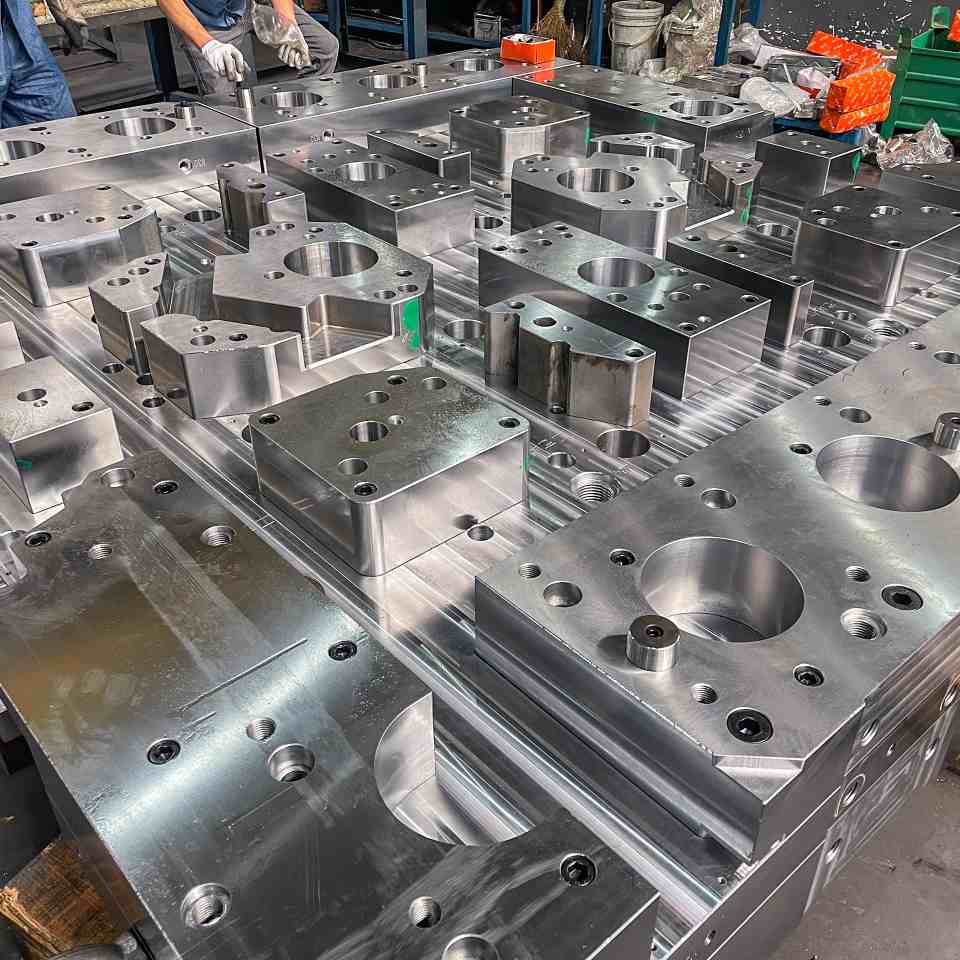
We supply Injection Mould in various custom sizes
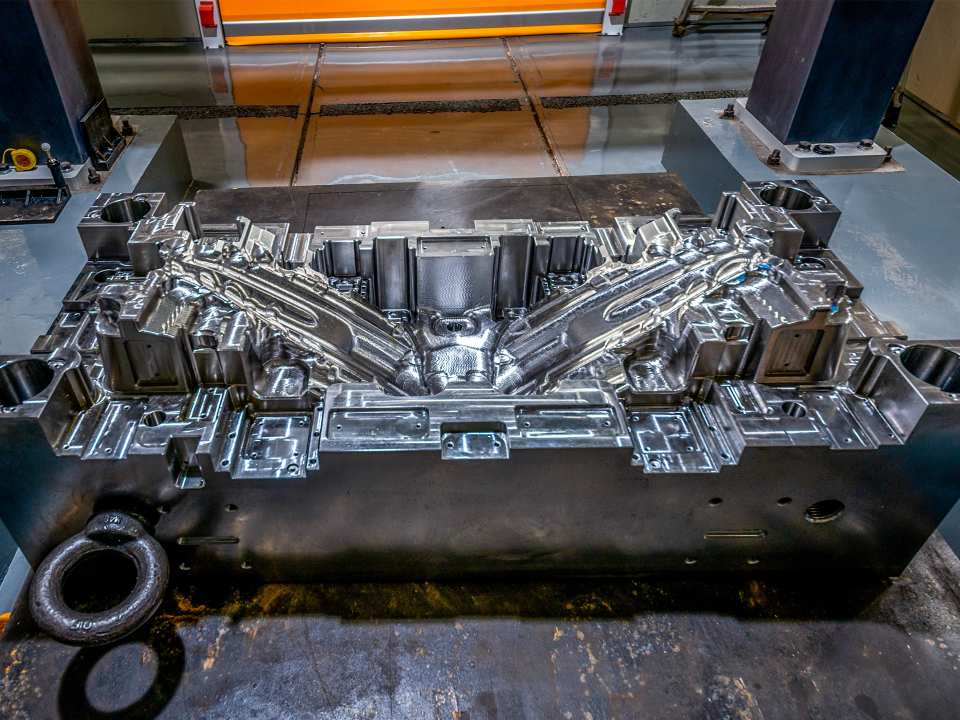
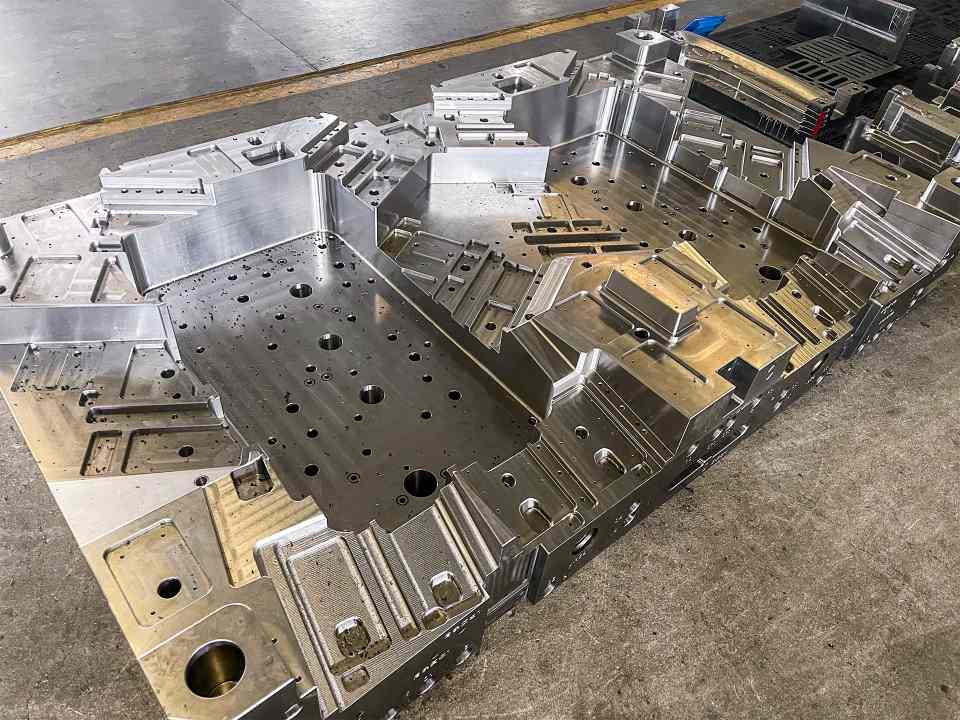
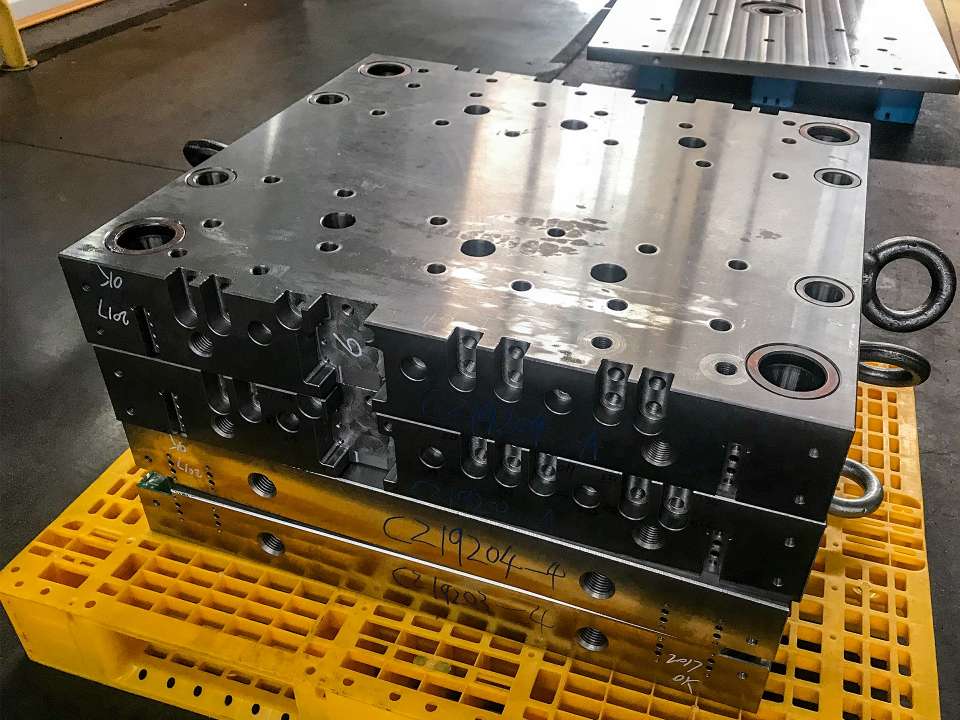
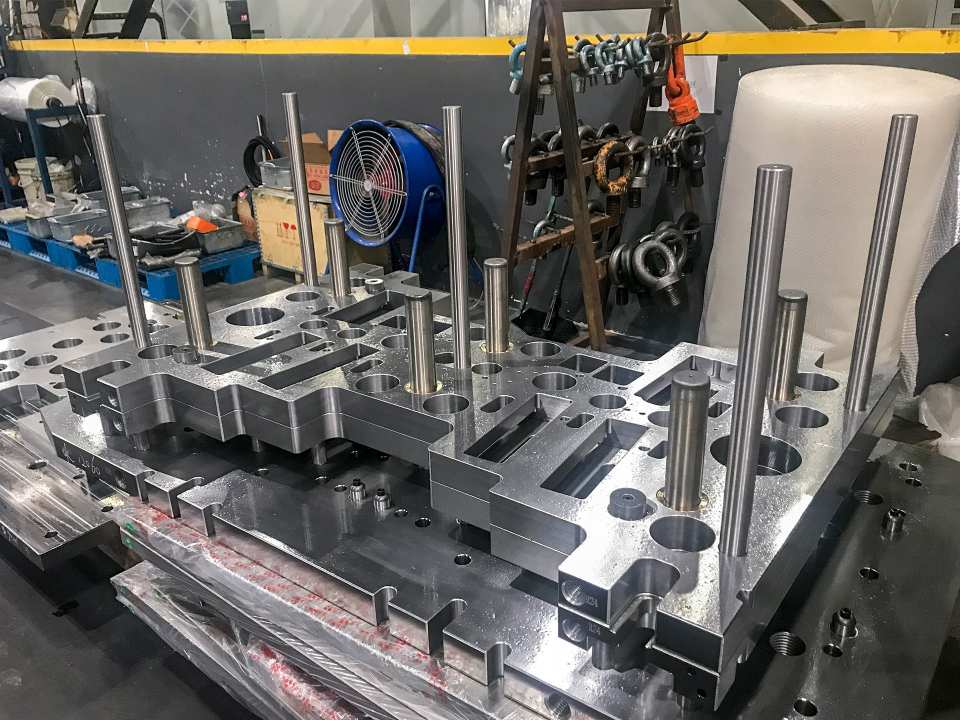
Core Quality Inspection
Inspection Item | Standard / Method | Acceptance Criteria / Typical Value | Description |
Cavity & Core Material Certification | EN 10204 Type 3.1 + ESR/VAR report | Certifies specified steel (e.g., 1.2738H, 1.2083, S136); Inclusion level per ASTM E45 | Traceable mill certs guarantee high-purity steel, ensuring optimal polishability, corrosion resistance, and freedom from pits or pinholes on the part surface. |
Mold Surface Polish & Texture | SPI-A1 to A3 / VDI 3400 / ISO 4287 | Designated finish per spec: Ra ≤0.025 μm for mirror (SPI A1); No orange peel or haze | Verified surface finish on cavity and core guarantees flawless appearance for high-gloss automotive and consumer electronics parts. |
Cavity Dimensional Accuracy | CMM / 3D Scanner | ±0.01 mm / 100 mm for critical fits; Parting line mismatch ≤0.02 mm | Full cavity, core, and insert geometry verified against 3D model to ensure as-molded dimensions meet tight part tolerances and prevent flash. |
Cooling Circuit Efficiency & Leak Test | Hydrostatic + Flow Meter | 10–15 bar water test, zero pressure drop; Flow rate per simulation | Balanced and leak-free cooling lines verified to maintain uniform mold temperature, minimizing part warpage and cycle time. |
Ejector System Function & Clearance | Dial Gauge / Manual Assembly | Ejector plate parallelism 0.05 mm; Pin clearance H7/g6; Smooth stroke without binding | Complete inspection of ejector plates, pins, and return mechanisms ensures reliable, jam-free part ejection without flash or surface marks. |
Note: In addition to the above core inspections, NingShing performs comprehensive quality checks including hot runner system continuity test, slide and lifter fit and function test, full multi-point hardness testing (ASTM E18), parting line and venting inspection, and complete mold try-out report with first-off part inspection. Every injection mould is delivered with full material certificates, heat treatment records, CMM reports, and a try-out sample, ensuring immediate production readiness and total process traceability.
Main characteristics of Injection Mould
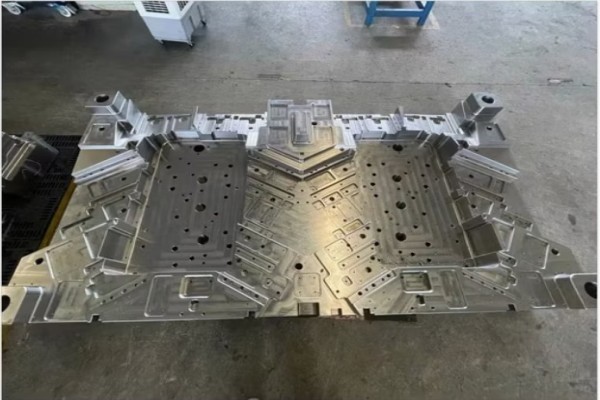
- High dimensional accuracy – delivers tight tolerances for complex parts
- Excellent wear resistance – ensures long service life in high-volume production
- Optimized cooling channels – shorten cycle time and improve part quality
- Precision ejection system – enables smooth and reliable demolding
Injection Mould applications
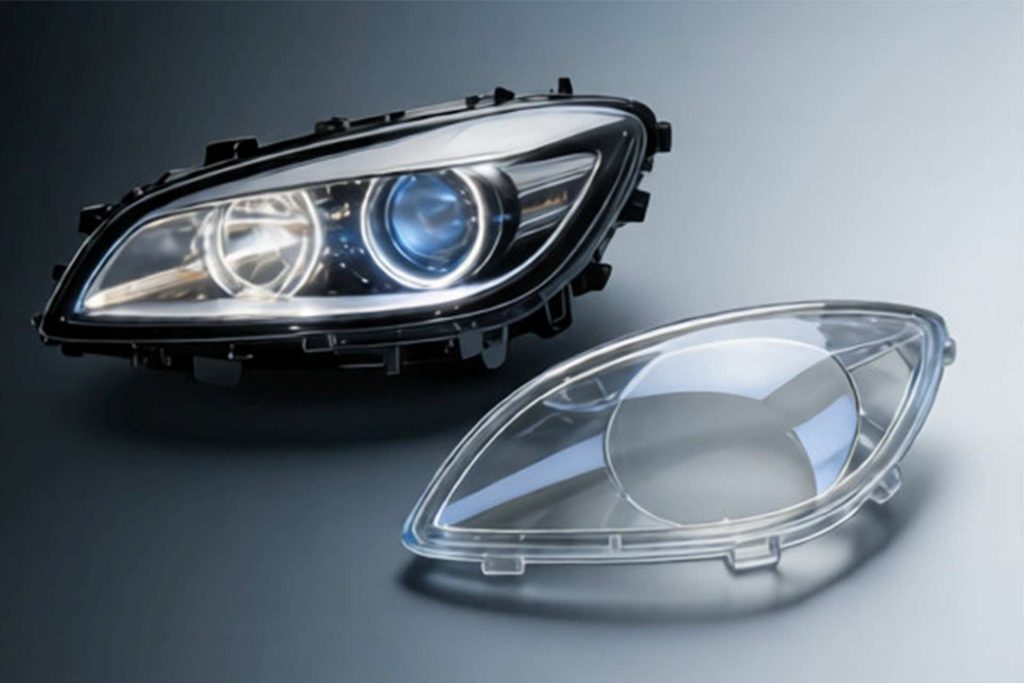
Automotive Headlamp Lens Mold & Part
Ultra-precision optical cavities with SPI A1 mirror finish and advanced conformal cooling ensure distortion-free, high-clarity lenses that meet strict light distribution standards.
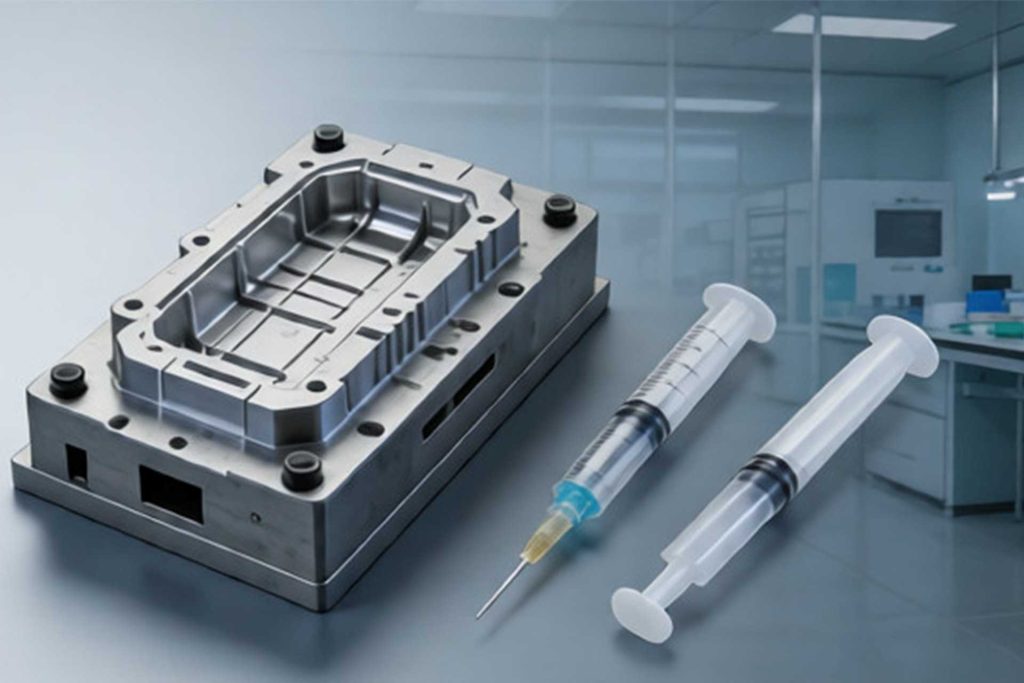
Medical Syringe Mold & Part
High-purity corrosion-resistant steel and micron-level core alignment produce clean, burr-free components with consistent wall thickness, ensuring full regulatory compliance.
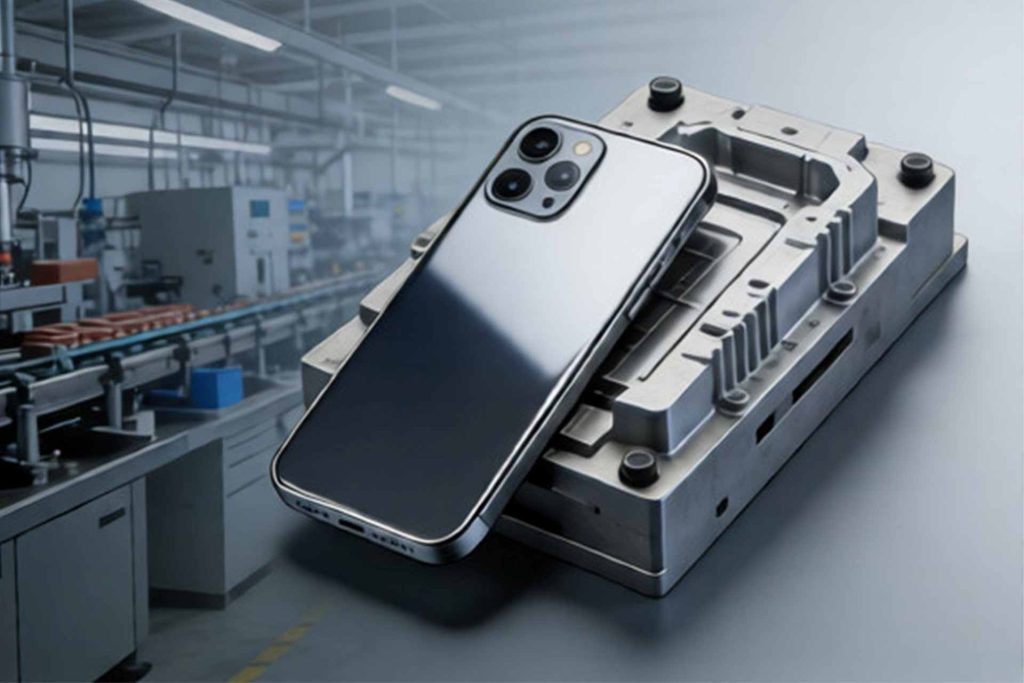
Phone Case Mold & High-Gloss Part
Exceptional polishability and tight dimensional control deliver ultra-sleek, scratch-resistant surfaces and precise assembly interfaces for premium smartphone designs.
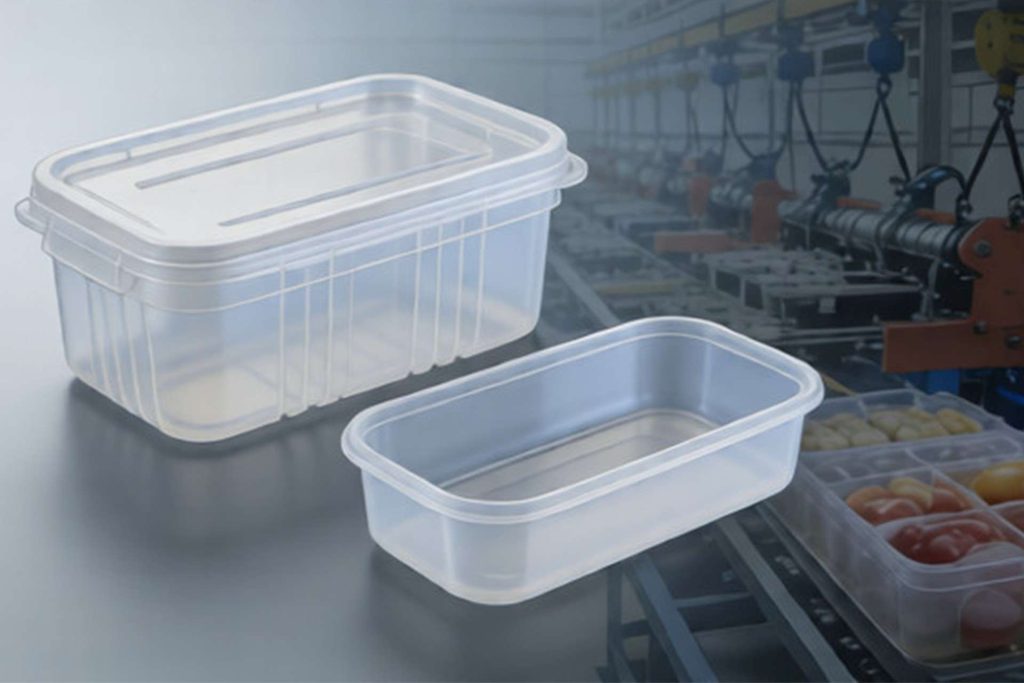
Food Box Mould & Transparent Food Container Parts
Food-grade compatible mold design and polished parting lines guarantee crystal-clear, odor-free containers with reliable sealing and smooth edges for safe consumer use.
Our Production Technology For Injection Mould
Parameter | Specification |
Material options | 1.2311/P20 (prehardened), 1.2738/718 (large moulds), NAK80 (mirror finish), 1.2083/S136 (corrosion-resistant), 1.2085 (free-machining) |
Heat treatment | Vacuum hardening (for non-prehardened grades); solution + aging for NAK80 |
Surface treatment | Nitriding, hard chrome plating, PVD coating, mirror polishing |
CAD/CAM capability | 3D programming using CAD, UG, Pro/E, Catia |
EDM capability | CNC wire EDM and sinker EDM for intricate cavity details |
Tolerance | ±0.02 mm max |
Distinctive Characteristics vs. Mould Base
- Direct plastic contact – Requires superior polishability and release properties
- Complex cavity geometry – Demands 5-axis machining and EDM capabilities
- Mirror finish capability – Critical for transparent and high-gloss parts
- Hot runner integration – Requires precision machining for runner systems
mechanical properties & heat treatment of Injection Mould
| Heat temperature | Start forging temperature | Finish forging temperature | Cooling method |
| 1050–1100 °C | 1000–1050 °C | 850–900 °C | Pit or sand cooling (if forged) |
Annealing
- 750 to 800°C (1382 to 1472°F)
- Slow controlled cooling in furnace at 10–20°C/h down to approx. 600°C, then air cool
- Hardness after annealing: max. 230–241 HB
Hardening
- 1000 to 1050°C (1832 to 1922°F) – preferred range: 1020–1040°C
- Oil (preferred), compressed air, or vacuum gas quench
- Holding time: 30 minutes per 25 mm of section thickness (minimum 30 minutes)
- Hardness after quenching: 53–56 HRC
Stress relieving
- 600 to 800°C (1112 to 1472°F) – two-stage preheat recommended
- Hold 1–2 hours in neutral atmosphere; ensures uniform temperature and minimises distortion
Tempering
- Temper immediately after quenching to hand-warm temperature (50–70°C)
- Holding time: 1 hour per 20 mm thickness, minimum 4 hours; air or water cool after tempering
- Minimum 2 tempering cycles are mandatory
- Temper at 200–400°C for maximum hardness (48–54 HRC) and good corrosion resistance
- For prehardened delivery (28–34 HRC), temper at 500–600°C
- Avoid the range 380–480°C to prevent temper embrittlement
- Final hardness: 48–54 HRC (hardened and tempered); prehardened option: 28–34 HRC
Why Choose NSPM as Your Injection Mould Supplier
Source Direct
Direct mill cooperation ensures stable supply, competitive pricing, and consistent quality. Global resource integration and strong supply chain management guarantee reliable material sourcing and long-term availability.
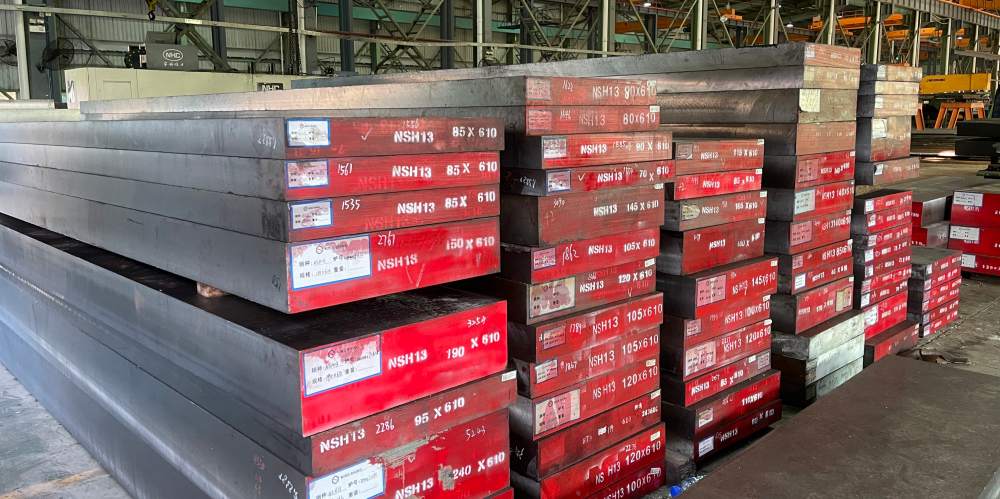
Stock Ready
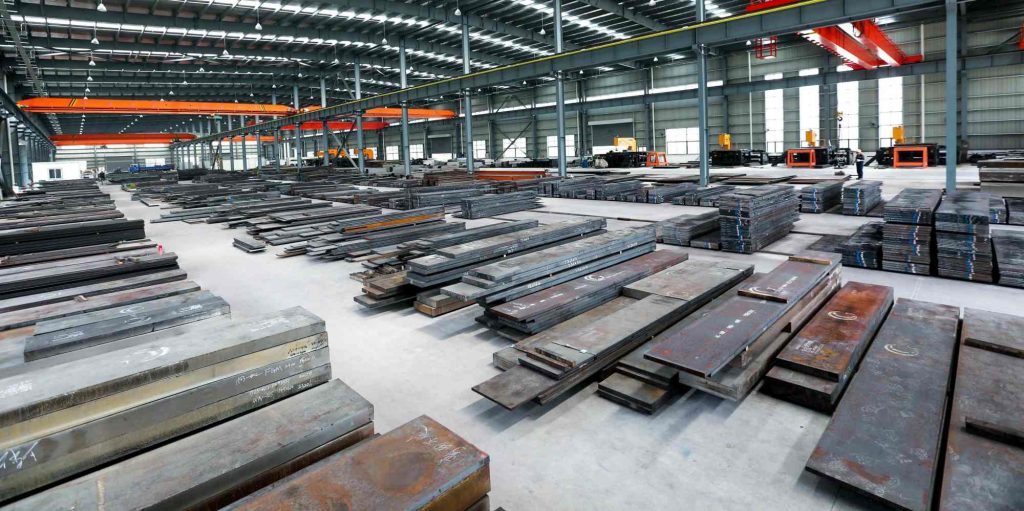
50,000+ tons inventory across 11 warehouses enables fast delivery. Flexible cutting, short lead times, and ready stock support urgent demands and improve customers’ production efficiency.
Expert Team
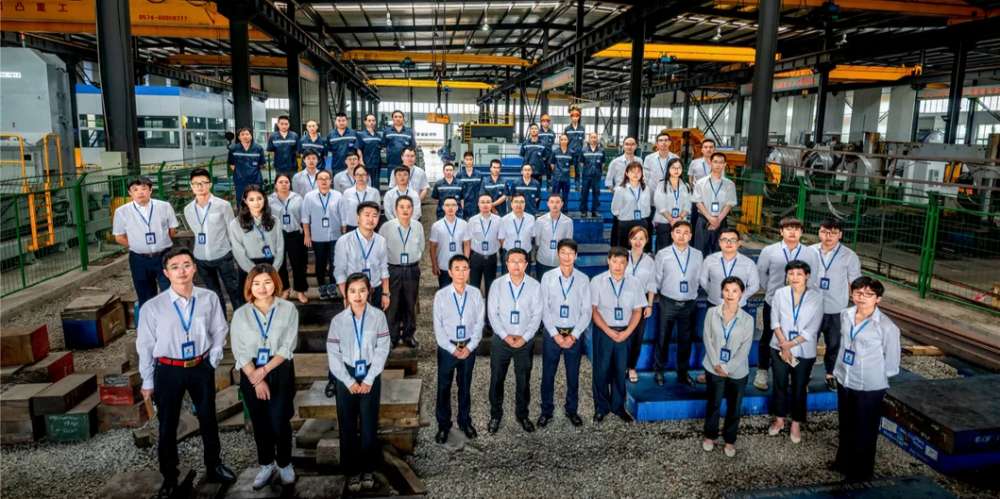
600+ professionals, including R&D specialists and technical engineers, provide application-driven support. Fast response and deep tooling knowledge ensure accurate solutions for diverse industrial needs.
Fully Inspected
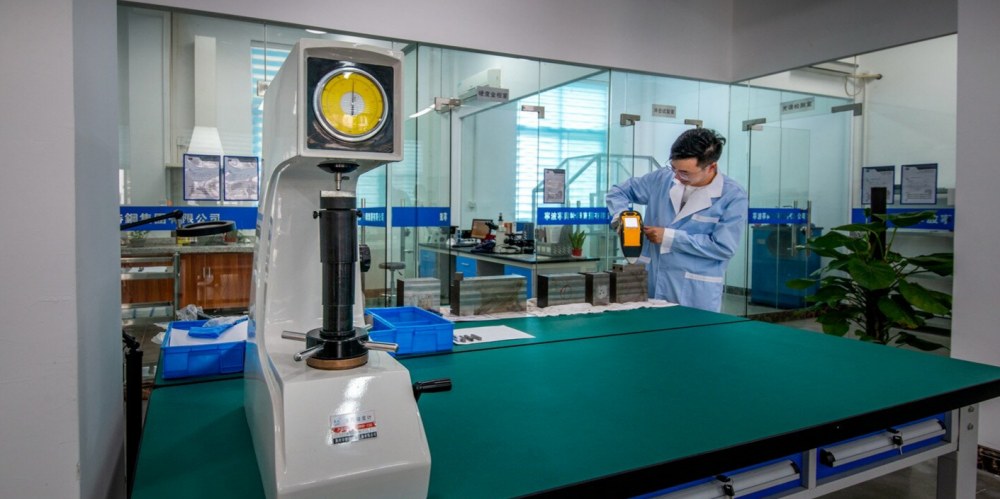
Strict quality control system with full traceability, UT testing, and heat treatment records. Certified standards (ISO, CE) ensure every material meets high-performance and reliability requirements.
Full-Chain Machining
From steel supply to precision machining, heat treatment, and equipment manufacturing, NSPM offers integrated solutions that enhance accuracy, efficiency, and overall tooling performance.