

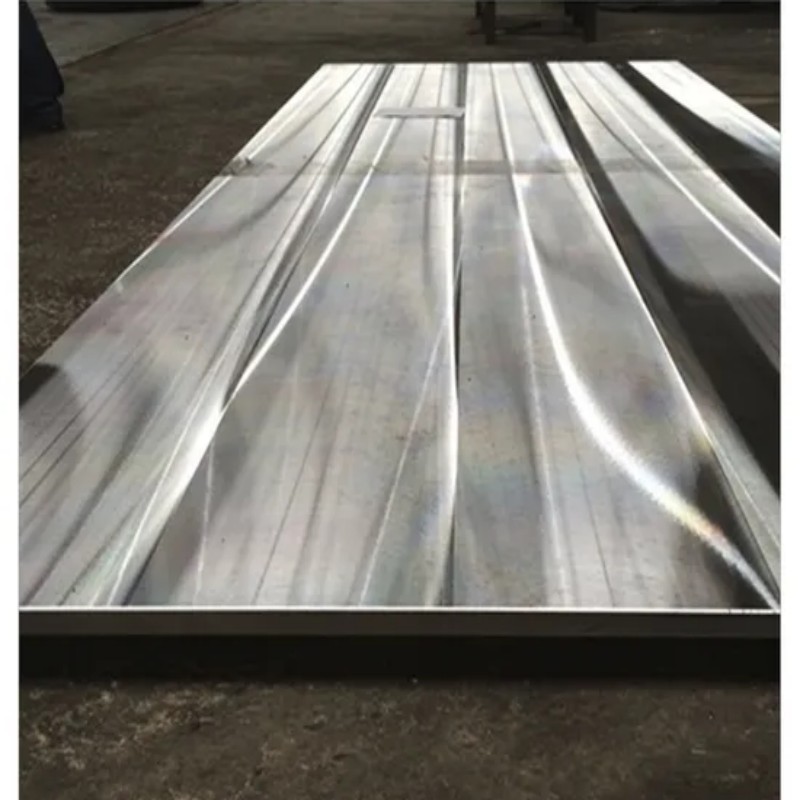

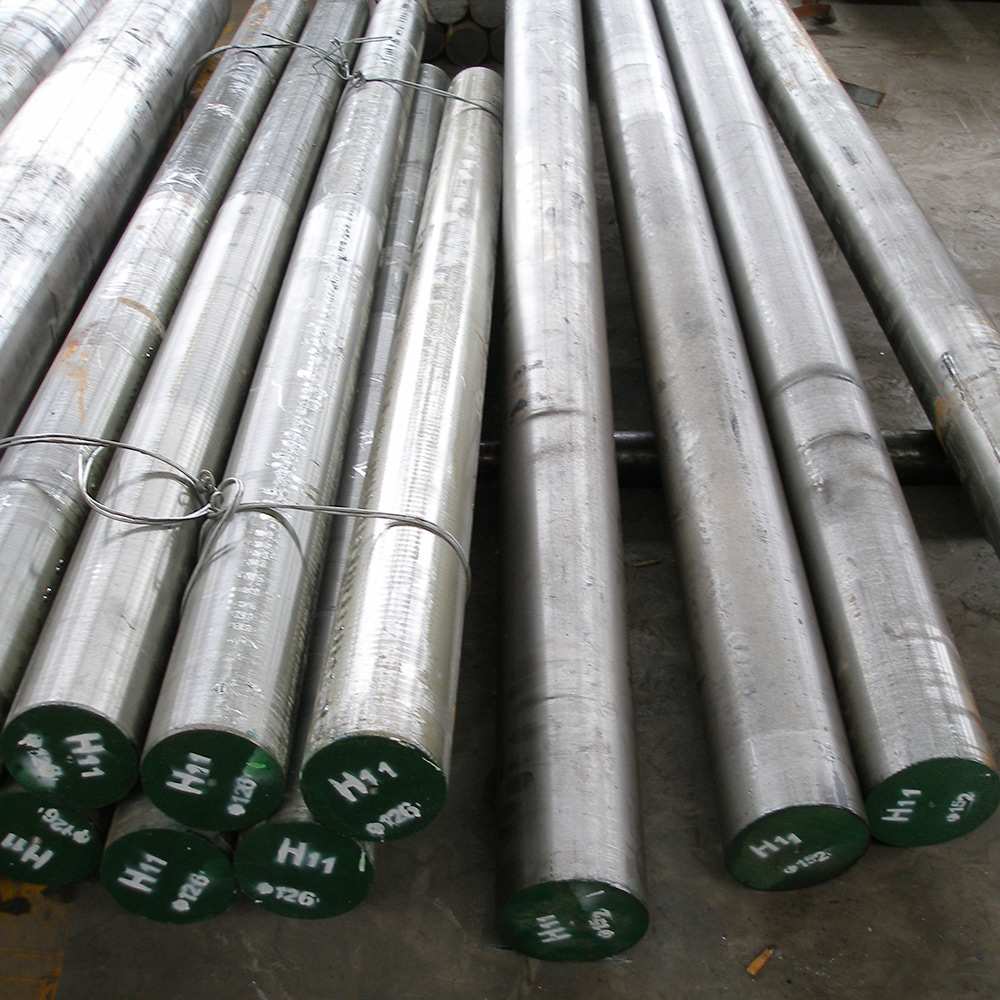
A2 tool steel is a medium-alloy cold-work tool steel known for its dimensional stability during heat treatment and its balanced combination of wear resistance and toughness. It achieves a hardness of HRC 60–62 after quenching and tempering, making it suitable for demanding cold-work applications such as stamping dies, punches, and cutting tools. Unlike O1 and D2 steels, A2 offers a middle ground: better dimensional stability than O1 and better toughness than D2.
Key Takeaways
- A2 tool steel maintains dimensional stability during heat treatment, reducing the need for post-hardening grinding.
- It offers a balance of wear resistance and toughness — ideal for cold-work tools like dies and punches.
- Choose A2 for balanced performance; choose O1 for simple tooling or D2 for maximum wear resistance.
- A2 is air-hardening, which minimizes distortion and cracking risk compared to oil- or water-hardening steels.
A2 Tool Steel Chemical Composition and Equivalent Grades
Chemical Composition of A2 Tool Steel (1.2363)
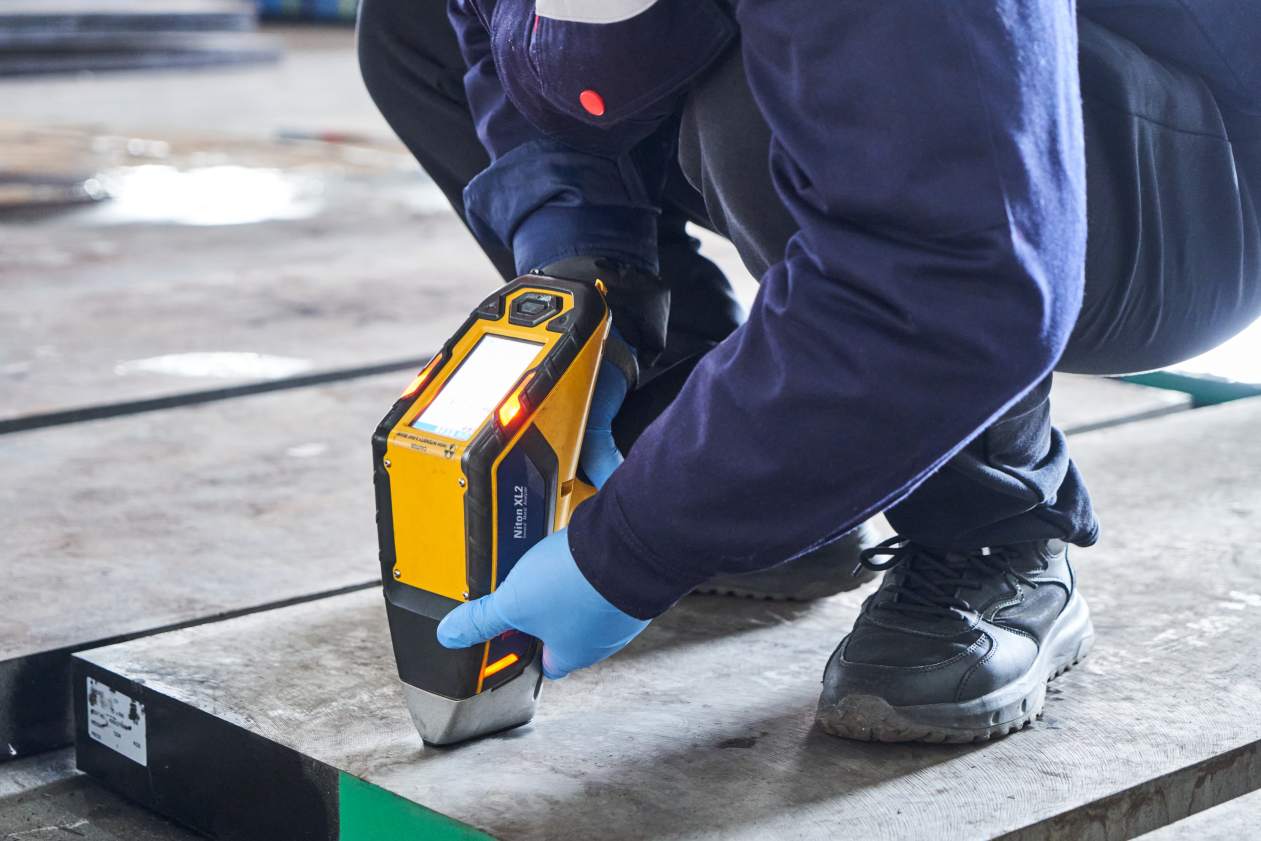
The American Society for Testing and Materials (ASTM) specifies the composition for A2 under ASTM A681. The table below lists the allowable ranges.
| Element | Composition Range (wt.%) |
|---|---|
| Carbon (C) | 0.95–1.05 |
| Chromium (Cr) | 4.75–5.50 |
| Molybdenum (Mo) | 0.90–1.40 |
| Vanadium (V) | 0.15–0.50 |
| Manganese (Mn) | 0.40–1.00 |
| Silicon (Si) | 0.10–0.50 |
Carbon provides the hardness necessary for cutting and forming. Chromium enhances wear resistance and hardenability. Molybdenum increases toughness and prevents softening at elevated temperatures. Vanadium refines grain structure, improving both wear resistance and impact strength.
Impurity control is equally critical. Under the 1.2363 standard, phosphorus must remain below 0.025% and sulfur below 0.005%. These limits ensure steel cleanliness, minimizing the risk of cracking during heat treatment. In one die failure analysis I conducted, a stamping punch cracked during quenching due to sulfur content exceeding 0.008% — the resulting sulfide inclusions acted as stress concentrators. Sourcing steel with certified low-sulfur content eliminates this risk.
A2 Equivalent Grades Across International Standards
| AISI/UNS | EN | DIN | JIS | GB |
|---|---|---|---|---|
| A2 / T30102 | X100CrMoV5 | 1.2363 | SKD12 | Cr12Mo1V1 |
Note that molybdenum content varies between standards: American A2 allows up to 1.40% Mo, while DIN 1.2363 specifies approximately 1.00%. For large parts requiring deep hardenability, verify the actual Mo content against the required hardenability curve. Always confirm the specific standard before ordering.
What Makes A2 an Air-Hardening Tool Steel
A2’s air-hardening capability is its defining characteristic. During quenching, air cooling provides a slower, more uniform cooling rate than oil or water. This reduces internal stress and thermal gradients, which in turn minimizes distortion and cracking risk. The mechanism relies on A2’s alloy content — chromium and molybdenum slow the transformation rate enough that air cooling achieves full hardening. This is why A2 maintains dimensional stability during heat treatment, unlike O1 (oil-hardening) or W1 (water-hardening) steels, which are more prone to shrinkage and distortion.
A2 Tool Steel Properties and Performance
Hardness and Wear Resistance
After heat treatment, A2 achieves a hardness of HRC 60–62. The carbon and chromium content drives wear resistance: carbon forms hard carbides, while chromium increases carbide content and hardenability. Vanadium refines grain structure, improving both wear resistance and toughness. For high-volume stamping operations running millions of cycles, this combination of hardness and carbide distribution provides consistent wear resistance at the die surface.
Toughness and Dimensional Stability
A2’s toughness arises from molybdenum (which enhances impact toughness) and vanadium (which refines grain structure). Finer grains inhibit crack propagation. Tempering further boosts toughness, enabling A2 to withstand impact loads in punches and chisels.
Dimensional stability during heat treatment distinguishes A2 from oil-hardening and water-hardening steels. Air cooling produces uniform thermal contraction, reducing distortion. This means less post-hardening grinding and lower material waste. In one stamping die project, switching from O1 to A2 reduced post-heat-treatment grinding time by approximately 30%, saving both time and abrasive costs.
Heat Treatment of A2 Tool Steel
The heat treatment process for A2 comprises three stages: austenitizing, quenching, and tempering.
| Stage | Temperature | Notes |
|---|---|---|
| Austenitizing | 925–980°C | Soak for 30–45 min after reaching temperature |
| Quenching | Air cool | Uniform cooling minimizes distortion |
| Tempering | 150–540°C | Double temper recommended |
Air cooling during quenching reduces internal stress and minimizes cracking risk. Double tempering ensures uniform properties and dimensional stability. Typical tempering at 175–200°C produces HRC 60–62; higher tempering temperatures reduce hardness but increase toughness. Avoid tempering in the 250–400°C range, which can cause temper embrittlement. For critical tooling, vacuum heat treatment with controlled cooling rates provides the most consistent results.
A2 Tool Steel Applications: When to Choose A2
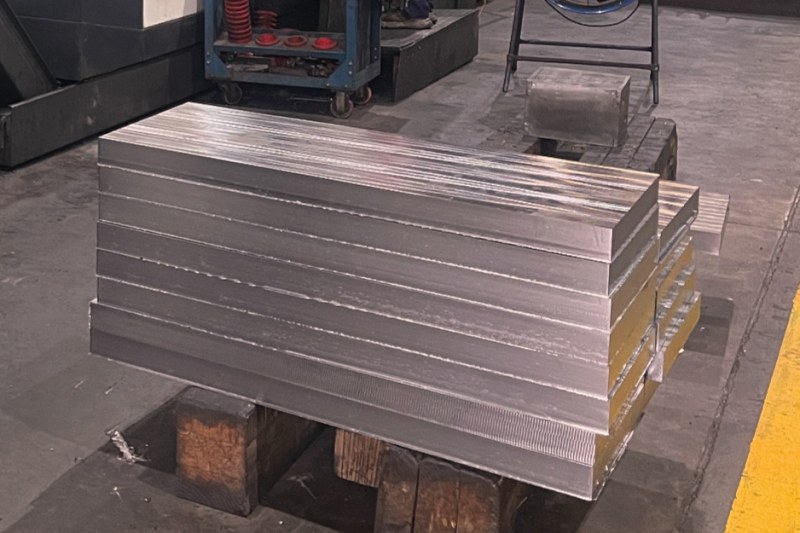
Cold Work Tooling Applications
A2 excels in cold-work applications. It maintains high hardness at room temperature and offers outstanding wear resistance and impact toughness, making it ideal for:
- Blanking dies
- Forming dies
- Thread-rolling dies
- Stamping punches
- Shear blades and slitting blades
- Cold-heading dies
In high-volume stamping where dies must withstand millions of cycles, A2’s wear resistance and toughness handle the demands. Its air-hardening properties minimize distortion during heat treatment, reducing grinding time and material costs.
A2 vs O1 vs D2: How to Choose
| Grade | Hardening | Chromium | Wear Resistance | Toughness |
|---|---|---|---|---|
| A2 | Air | ~5% | High | Good |
| O1 | Oil | Low | Moderate | Good |
| D2 | Air | ~12% | Very high | Lower |
Compared to O1: O1 requires oil quenching and undergoes significant dimensional changes; A2 offers superior dimensional stability. Compared to D2: D2 has higher chromium and greater wear resistance but is more prone to cracking under impact; A2 falls between them in both properties. Choose A2 when your tool needs a balance of wear resistance, toughness, and dimensional stability.
Typical Industries Using A2 Tool Steel
A2 is used across multiple industries:
- Automotive: stamping dies for body panels and structural components
- Aerospace: forming dies for sheet metal parts
- Electronics: precision stamping dies for connectors and terminals
- Appliance manufacturing: blanking and forming dies for housings
- Metal fabrication: shear blades, punches, and cutting tools
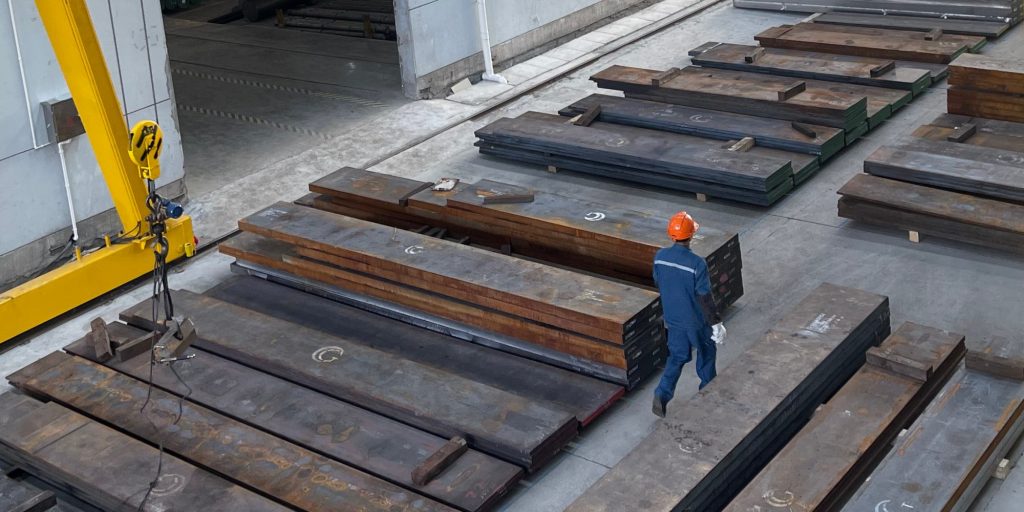
NSPM supplies A2 tool steel in a wide range of sizes and shapes and provides technical support for material selection. The company maintains tool steel inventory exceeding 50,000 tons across 11 warehouses, with custom cutting and vacuum heat treatment services.
FAQs About A2 Tool Steel
What is A2 tool steel used for?
A2 is used for cold-work tooling: stamping dies, forming dies, thread-rolling dies, punches, shear blades, and cutting tools. It suits applications requiring a balance of wear resistance, toughness, and dimensional stability.
Is A2 better than D2?
Neither is universally better. D2 offers higher wear resistance (12% Cr vs. 5% Cr) but lower toughness and higher cracking risk. A2 offers better toughness and dimensional stability. Choose D2 for maximum wear resistance; choose A2 for balanced performance.
What is the hardness of A2 tool steel?
A2 achieves HRC 60–62 after quenching and tempering at 175–200°C. Higher tempering temperatures reduce hardness to increase toughness.
Does NSPM supply A2 tool steel?
Yes. NSPM stocks A2 (1.2363) across its 11 warehouses with full quality traceability. The company provides custom cutting and vacuum heat treatment services and exports to over 30 countries.
How does NSPM ensure A2 tool steel quality?
NSPM provides mill test certificates verifying compliance with ASTM A681, including chemical composition and hardenability data. Vacuum heat treatment records and batch traceability are available for each shipment.