

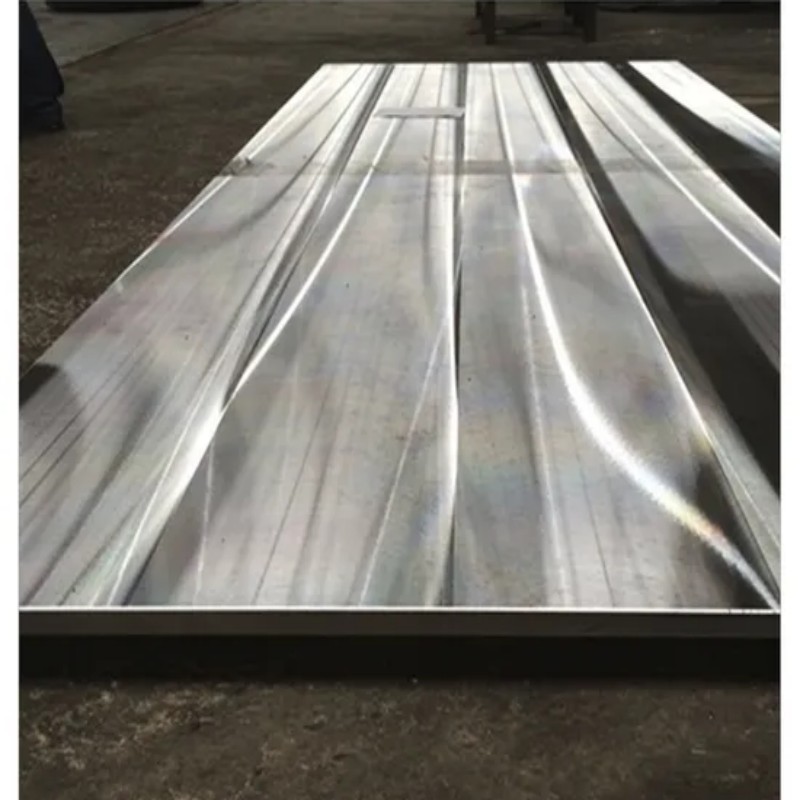
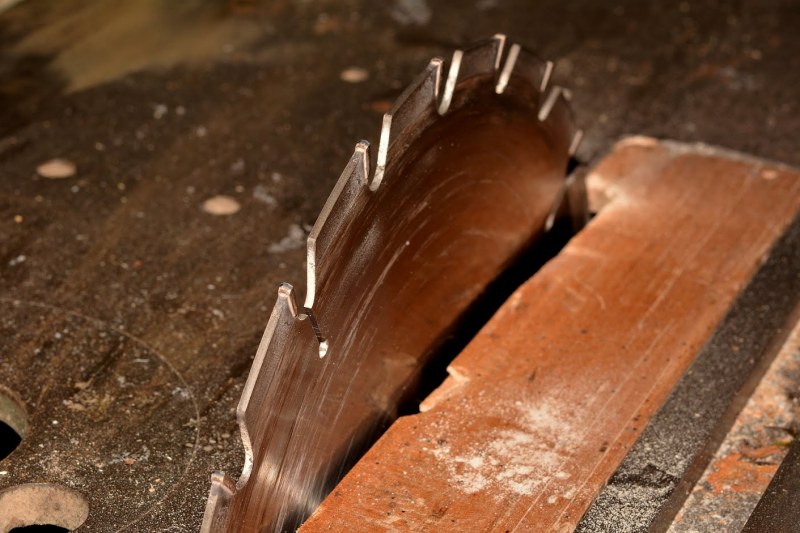
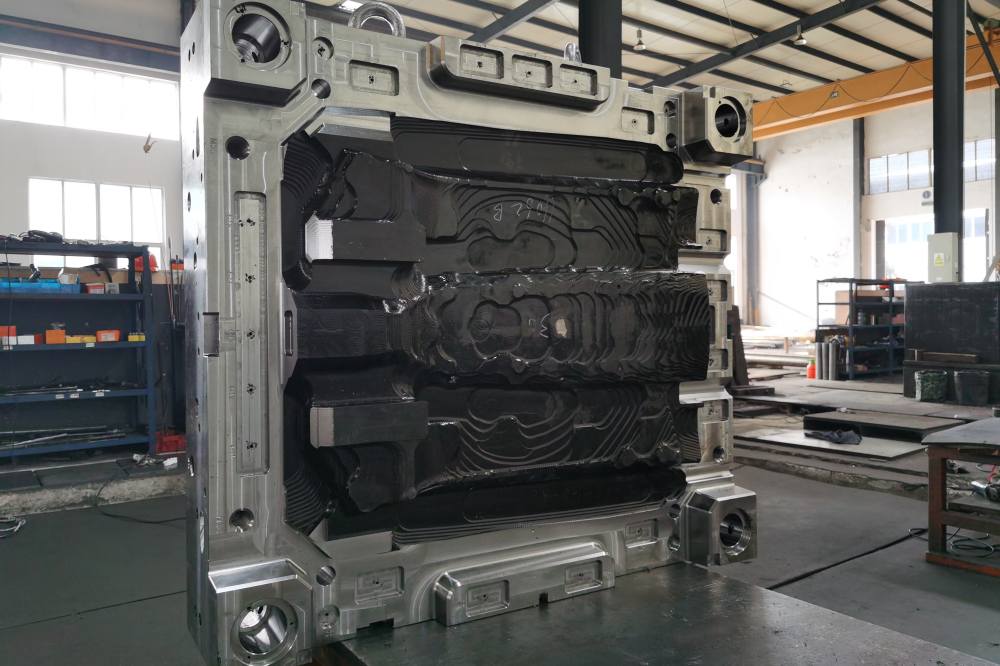

Plastic mold steel refers to a dedicated alloy material manufactured to build injection, blow and extrusion molds for mass plastic production. Distinct from regular tool steel, it delivers balanced internal toughness, abrasion resistance, dimensional stability, superior machinability, mirror polishing performance and corrosion resistance to withstand repeated thermal cycling, molten plastic pressure and chemical off-gassing during long molding runs.
Key Takeaways
- Plastic mold steel is the foundational material for manufacturing precision plastic molds, engineered to endure cyclic heat, pressure and chemical exposure in molding workshops.
- Its core advantages — high toughness, wear resistance, polishability and corrosion resistance — lower mold maintenance frequency and boost finished plastic part quality.
- Main commercial grades including pre-hardened P20, hot-work H13 and martensitic 420 stainless each serve distinct production volumes and molding material requirements, balancing hardness and processing convenience.
- Matching mold steel grade to your production scale, plastic resin and surface standard accelerates molding cycles, cuts overall manufacturing costs and reduces defective rates.
- As a reliable full-line supplier, NSPM provides certified plastic mold steel with complete quality traceability and expert technical support to help factories meet long-term production targets.
What Is Plastic Mold Steel?

Definition & Core Industrial Purpose
Plastic mold steel is a specialized alloy series exclusively engineered for plastic forming molds, widely adopted across automotive, packaging, electronics and consumer goods manufacturing. Molds fabricated from this material bear repeated impact from high-temperature molten plastic, while resisting corrosion triggered by plastic volatile gases and cooling water.
Global manufacturing industries follow unified metallurgy standards for plastic mold steel, regulating alloy composition, hardness consistency and mechanical performance to guarantee stable mold output and long service cycles.
Core functional demands of plastic mold steel:
- Maintain precise geometry under alternating hot-cold molding cycles
- Resist abrasive wear from glass fiber, mineral and other reinforced plastic additives
- Withstand corrosion from PVC, flame-retardant and acidic resin emissions
- Enable efficient mold fabrication and high-gloss surface finishing for plastic products
- Adapt to customized large mold production with uniform internal material quality
The primary objective of selecting qualified plastic mold steel is to sustain stable dimensional accuracy over mass production runs while producing smooth, defect-free plastic parts — a critical requirement for transparent optical components and high-gloss cosmetic products that demand mirror polishing capability.
How Plastic Mold Steel Differs From General Tool Steel
While general tool steels are developed for metal cutting, stamping and hot forging, plastic mold steel is formulated specifically for cyclic plastic molding environments, with fundamental differences in alloy composition and performance focus.
Plastic mold steel incorporates balanced chromium, nickel and molybdenum to prioritize toughness and anti-corrosion capacity. By contrast, cutting-focused tool steels feature elevated carbon, vanadium and tungsten to maximize surface hardness and cutting edge retention.
| Steel Category | Primary Alloy Elements | Core Performance Focus |
|---|---|---|
| Plastic mold steel | Chromium, nickel, molybdenum | Internal toughness, corrosion resistance, polishability |
| General cutting tool steel | High carbon, vanadium, tungsten | Extreme surface hardness, abrasion resistance, edge retention |
Their working performance gaps are shown below:
| Performance Index | Plastic Mold Steel | General Tool Steel |
|---|---|---|
| Long-run durability | Optimized for tens of thousands of continuous molding cycles | Designed for heavy single-time mechanical impact |
| Hardness orientation | Balanced toughness to avoid cracking | Ultra-high surface hardness for cutting applications |
| Corrosion resistance | Excellent for humid and chemically corrosive molding environments | Limited basic anti-rust performance |
| Thermal cycling tolerance | Formulated for frequent heating and cooling in injection molding | Not adapted to repeated rapid temperature changes |
For injection molding workshops requiring stable precision, anti-rust capacity and consistent surface finish, plastic mold steel is the optimal material choice to raise production efficiency and product uniformity.
Key Mechanical Properties of Plastic Mold Steel

Hardness & Core Toughness
A balanced combination of hardness and internal toughness prevents mold cracking, deformation and premature abrasion under long-term clamping pressure. Factories select targeted hardness grades based on production volume and molding material abrasiveness, measured on the HRC scale:
| Production Requirement | Standard Hardness (HRC) |
|---|---|
| Low-volume trial runs | 28–33 Pre-hardened grades (P20) |
| Medium-volume mass production | 38–44 Medium-hard alloy mold steel |
| High-volume reinforced resin molding | 52–58 Fully hardened stainless mold steel |
Higher hardness delivers superior wear resistance and dimensional stability, while sufficient core toughness avoids brittle fracture during high-pressure molding. Precisely matched hardness also shortens mold CNC machining time and reduces cutting tool wear.
Corrosion Resistance
Corrosion resistance is essential for molds operating with water cooling systems, humid workshop environments or corrosive plastic resins such as PVC. Chromium is the core anti-corrosion alloy element in mold steel:
| Corrosion Protection Parameter | Details |
|---|---|
| Chromium content | 12–14% forms a dense passive film blocking moisture and mild acid erosion |
| Application advantage | Effectively neutralizes corrosive plastic off-gassing for damp workshop conditions |
Martensitic stainless mold steel (420 series) leverages 12–14% chromium, paired with molybdenum and nitrogen, to resist condensation and resin chemical erosion. Nitrogen partially replaces nickel to boost both mechanical strength and machinability, extending mold service life in corrosive molding scenarios.
Machinability & Polishing Performance
High machinability directly cuts mold processing lead time and manufacturing expenditure. Below is the machinability ranking of mainstream plastic mold steel grades supplied by NSPM:
| Steel Grade | Machinability Rating |
|---|---|
| P20 | Excellent |
| H13 | Good |
| 420 Stainless Mold Steel | Good |
| S7 | Moderate |
Easy-to-machine steel accelerates rough machining, mold modification and post-production maintenance, lowering overall mold manufacturing costs.
Premium polishing capacity determines the surface quality of finished plastic products:
- Mirror-polished mold surfaces produce flawless glossy or transparent plastic parts
- Smooth mold finishes enable seamless part ejection without surface scratches
- Uniform fine grain structure eliminates polishing lines and surface defects for optical-grade components
Core Benefits of Using Specialized Plastic Mold Steel
Stable Dimensional Stability & Long Wear Life
Plastic molds undergo constant thermal expansion and contraction during cyclic injection molding. Plastic mold steel’s controlled alloy formula minimizes dimensional drift, ensuring consistent part sizing throughout long production runs and reducing defective products caused by mold deformation.
Excellent abrasion resistance combats surface wear from hard plastic fillers, lowering mold polishing and repair frequency to cut downtime and maintenance costs. NSPM’s standardized plastic mold steel maintains uniform internal metallurgical quality to maximize mold service cycles.
High-Grade Polishing Performance for Premium Products
Many consumer, optical and cosmetic plastic parts require flawless glossy surfaces. High-purity plastic mold steel with refined grain structure supports mirror polishing, delivering smooth, scratch-free plastic products and smooth automatic ejection to reduce post-processing rework.
Visible Productivity & Cost Savings
Pre-hardened grades such as P20 eliminate secondary heat treatment procedures, drastically shortening mold manufacturing lead time and accelerating mass production launch. High wear-resistant grades reduce mold replacement frequency to lower long-term capital expenditure.
| Cost-Saving Advantage | Practical Production Value |
|---|---|
| Pre-hardened mold steel | Cuts heat treatment time and extra processing fees |
| Superior wear & toughness | Extends mold lifespan and reduces repair downtime |
| Stable metallurgical consistency | Minimizes scrap parts and production delays |
NSPM also provides professional metallurgical technical support to resolve mold surface defect, polishing and thermal cycling issues quickly, stabilizing workshop output and lowering comprehensive manufacturing costs.
Industrial Applications of Plastic Mold Steel
Injection Molding
Injection molding is the largest application field for plastic mold steel, manufacturing automotive interior parts, electronic housings, daily consumer goods and plastic containers. Different steel grades optimize molding cycle speed, surface quality and production stability:
| Mold Steel Grade | Typical End Products | Core Advantages |
|---|---|---|
| P20 | General consumer toys, storage containers | Fast mold fabrication, medium-shot mass production |
| H13 | Automotive bumpers, instrument panels | High wear resistance for reinforced engineering plastics |
| 420 Stainless | Medical casings, PVC packaging | Anti-corrosion for acidic resin and humid environments |
Appropriately matched mold steel improves mold thermal conductivity, shortens plastic cooling time and raises daily production output while maintaining uniform part quality.
Blow Molding & Extrusion
Blow molding produces hollow plastic bottles, fuel tanks and large containers; extrusion manufactures plastic pipes, sheets and profile strips. Plastic mold steel retains smooth mold surfaces and structural integrity under continuous high-temperature plastic flow, resisting abrasion from mineral-filled raw materials and ensuring consistent product wall thickness.
Automotive, Packaging & Consumer Goods Sectors
- Automotive: Requires high-toughness H13 mold steel to withstand high-pressure molding of large interior and exterior plastic components
- Food & Medical Packaging: Adopts 420 stainless steel for corrosion resistance and hygiene compliance
- Consumer Electronics & Daily Goods: Uses cost-effective P20 for medium-volume cosmetic, toy and home appliance molds
High-quality plastic mold steel directly determines finished plastic part appearance, dimensional precision and production efficiency, making grade selection a core factor controlling workshop operating costs.
Conclusion
Plastic mold steel is a specialized alloy material exclusively engineered to withstand the unique thermal, mechanical and chemical loads of plastic molding production. Its integrated advantages of balanced toughness, abrasion resistance, dimensional stability, machinability and corrosion resistance cannot be matched by general cutting or hot-forging tool steel.
As a professional full-range plastic mold steel supplier, NSPM provides fully traceable, quality-inspected mold steel materials alongside custom metallurgy consultation. Matching the correct plastic mold steel grade to your molding process, resin formula and output targets delivers cleaner plastic parts, fewer mold repairs and higher long-term workshop profitability.
FAQ
What products are plastic mold steels used to manufacture?
Plastic mold steel fabricates molds for all plastic forming processes, including injection, blow and extrusion molding. End products cover automotive plastic components, food packaging containers, electronic housings, medical parts, daily toys and household appliances.
What core benefits does NSPM’s plastic mold steel provide to manufacturers?
NSPM supplies complete plastic mold steel grades with stable certified metallurgical quality, flexible delivery cycles and dedicated metallurgical technical support. Our materials improve mold durability, polishing effect and production consistency to lower long-term workshop costs.
How does plastic mold steel achieve anti-corrosion performance?
Controlled chromium content (12–14% for stainless mold steel) forms a dense passive protective film on the mold surface, isolating moisture, condensation and corrosive volatile gases released by plastic resins to prevent rust and surface pitting.
Which industries rely heavily on plastic mold steel?
| Industry | Representative Plastic Products |
|---|---|
| Automotive | Dashboards, bumpers, interior trim parts |
| Food & Medical Packaging | Bottles, sealed containers, disposable medical housings |
| Consumer Electronics | Equipment shells, plastic connectors |
| Home Appliances | Outer covers, control handles, storage accessories |
All these sectors demand dimensionally stable, smooth-surface molds to produce qualified plastic products at scale.