
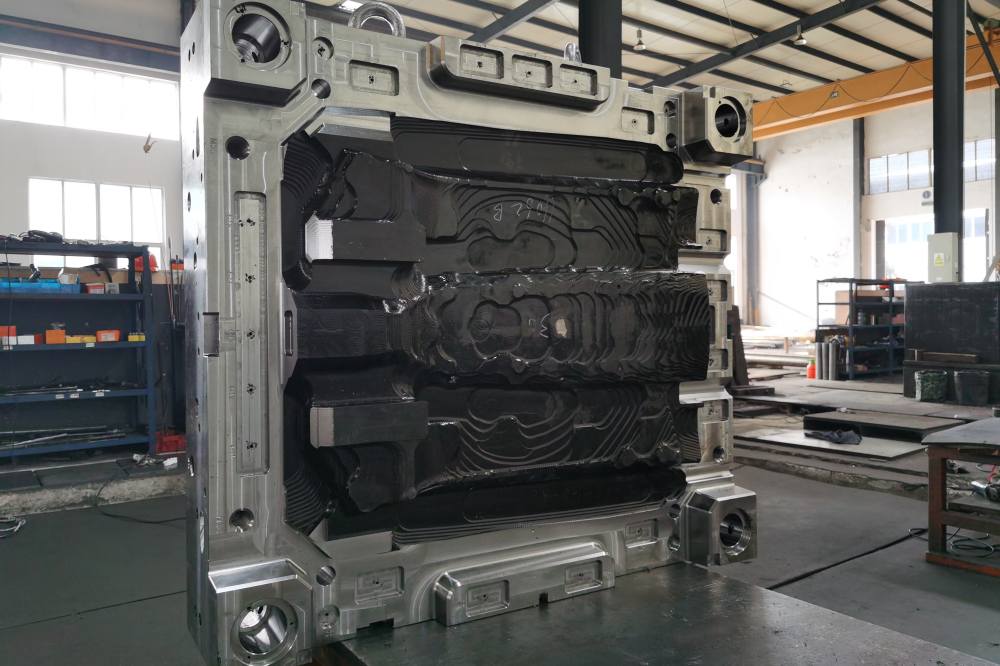
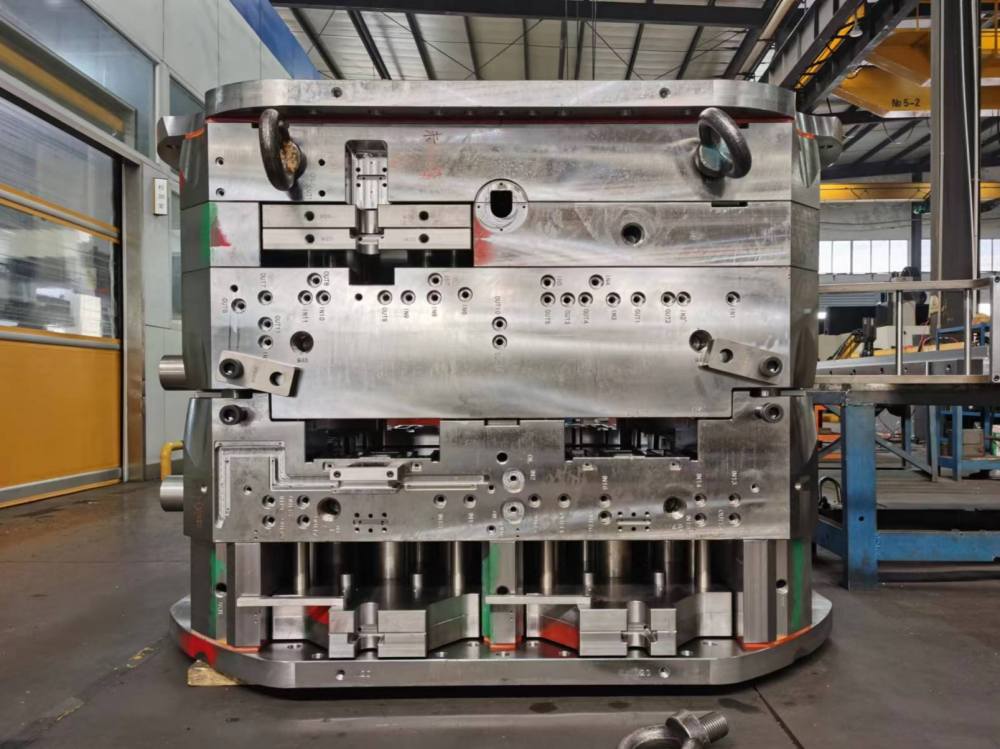

A die set, also known as a die shoe assembly, is the rigid structural foundation of a stamping die system. It consists of precision-matched upper and lower die shoes paired with guide pins and bushings, serving as a standardized frame to mount all stamping working components such as punches, dies and springs. Its core function is to ensure precise alignment between the upper and lower die halves during every press stroke, delivering consistent part accuracy and extending the service life of wear components. Die sets are foundational hardware for sheet metal stamping production across manufacturing industries.
As a professional precision tooling and steel solution provider, Ningshing Precision Machinery (NSPM) supplies high-quality die set materials and precision machined die sets with strict tolerance control, supporting reliable performance in heavy-duty stamping operations.
Key Takeaways
- A die set is the structural support frame of a stamping die, providing precise alignment and rigid load-bearing for internal working components.
- Core components include upper and lower die shoes, guide pins and guide bushings, which together determine the die’s alignment accuracy and structural stability.
- Material quality directly impacts die set service life and production stability; tool steel grades such as D2 and A2 are standard for high-wear working parts.
- Die sets are available in standard and custom configurations, with progressive and compound designs to match different stamping process requirements.
- Widely used in automotive, electronics, aerospace and hardware manufacturing, die sets are critical for producing high-precision, repeatable sheet metal parts.
Core Components of a Die Set
A standard die set includes three fundamental structural components that define its performance. Punches, die cavities and stripper plates are working elements mounted onto the die set, and are not part of the die set itself.
Upper and Lower Die Shoes
Also called die plates, these are the top and bottom base plates of the assembly. The upper shoe mounts to the moving ram of the stamping press, while the lower shoe is fixed to the press bolster. Both provide a rigid mounting surface for all internal die components, and must withstand continuous impact and clamping forces without deflection.
Guide Pins and Bushings
Guide pins and precision-matched bushings ensure repeatable, micron-level alignment between the two die halves with every press stroke. They are typically made from case-hardened steel for wear resistance, and are the primary factor controlling part dimensional consistency and preventing punch-to-die misalignment damage.
How a Die Set Works

Installed in a mechanical or hydraulic stamping press, the upper die shoe moves up and down with the press ram, guided by the pin and bushing system. As the die closes, punches and forming tools mounted on the die set cut, bend or shape the sheet metal workpiece placed between the two halves.
The die set itself does not perform the cutting or forming work; it delivers stable, repeatable alignment and structural rigidity, which directly determines the accuracy of finished parts and the total service life of the stamping tool.
Common Types of Die Sets
Standard vs Custom Die Sets
- Standard die sets are manufactured to universal dimensional specifications, with short lead times and low cost. They are suitable for simple single-station stamping and forming operations with conventional precision requirements.
- Custom die sets are engineered for special part geometries, high-precision requirements or heavy-load production. They can include features such as micrometer-adjustable seating and reinforced plate thickness to match unique process needs.
Process-Specific Die Set Designs
- Single-station die sets: For simple blanking, piercing or forming operations completed in one press stroke.
- Progressive die sets: Designed for multi-station progressive stamping, where multiple operations are completed in sequence as the material feeds through the die. They are ideal for high-volume production of complex small parts.
- Compound die sets: Perform both blanking and piercing operations in a single press stroke, used for high-precision flat parts such as washers, gaskets and electrical contacts.
Material Selection for Die Sets
Material grade is selected based on the component’s function, with different requirements for the structural frame and wear components.
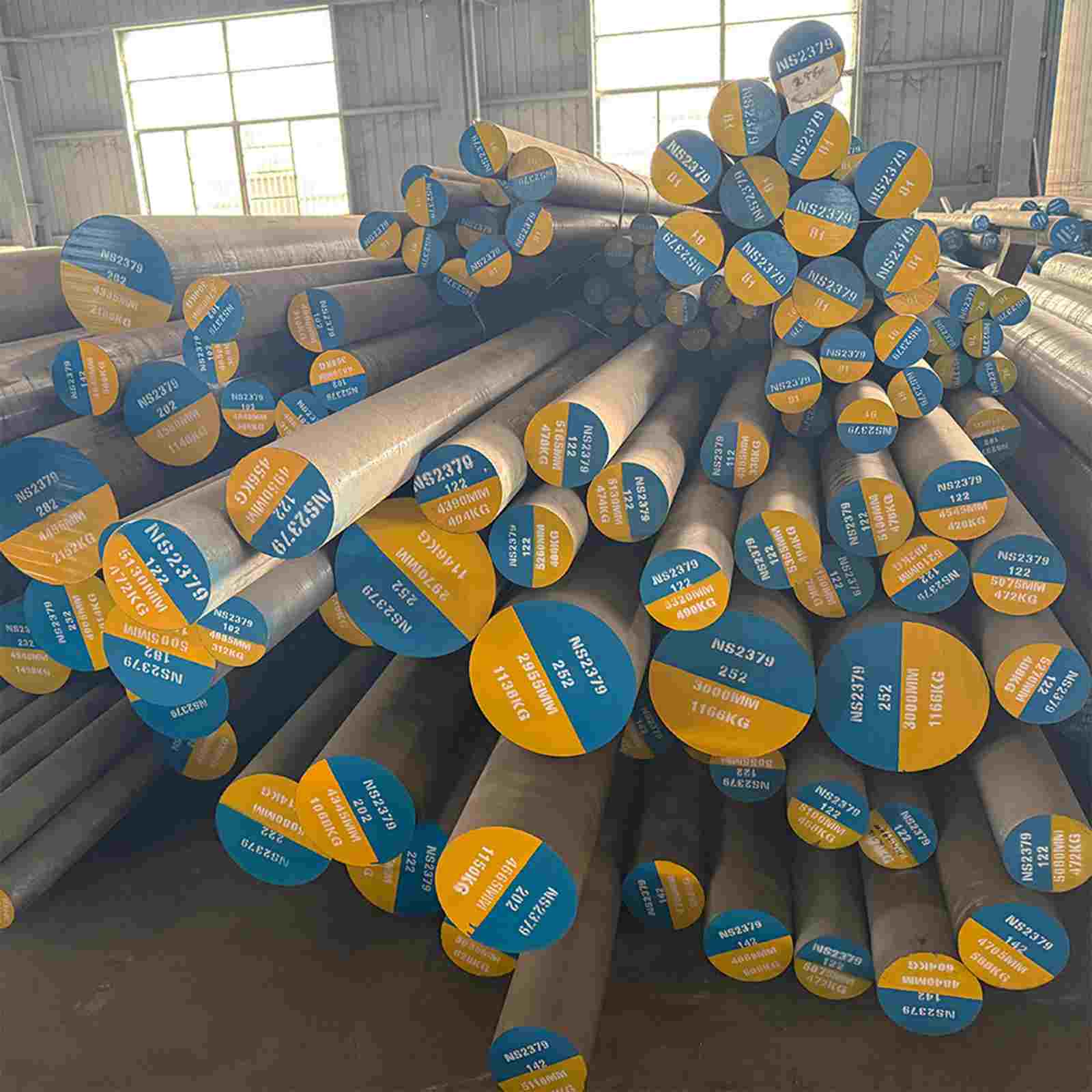
- Die shoe structure: Medium carbon steel is the standard choice, offering good machinability, structural rigidity and cost efficiency for the base frame.
- Guide pins and bushings: Case-hardened steel is used to achieve a hard, wear-resistant surface with a tough core for impact resistance.
- Mounted working components: High-alloy tool steels such as A2 and D2 are specified for punches and die inserts, delivering high hardness and excellent abrasion resistance for long production runs.
NSPM provides full-spectrum steel solutions for die set manufacturing, from structural carbon steel plates to high-performance tool steel grades. Every material batch undergoes strict composition and hardness inspection to ensure stable performance and extended die service life in demanding production environments.
Key Industrial Applications of Die Sets

Die sets are essential tooling infrastructure across sheet metal manufacturing sectors:
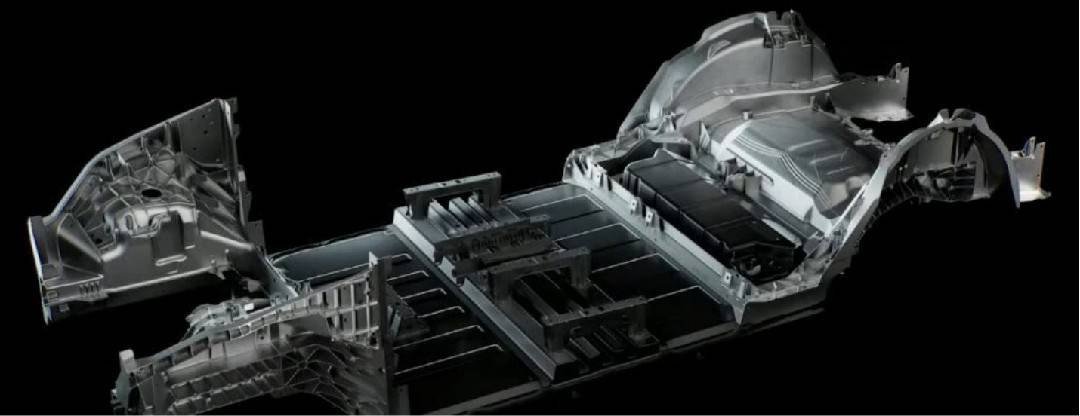
- Automotive: Used for body panel stamping, chassis component piercing and structural part forming, meeting strict dimensional consistency and safety standards.
- Consumer electronics: High-precision die sets for manufacturing small, thin metal connectors, shielding cases and hardware components.
- Hardware and home appliances: For mass production of sheet metal enclosures, brackets and fastener parts.
- Aerospace and energy: Heavy-duty custom die sets for forming high-strength metal components with stringent quality and reliability requirements.
Conclusion
A die set is the precision structural foundation of stamping die systems, providing rigid support and accurate alignment for all internal working components. Its design, material quality and manufacturing precision directly determine stamping part quality, production efficiency and total tool lifecycle cost.
FAQ
What is the main purpose of a die set?
The primary purpose of a die set is to provide a rigid, precisely aligned structural frame for stamping die components. It ensures accurate alignment between the upper and lower die halves during every press stroke, which guarantees consistent part dimensions, reduces tool wear and extends overall die service life.
Why does material quality matter for die sets?
Material quality directly determines the die set’s load-bearing capacity, wear resistance and dimensional stability. High-quality steel maintains precision under repeated impact loads, reduces downtime for tool repair and replacement, and lowers total production costs over the tool lifecycle.
How do manufacturers choose between standard and custom die sets?
Standard die sets are selected for simple, conventional stamping jobs with common size requirements, offering fast delivery and lower cost. Custom die sets are chosen for complex part geometries, special production processes or high-precision applications where standard dimensions cannot meet project requirements.
Can die sets be used for threading operations?
No. Die sets are dedicated stamping tooling frames for sheet metal cutting and forming. Thread cutting tools such as taps and circular dies belong to a separate category of machining tooling, and are not classified as die sets in industrial manufacturing terminology.
Which industries use die sets most extensively?
The automotive, consumer electronics and general hardware industries are the largest users of die sets, driven by high-volume sheet metal part production. Aerospace, energy and heavy equipment industries also rely on heavy-duty custom die sets for high-strength component forming.