

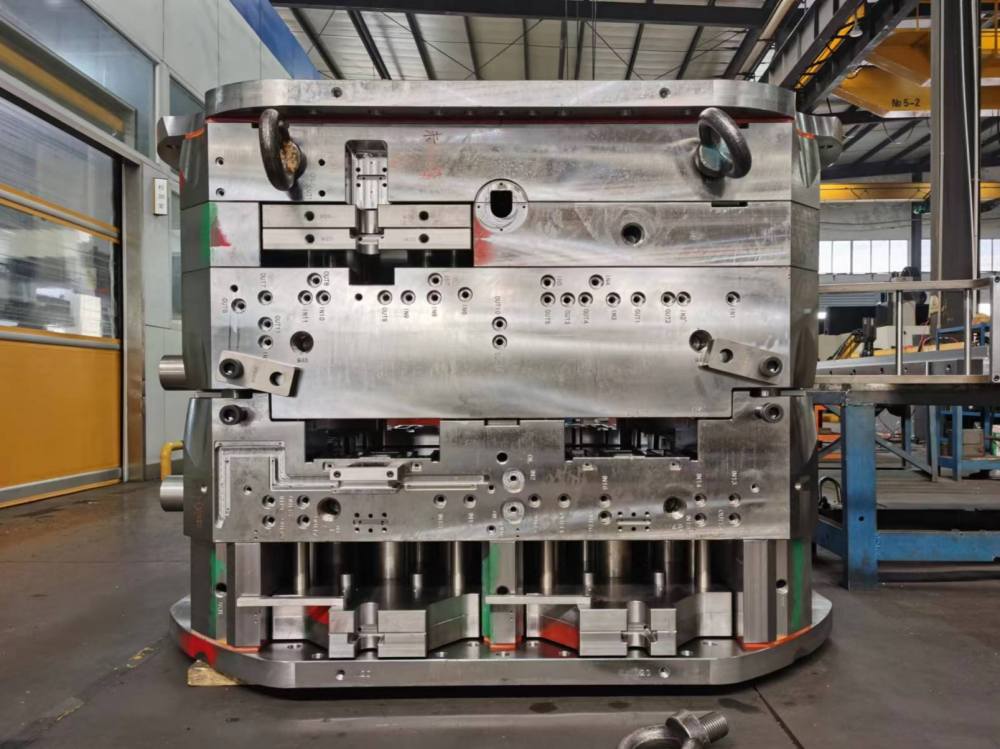


A standard mold base is the pre-engineered structural foundation of a mold system, designed to support, align and house all internal mold components throughout the molding process. Manufactured to unified industry size and tolerance specifications, it provides a standardized interface between the mold and the molding machine, eliminating the need to design the full supporting frame from scratch for every project. Adopting standard mold bases directly reduces tooling costs, shortens development lead times and ensures consistent production quality.
Key Takeaways
- A standard mold base is a prefabricated, universally specified structural frame that aligns and supports all mold components for consistent production output.
- Standardized designs reduce tooling development costs and shorten build lead times, making it the default choice for mass production molding.
- Most standard mold bases use carbon steel for structural performance, with stainless steel and pre-hardened upgrades available for specialized working conditions.
- Selecting the correct mold base specification directly impacts production efficiency, tool service life and final part dimensional accuracy.
- NSPM supplies precision standard mold bases with optional custom machining, helping customers match the optimal configuration to their project needs.
What Is a Standard Mold Base?

Core Definition and Function
A standard mold base is manufactured to universal dimensional, tolerance and structural standards set by industry systems such as DME, HASCO and Futaba. Unlike fully custom frames, it uses pre-sized, interchangeable plates and components, allowing mold makers to focus on machining cavity and core features rather than building the entire support structure.
Its core functions include:
- Providing a rigid load-bearing structure for cavity inserts and functional components
- Ensuring precise alignment between the stationary and moving mold halves
- Accommodating ejector systems, cooling channels and gating components
- Delivering a standardized mounting interface for installation on molding machines
Main Components of a Standard Mold Base
Every standard mold base consists of coordinated structural and functional components, each with a defined role:
| Component | Core Function |
|---|---|
| Top clamp plate | Fixes the stationary mold half to the nozzle side of the molding machine; supports the feed system |
| A plate (cavity plate) | Mounts the mold cavity insert, forming the outer profile of the molded part |
| B plate (core plate) | Mounts the mold core insert, forming the internal structure of the molded part |
| Support plate | Reinforces the B plate to prevent deflection and deformation under high clamping pressure |
| Spacer blocks (C blocks) | Create space for the ejector system; height is matched to required ejector stroke |
| Rear clamp plate | Fixes the moving mold half to the moving side of the molding machine |
| Ejector retainer plate | Secures ejector pins, sleeves and other ejection components in position |
| Ejector backing plate | Distributes ejection force evenly to prevent pin bending under load |
| Return pins | Automatically reset the ejector system to home position when the mold closes to avoid collision damage |
| Guide pins & bushings | Ensure precise alignment between the two mold halves during every closing cycle |
Common Materials and Precision Grades
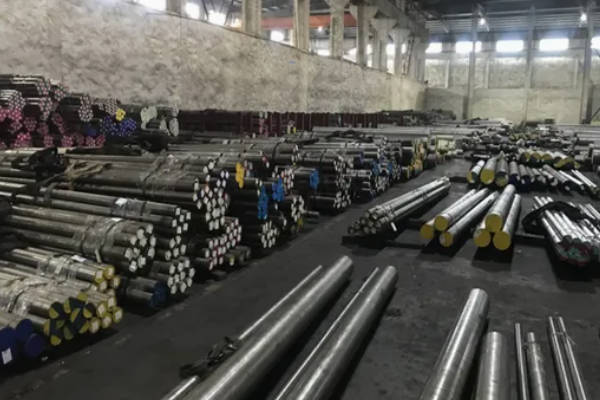
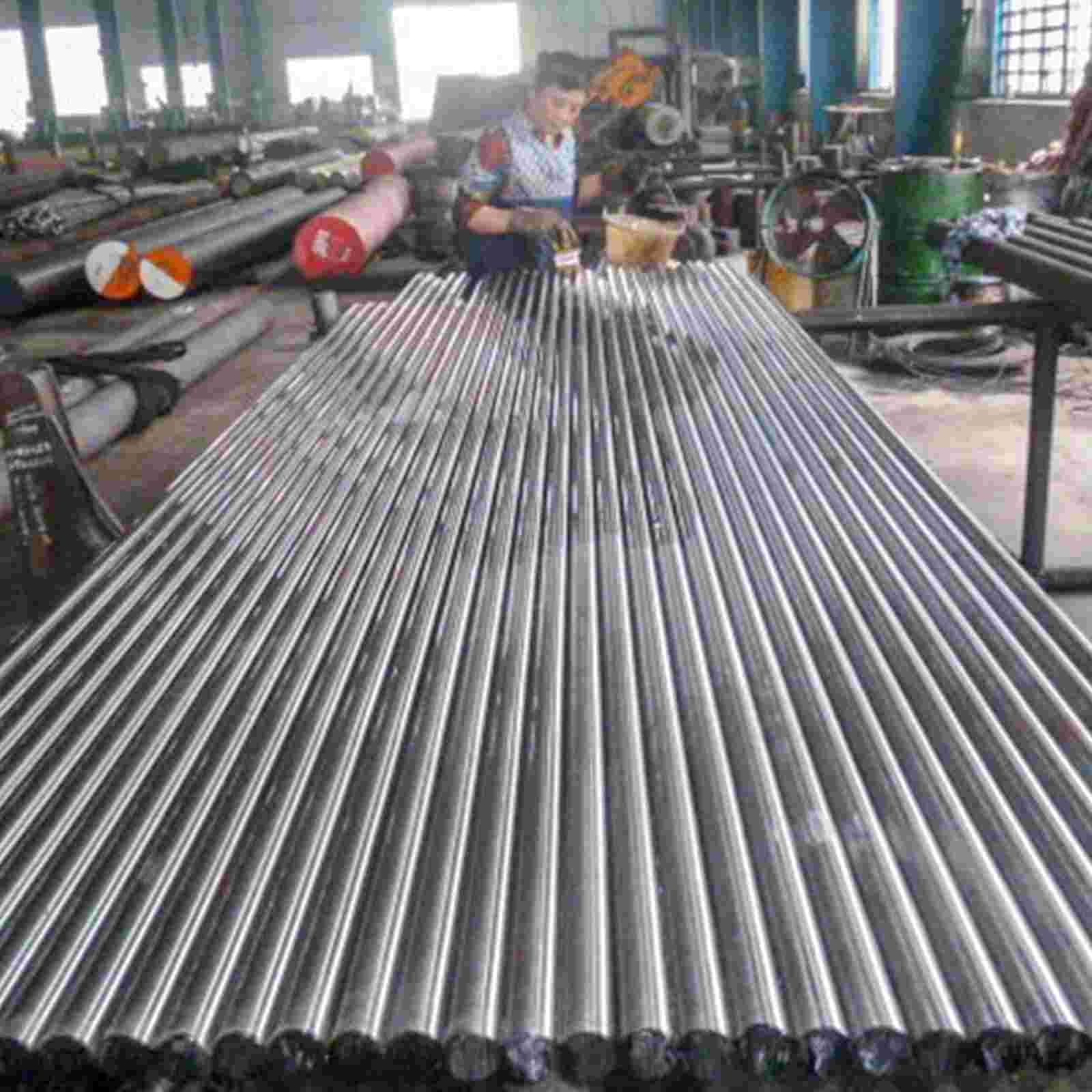
Standard mold bases are primarily built with structural carbon steel, with material upgrades available for specific performance requirements:
- Hot-rolled carbon steel (A36, 1045 / S50C): The most widely used base material, offering good machinability and cost-effectiveness for standard production molds.
- Pre-hardened alloy steel: Used for high-precision mold plates to minimize machining deformation and maintain dimensional stability.
- 420 series stainless steel: Specified for high-humidity workshops or corrosive resin processing such as PVC and flame-retardant materials.
Mold bases are also classified by precision grade to match production volume requirements, ranging from Class 101 for high-volume, high-precision long-run tooling to Class 105 for prototype and low-volume trial molds.
Standard vs Custom Mold Bases
| Feature | Standard Mold Base | Custom Mold Base |
|---|---|---|
| Design | Pre-defined dimensions compliant with universal industry standards | Fully bespoke design for unique part geometry and special requirements |
| Lead time | Short, ready for finish machining with minimal preparation | Longer, requiring full engineering design and custom fabrication |
| Cost | Lower, benefiting from standardized mass production | Higher, driven by custom engineering and one-off machining |
| Flexibility | Limited to standard specifications; fits most conventional mold designs | Highly flexible, accommodates complex features and special mounting requirements |
| Best fit | Conventional injection molding, die casting and mass production tooling | Complex precision parts and special process requirements |
Standard mold bases are available for both plastic injection molding and die casting applications. Injection mold bases support two-plate, three-plate and multi-cavity designs; die casting mold bases are reinforced to withstand higher temperatures and impact loads.
Key Benefits of Standard Mold Bases

Lower Total Tooling Cost
Standardized prefabrication eliminates full custom structural design work, reducing engineering hours and machining waste. The format is compatible with multi-cavity and family mold designs to maximize output per cycle, lowering per-part production cost over the tool lifecycle.
Shorter Development Lead Time
Ready-to-machine standard bases eliminate the lead time for raw material forging and rough structural machining, cutting overall mold build time significantly compared to fully custom solutions. This acceleration is critical for fast-moving industries such as consumer electronics with tight time-to-market requirements.
Consistent Quality and Interchangeability
Manufactured to unified tolerance standards, standard mold bases deliver reliable dimensional consistency across production batches. Standardized component sizes also simplify maintenance, repair and part replacement, reducing unplanned downtime during production.
Using and Selecting a Standard Mold Base
Core Industry Applications
Standard mold bases are adopted across nearly all molding-based manufacturing sectors:
- Automotive: High-precision, high-durability bases for interior and exterior part molds, meeting strict safety and consistency requirements.
- Medical & pharmaceutical: Corrosion-resistant stainless steel bases for cleanroom production and medical device tooling.
- Consumer electronics: Tight-tolerance bases for small, precision component molds with high volume production demands.
- Packaging & home appliances: Cost-effective standard bases for large-volume, medium-precision part manufacturing.
Key Selection Factors
- Production volume and accuracy requirements: Match the precision grade to expected cycle count and part tolerance specifications.
- Resin type and working environment: Select stainless steel for corrosive resins or high-humidity workshop conditions.
- Industry standard compliance: Choose bases aligned with your regional standard system to ensure compatibility with existing equipment and spare parts.
- Functional requirements: Confirm ejector stroke, cooling layout and mounting specifications to match your specific mold design.
NSPM’s technical team provides professional grade selection guidance to help customers match the optimal standard mold base configuration to their project requirements.
Limitations of Standard Mold Bases
While suitable for most conventional molding projects, standard mold bases have fixed structural dimensions and layouts. They cannot accommodate highly complex part geometries, special ejection systems or unique mounting requirements that fall outside standard specifications. For these scenarios, a fully custom mold base is the more appropriate solution.
Conclusion
A standard mold base is a pre-engineered, industry-standardized structural foundation for injection molding, die casting and other forming processes. It delivers significant advantages in cost efficiency, lead time and quality consistency compared to fully custom alternatives, making it the default choice for most mass production tooling.
Selecting the right material, precision grade and specification ensures long tool service life, stable production quality and optimal total cost of ownership. As a professional precision mold base manufacturer, NSPM supplies a full range of standard mold bases compliant with global industry standards, with custom machining and technical support to match every project’s unique requirements.
FAQ
What is the main purpose of a mold base?
The mold base serves as the structural foundation of the entire mold system. It supports, aligns and houses all internal mold components including cavity inserts, ejector systems and cooling channels, and provides a standardized interface to mount the mold onto the molding machine.
How does a standard mold base improve manufacturing efficiency?
A standard mold base uses pre-engineered, mass-produced structural components, eliminating the need for full custom design and rough machining of the mold frame. This drastically reduces mold development lead time, lowers engineering and fabrication costs, and ensures consistent dimensional quality.
What is the difference between edge gate and point gate mold base configurations?
Edge gate and point gate refer to two gating system designs, which correspond to different standard mold base layouts. Edge gate designs are used with two-plate mold bases, where material enters from the side of the part cavity. Point gate designs require three-plate mold bases, where material enters from the top center of the part for automatic degating during ejection.
Why are standard mold bases preferred for mass production?
Standard mold bases offer predictable quality, short lead times, low cost and easy spare part replacement, all of which are critical for high-volume mass production. Their interchangeability also simplifies maintenance and reduces unplanned production downtime.
Which industries use mold bases most extensively?
The automotive, consumer electronics and medical device industries are the largest users of precision mold bases, driven by high part accuracy requirements and large production volumes. Packaging, home appliances and consumer goods manufacturing also rely heavily on standard mold bases for cost-effective mass production.