

No, tool steel and stainless steel are not the same. Both are types of steel, but they differ in chemical composition, intended purpose, and mechanical properties. This article explains the differences so you can compare tool steel vs. stainless steel and choose the right material for your application.
Key Takeaways
- Tool steel is designed for high hardness and wear resistance. Stainless steel is designed for corrosion resistance.
- Tool steel works best for cutting, forming, and molding tools. Stainless steel works best for food equipment, medical devices, and marine hardware.
- Some tool steels, like D2, contain enough chromium to resist mild corrosion, but they are not true stainless steels.
- Choosing the right steel for the job ensures the best durability and performance.
The Short Answer: No, But They Sometimes Overlap
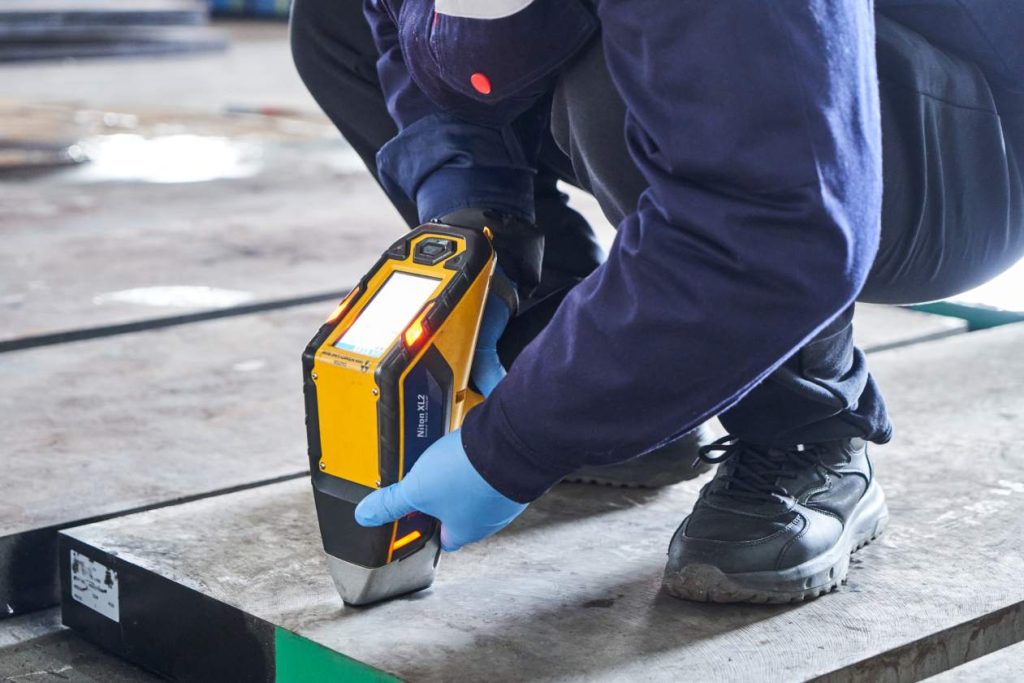
Tool steel and stainless steel belong to different categories, yet a few grades blur the line. D-type tool steels contain enough chromium to resist rust in mild conditions. This overlap sometimes leads buyers to think the two families can be used interchangeably. They cannot.
With 11–13% chromium, D2 tool steel is often called “semi-stainless.” This chromium level provides better corrosion resistance than plain carbon and low-alloy steels. It can handle humidity and mild corrosive environments without major rusting. However, it does not protect as well as true stainless steels. In wet or harsh chemical environments, D2 will corrode.
How Tool Steel Is Classified
Tool steel grades are grouped by the conditions they work in. Cold work tool steels cut and form at room temperature. Hot work tool steels resist softening at high temperatures. Plastic mold steels focus on polishability and toughness. Shock-resisting grades take impact without cracking. Each group serves a different purpose.
How Stainless Steel Is Classified
Stainless steel must contain at least 10.5% chromium. That threshold separates it from carbon steel. Metallurgists then sort stainless steels by crystal structure. Austenitic grades like 304 and 316 offer the best corrosion resistance. Ferritic grades like 430 cost less and machine more easily. Martensitic grades like 420 and 440 harden through heat treatment. Duplex grades combine austenitic and ferritic structures for high strength in marine settings.
When Tool Steel Can Also Be Stainless
A tool steel can be considered “stainless” only if it meets the 10.5% chromium minimum and maintains free chromium in the matrix. High carbon content in tool steels often ties up chromium in carbides, reducing its ability to form a passive layer. D2, for example, has 11–13% chromium but also 1.5% carbon, which consumes much of the chromium. That is why D2 is only semi-stainless. Some powder metallurgy tool steels with lower carbon and higher chromium can approach stainless behavior, but they are the exception.
Key Differences Between Tool Steel and Stainless Steel
Chemical Composition
Tool steel composition focuses on carbon and other elements that make it hard and wear-resistant. Most tool steels have little or no chromium. Stainless steel requires at least 10.5% chromium. This high chromium makes the steel about 200 times more resistant to rust than carbon steel.
Chromium fights rust by forming a thin protective layer on the metal’s surface. Even when D2 tool steel has 11–12% chromium, its high carbon content locks much of that chromium in carbides. Tool steel gives up rust protection to be as hard and durable as possible.
Stainless steels share one main feature: excellent rust resistance from high chromium (more than 10.5%) and low carbon (less than 1.2%). The lower carbon keeps chromium free, so the protective layer can repair itself after scratches.
Hardness and Wear Resistance
| Property | Tool Steel | Stainless Steel |
|---|---|---|
| Hardness (HRC) | 60–65+ | 20–30 |
| Tensile Strength | ≥ 2,145 N/mm² | ~770 N/mm² |
| Brittle Risk | High above HRC 58 | Low |
| Best Load Type | Wear, abrasion | Impact, shear |
D2 tool steel reaches 58–64 HRC, and M2 high-speed tool steel reaches 62–65 HRC. Common stainless steels like 304 and 316 measure about 20–30 HRC. Tool steel is much harder and resists wear better. But higher hardness also makes it more brittle. Stainless steel is tough and resists rust but is not as hard.
Corrosion Resistance
Corrosion resistance is the primary advantage of stainless steel. The chromium-rich passive layer forms spontaneously and repairs itself in the presence of oxygen. Tool steels generally lack this self-healing layer. In wet, salty, or chemical environments, tool steel will corrode unless protected. Stainless steel, especially grades 316 and duplex, withstands chlorides and acids that would quickly destroy tool steel.
Toughness and Machinability
Tool steel is generally more difficult to machine and grind because of its high hardness and carbide content. Stainless steel, particularly austenitic grades, is softer and more ductile, making it easier to form and machine. However, austenitic stainless steels work-harden rapidly. Ferritic and martensitic stainless steels machine more easily but offer lower corrosion resistance.
Applications: When to Choose Which
Tool Steel Applications
Die casting dies use hot work grades like H13 to stay hard through thousands of cycles. Aluminum extrusion tooling uses similar grades. Cold work jobs use D2 and O1 for stamping dies and forming tools. The cutlery industry picks tool steel for knife blades that need high edge retention. Common grades include D2, O1, CPM 3V, M4, and Cru-Wear.
Stainless Steel Applications
Stainless steel is the choice when rust matters. Food processing equipment must meet strict standards. Medical devices need cleanliness and rust resistance. Marine hardware in saltwater demands grade 316. Chemical equipment uses stainless steels to handle harsh media.
Overlap Applications
Some applications can use either family, depending on the dominant wear mechanism. Knife blades may use tool steel for edge retention or stainless steel for corrosion resistance. Parts exposed to both wear and moisture might use semi-stainless tool steels like D2, provided the environment is not too aggressive. However, true overlap is limited.
How to Choose the Right Material
Choose Tool Steel When
- You need maximum hardness and wear resistance.
- The application involves cutting, forming, or molding.
- Corrosion is not a primary concern, or the tool can be protected.
- You require high dimensional stability during heat treatment.
Choose Stainless Steel When
- Corrosion resistance is critical.
- The application requires good toughness and impact resistance.
- Cleanliness and hygiene are important.
- You need a material that can be easily formed or machined.
FAQs About Tool Steel and Stainless Steel
Is tool steel the same as stainless steel?
No. Tool steel is designed for hardness and wear resistance, while stainless steel is designed for corrosion resistance. Some tool steels, like D2, are semi-stainless, but they are not true stainless steels.
Can tool steel be stainless?
A tool steel can be stainless if it contains at least 10.5% chromium and maintains enough free chromium. However, most tool steels have high carbon content that consumes chromium, so they are not fully stainless.
Is stainless steel harder than tool steel?
No. Tool steel typically reaches 60–65 HRC, while common stainless steels like 304 and 316 measure 20–30 HRC. Martensitic stainless steels can be hardened, but they rarely match tool steel’s peak hardness.
Which is better for knives: tool steel or stainless steel?
It depends on use. Tool steel offers superior edge retention. Stainless steel offers better corrosion resistance and easier maintenance. Many modern knife steels blend both properties.
Which is more expensive: tool steel or stainless steel?
Tool steel is generally more expensive than common stainless steels due to higher alloy content and complex heat treatment. Specialty stainless steels like 316 can also be costly.