
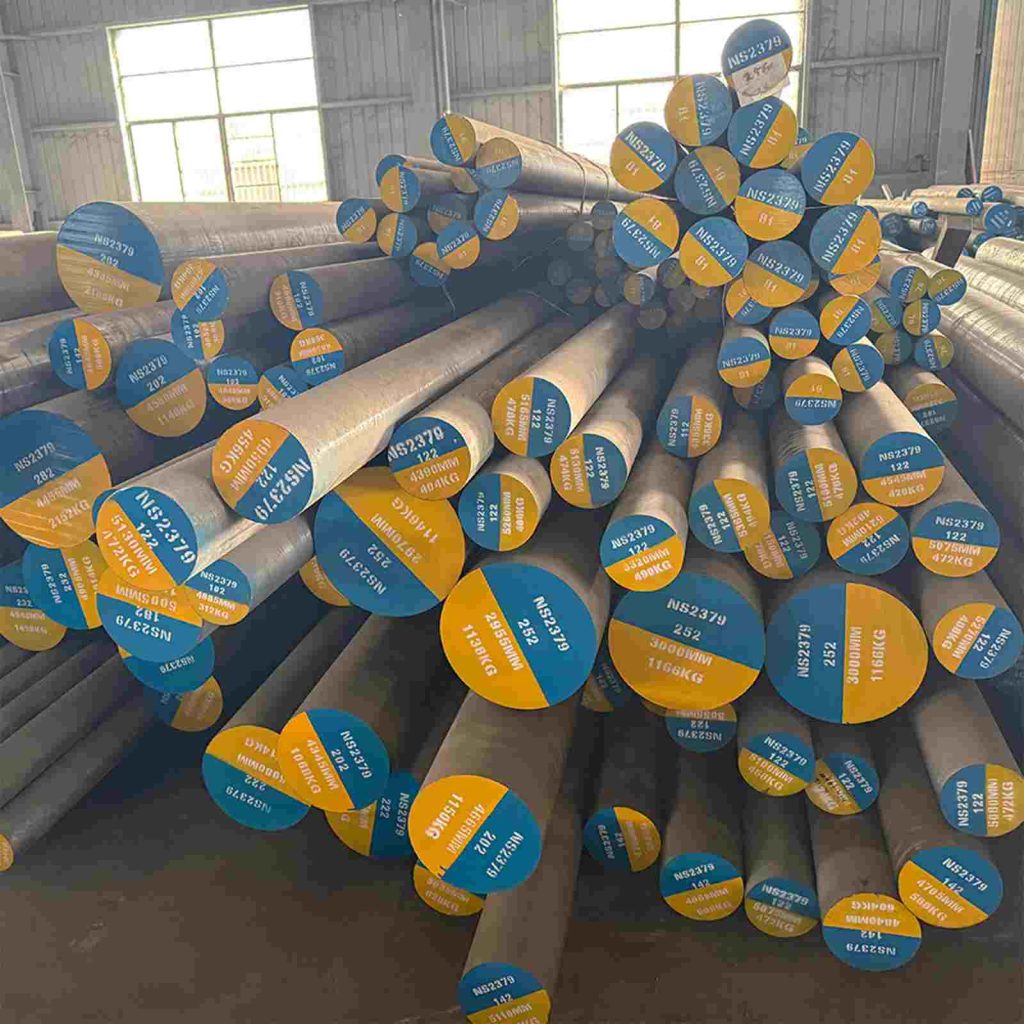
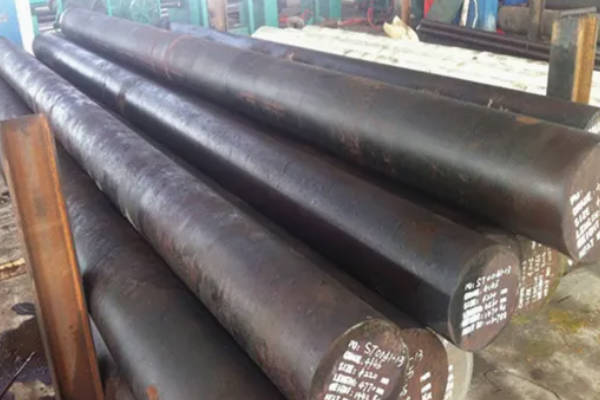
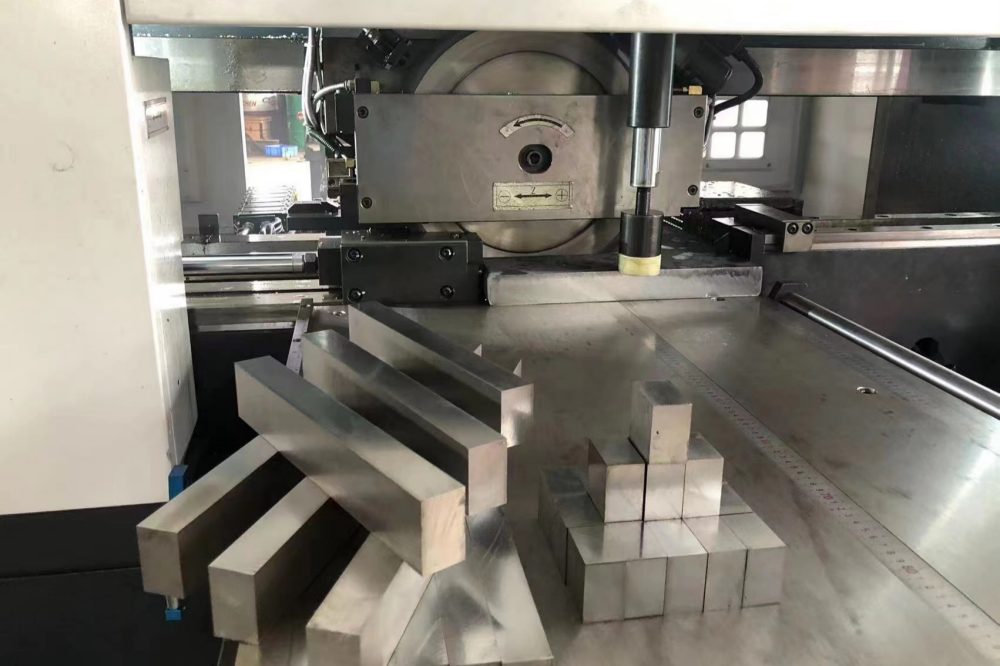
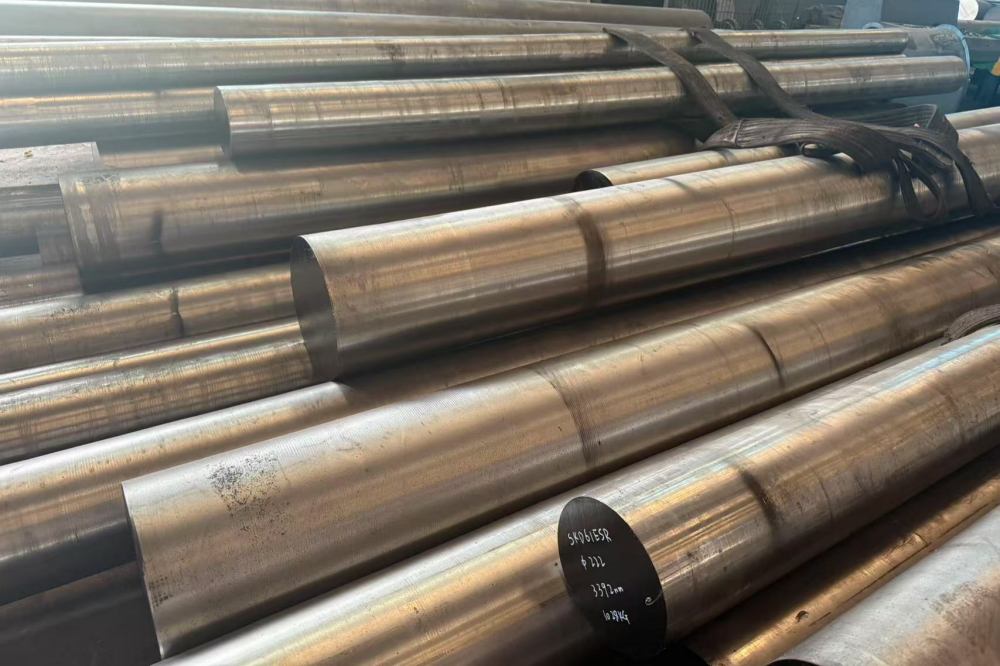

There is no universal answer to whether D2 or 4140 is “better”, as the two grades belong to entirely different steel categories engineered for distinct working scenarios. D2 is a high-carbon, high-chromium cold work tool steel built for extreme surface hardness and abrasion resistance, while 4140 is a versatile chromium-molybdenum structural alloy steel balanced for strength and toughness. D2 excels at wear-critical cutting and forming tooling, while 4140 outperforms in load-bearing mechanical components. The optimal choice always depends on specific application requirements.
Key Takeaways
- D2 tool steel is a high-carbon, high-chromium cold work grade optimized for extreme wear resistance and surface hardness, designed for precision cutting and forming tooling.
- 4140 is a general-purpose chromium-molybdenum structural alloy steel, delivering a balanced mix of strength and toughness for heavy-load mechanical components.
- D2 provides significantly higher hardness and abrasion resistance than 4140 due to its carbide-rich microstructure, but it has lower impact toughness and is more difficult to machine, weld, and heat treat.
- 4140 offers superior toughness, machinability, and versatility in heat treatment compared to D2, but it cannot match D2 in high-wear, precision tooling applications.
- No grade is universally superior: selection should be driven by whether the application prioritizes wear service life or impact resistance and structural load capacity.
D2 Tool Steel vs. 4140 Steel: Key Differences

The performance gap between D2 and 4140 stems from their fundamentally different design objectives. D2 is classified as a cold work tool steel, formulated to maintain sharp edges and precise geometry under abrasive sliding wear at room temperature. 4140 is an engineering structural alloy steel, formulated to withstand static and cyclic mechanical loads without fracture or permanent deformation.
Chemical Composition
The difference in alloy formula is the root cause of their divergent performance. D2 relies on high carbon and high chromium to form hard carbide particles for wear resistance, while 4140 uses moderate carbon paired with manganese and molybdenum to balance strength and toughness.
| Element | D2 Tool Steel (% wt) | 4140 Alloy Steel (% wt) | Performance Impact |
|---|---|---|---|
| Carbon (C) | 1.40–1.60 | 0.38–0.43 | Gives D2 ultra-high hardness and carbide volume; keeps 4140 ductile and tough |
| Chromium (Cr) | 11.00–13.00 | 0.80–1.10 | Forms hard chromium carbides in D2 for abrasion resistance; improves hardenability in 4140 |
| Molybdenum (Mo) | 0.70–1.20 | 0.15–0.25 | Enhances tempering stability and through-hardening for both grades |
| Manganese (Mn) | ≤0.60 | 0.75–1.00 | Improves hardenability and structural strength in 4140 |
| Vanadium (V) | ≤1.10 | Not specified | Refines grain structure and boosts wear resistance in D2 |
| Phosphorus / Sulfur | ≤0.030 / ≤0.030 | ≤0.035 / ≤0.040 | Controlled as impurities to ensure material toughness |
Mechanical Properties
After standard heat treatment, the two grades show clear differentiation in hardness, wear resistance and impact toughness, matching their respective application positioning.
Hardness & Strength
D2 achieves significantly higher surface hardness to retain cutting edges and die geometry. 4140 offers a wider adjustable hardness range to match different structural load requirements.
| Property | D2 Tool Steel | 4140 Alloy Steel |
|---|---|---|
| Working Hardness | 58–62 HRC (quenched & tempered) | 28–45 HRC (quenched & tempered); up to 65 HRC with surface hardening |
| Tensile Strength | 1400–2200 MPa | 850–1400 MPa |
| Yield Strength | High, hardness-focused | 600–1100 MPa |
Wear Resistance
D2 has vastly superior abrasion resistance, which is its defining advantage. The high volume of hard chromium carbides in its matrix resists material loss from repeated sliding friction, making it ideal for long-production-run dies and cutting tools. 4140 provides only moderate wear resistance, sufficient for general structural friction but unsuitable for high-abrasion tooling applications.
Toughness & Impact Resistance
This is the most critical performance trade-off between the two grades:
- D2 has low impact toughness due to its high carbide content. It is prone to chipping and brittle fracture under heavy shock loads, and is not suitable for high-impact working conditions.
- 4140 delivers excellent impact toughness and bending resistance after proper quenching and tempering, withstanding cyclic and shock loads reliably, which makes it the standard choice for structural components.
D2 vs. 4140 Performance Comparison
Machinability & Heat Treatment
- Machinability: D2 is difficult to machine in its hardened state, causing high cutting tool wear and longer processing time. It is typically rough-machined in annealed condition before final heat treatment. 4140 has good machinability in the annealed state and moderate machinability after tempering, compatible with standard CNC machining processes for lower overall fabrication costs.
- Heat Treatment: D2 requires precise vacuum quenching and multiple tempering cycles to achieve target hardness while minimizing cracking and deformation risk. 4140 has flexible heat treatment options including annealing, normalizing, quenching & tempering, and induction surface hardening, allowing adjustable performance for different component needs.
Weldability
- D2 has very poor weldability. Its high carbon and chromium content leads to high crack sensitivity during welding; successful welding requires strict preheating (300–400°C) and immediate post-weld tempering. Mechanical fastening or brazing is generally preferred over welding for D2 repairs.
- 4140 has moderate weldability. With proper preheating (150–250°C) and post-weld stress relief tempering, it can produce reliable, high-strength welded joints.
Applications of D2 and 4140 Steel
Typical Industrial Applications
D2 Tool Steel

D2 is selected exclusively for room-temperature, wear-critical tooling:
- Blanking, punching and forming dies for sheet metal
- Industrial shear blades, slitting knives and woodworking cutters
- Thread rolling dies and cold heading dies
- Wear plates, guide bushings and precision gauges
- Industrial fixed-blade knife edges
4140 Alloy Steel
4140 is used for load-bearing mechanical components requiring strength and toughness:
- Gears, crankshafts, camshafts and axle shafts for automotive and machinery
- Hydraulic cylinders, fasteners, pins and linkages
- Construction and agricultural equipment structural parts
- Oil and gas downhole tool components
- General-purpose machine structural frames and brackets
Interchangeability Guide
The two grades are not interchangeable in most applications.
D2 may only replace 4140 in small, purely wear-dominated components with no significant impact load, where extended wear life is the sole priority. For structural parts subject to impact, bending or cyclic loading, D2 must not be used as a substitute, as its brittleness will lead to sudden catastrophic fracture.
Conversely, 4140 cannot replace D2 in high-abrasion die or cutting tool applications, as it will wear rapidly and lose dimensional accuracy.
Cost Comparison
| Cost Factor | D2 Tool Steel | 4140 Alloy Steel |
|---|---|---|
| Raw material cost | Higher | Lower |
| Machining & fabrication cost | Higher | Lower |
| Service life under abrasive wear | Much longer | Moderate |
| Optimal cost scenario | Long-life precision tooling | Mass-produced structural components |
Selecting the correct grade delivers the lowest total cost of ownership: D2 reduces tool replacement frequency for high-volume production, while 4140 minimizes material and processing costs for general structural parts.
Conclusion
Neither D2 tool steel nor 4140 is universally better — each is optimized for a distinct set of industrial applications. D2 is irreplaceable for high-wear, high-precision cold work tooling where edge retention and dimensional accuracy are priorities, while 4140 is the cost-effective choice for structural components requiring a balance of strength and impact toughness.
FAQ
What is the main difference between D2 tool steel and 4140 steel?
The core difference lies in their material category and design purpose. D2 is a cold work tool steel with very high carbon and chromium content, engineered for high hardness and wear resistance in cutting and forming tooling. 4140 is a structural alloy steel with balanced strength and toughness, designed for load-bearing mechanical components.
Can you weld D2 tool steel and 4140 steel?
Welding D2 tool steel is highly difficult due to its high crack sensitivity; it requires strict preheating and immediate post-weld tempering, and is generally not recommended for critical load-bearing parts. 4140 has moderate weldability: with proper preheating and post-weld stress relief, it can achieve reliable welded joint strength.
Which steel is better for industrial cutting knives?
D2 tool steel is the superior choice for industrial cutting knife blades. Its 58–62 HRC hardness and excellent wear retention allow it to hold a sharp cutting edge far longer than 4140. 4140 is better suited for knife handles and structural components that require impact resistance.
Is 4140 steel good for heavy machinery structural parts?
Yes. After quenching and tempering, 4140 delivers a well-balanced combination of tensile strength and impact toughness, making it a standard industry grade for heavy machinery shafts, gears, pins and linkages subject to cyclic and impact loads.