

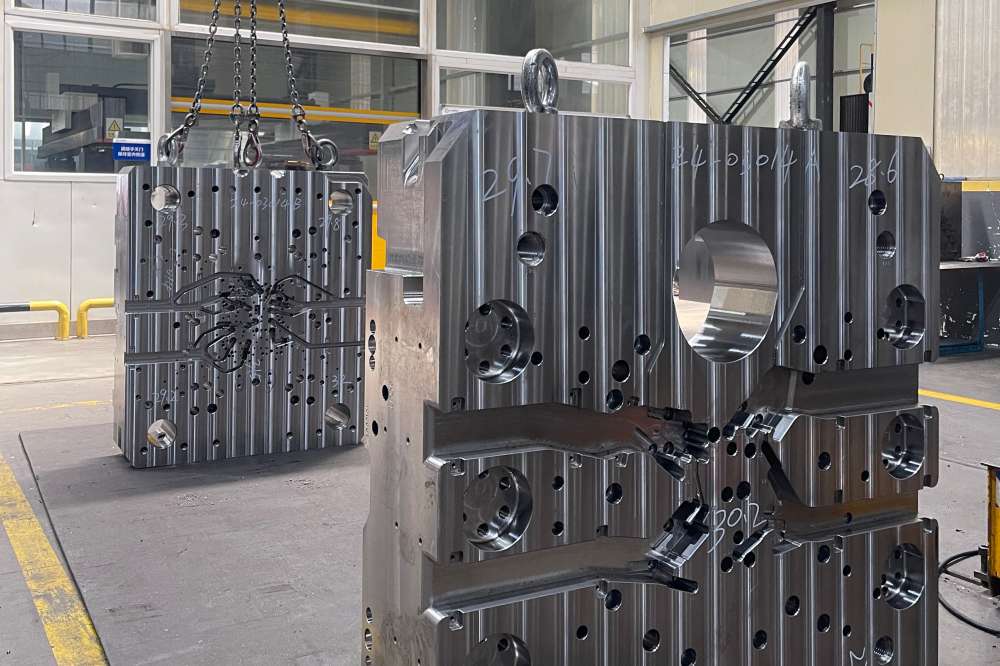
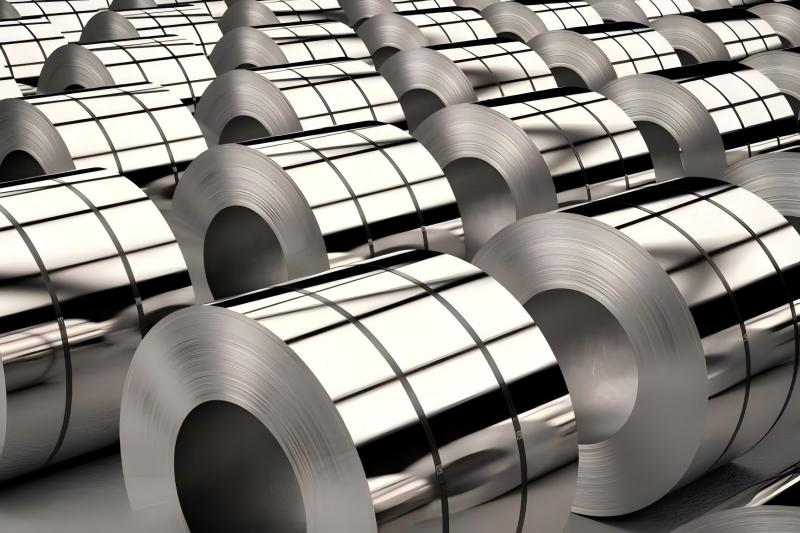
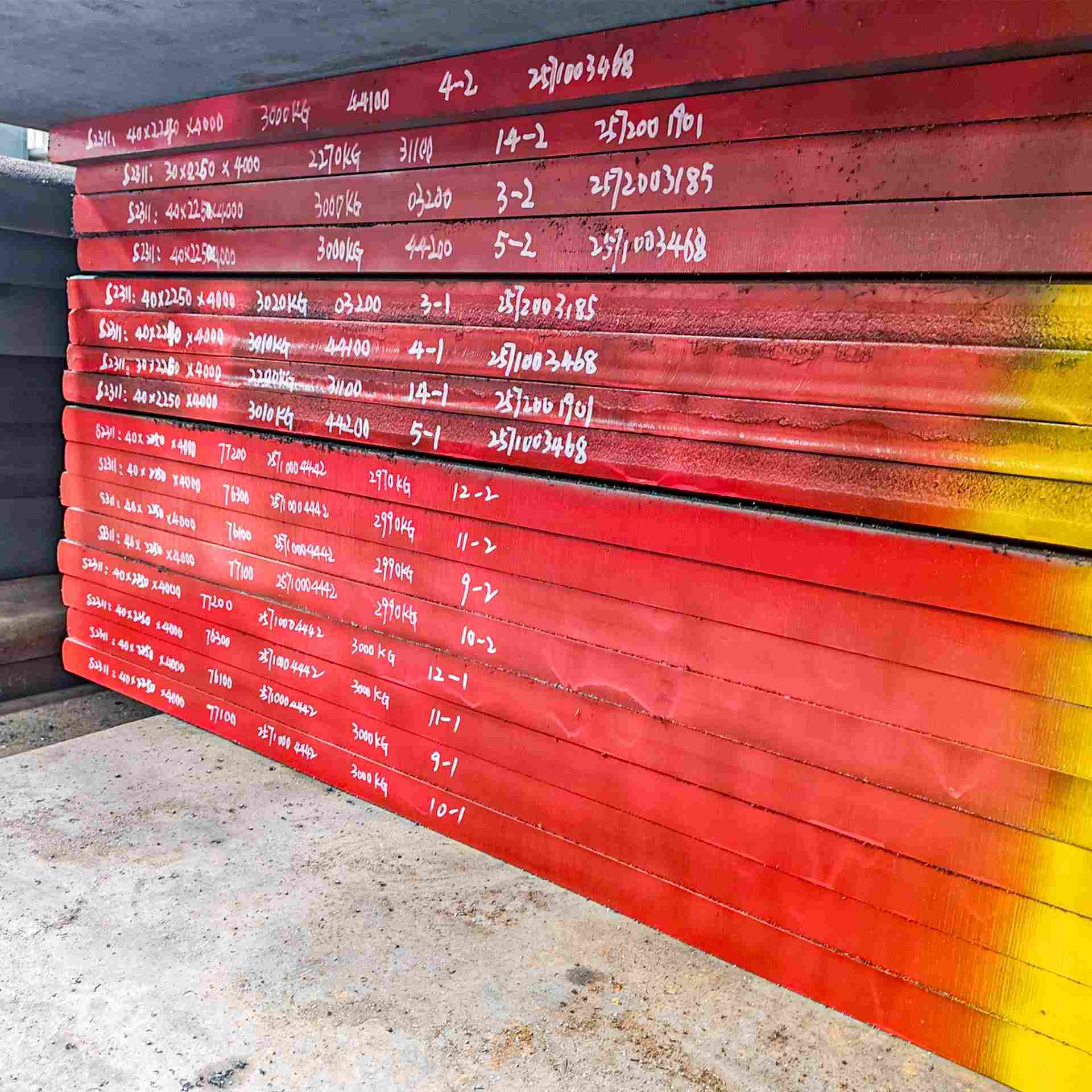
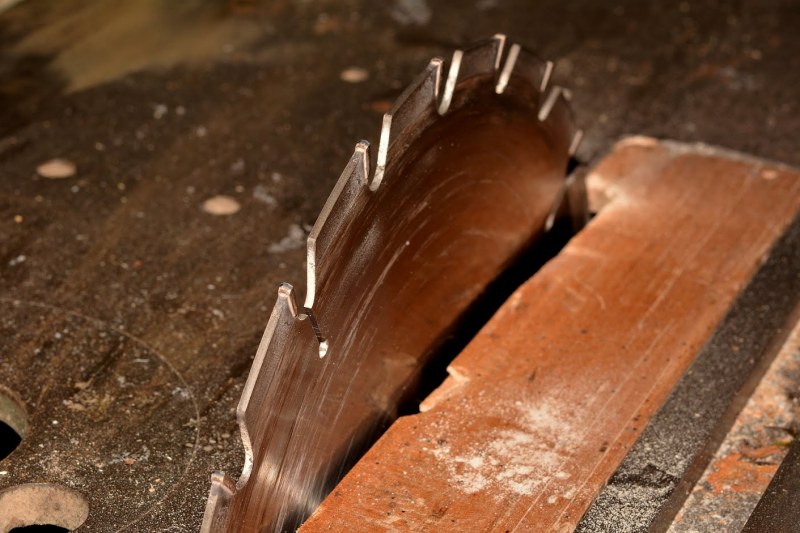

Steel, stainless steel and aluminum alloys are the three most widely recommended materials for mould bases, each optimized for distinct production scenarios. As the load-bearing structural foundation of a mould, the mould base material directly impacts tooling durability, dimensional accuracy, production efficiency and total lifecycle cost. Standard carbon steel is the universal choice for most mass production moulds due to its high strength and cost-effectiveness; stainless steel is preferred for corrosive and high-humidity environments; and aluminum alloys are selected for fast-cycle prototyping and lightweight tooling.
Key Takeaways
- Carbon steel is the standard mould base material, delivering high strength and wear resistance for high-precision, long-run production moulds.
- Stainless steel mould bases offer excellent corrosion resistance and long service life, ideal for medical, food packaging and high-humidity workshop environments.
- Aluminum alloy mould bases are lightweight with superior thermal conductivity, shortening moulding cycles for small-batch production and prototyping.
- Selecting the right mould base material improves production efficiency, extends tooling service life and reduces long-term operating costs.
- NSPM provides professional material selection guidance and custom mould base fabrication tailored to specific project needs.
Recommended Mould Base Materials

Carbon Steel
Carbon steel and low-alloy steel are the most common and cost-effective choices for standard mould bases, balancing structural strength, machinability and durability for the majority of injection moulding and die casting applications.
Representative grades include A36 hot rolled steel for low-demand, small-batch tooling, and 1045 / S50C medium carbon steel for standard mass production mould bases. For high-precision moulds requiring tight dimensional stability, pre-hardened grades such as P20 are used to minimize heat treatment deformation after machining.
| Grade | Key Properties | Typical Applications |
|---|---|---|
| A36 / 1045 | Good machinability, moderate strength, low cost | Standard mould bases for general injection moulding |
| P20 Pre-hardened | Uniform hardness, excellent dimensional stability | High-precision mould bases for medium to large production runs |
| S7 | High impact toughness | Heavily loaded mould base components for heavy-duty forming |
Stainless Steel
Stainless steel mould bases are designed for harsh, moisture-rich or chemically corrosive production environments. Grades such as modified 420 stainless form a self-healing chromium oxide passive layer on the surface, preventing rust and pitting caused by humid workshop conditions or corrosive gas released from resins like PVC and flame-retardant plastics.
This material category is widely specified for medical device, pharmaceutical and food packaging moulds, where cleanliness and low maintenance are priorities. While upfront material cost is higher, stainless steel mould bases require less repair and deliver significantly longer service life in corrosive conditions.
Aluminum Alloys
Aluminum alloy mould bases offer exceptional thermal conductivity and low weight, making them a popular choice for fast-cycle production and prototyping. Common grades include 6061-T6 and 7075, which enable faster heat dissipation during the moulding process, shortening cycle times and improving production output.
Their lightweight nature also reduces wear on moulding machines and simplifies manual handling. Aluminum mould bases are best suited for small to medium precision moulds, prototype tooling and low to medium production runs. They are not recommended for high-pressure, high-wear long-run production due to lower surface hardness compared to steel.
Performance Comparison of Common Mould Base Materials
| Performance Index | Carbon Steel | Stainless Steel | Aluminum Alloy |
|---|---|---|---|
| Structural Strength | High | High | Moderate |
| Wear Resistance | Good | Very Good | Fair |
| Corrosion Resistance | Poor | Excellent | Good |
| Thermal Conductivity | Moderate | Moderate | Excellent |
| Machinability | Good | Moderate | Excellent |
| Upfront Cost | Low-Medium | High | Medium |
| Best Fit | General mass production | Corrosive / high-humidity environments | Prototyping, fast-cycle small batches |
Selection Guide for Mould Base Materials

Choosing the optimal mould base material depends on four core project factors:
- Production volume and service life For long-run mass production, carbon steel or pre-hardened steel mould bases are the most cost-effective choice for durability. For short-run prototyping and trial production, aluminum alloy mould bases reduce lead time and upfront cost.
- Working environment and resin type For moulds processing corrosive resins (PVC, flame-retardant plastics) or operating in high-humidity workshops, stainless steel mould bases are recommended to avoid rust and pitting damage.
- Precision requirement High-precision moulds with tight dimensional tolerances should use pre-hardened steel mould bases for minimal machining deformation and stable long-term accuracy.
- Total cost budget Balance upfront material and machining cost against expected service life and maintenance frequency. Carbon steel offers the lowest total cost for standard production, while stainless steel delivers better lifecycle economics in harsh environments.
Conclusion
Carbon steel, stainless steel and aluminum alloys are the three core recommended mould base materials, with no universally superior option — each excels in its target application scenario. Carbon steel is the workhorse standard for mass production, stainless steel delivers unmatched corrosion resistance for harsh environments, and aluminum enables fast, lightweight prototyping and short-run production.
As an experienced mould base supplier, NSPM supports customers through the full material selection process. Our engineering team evaluates your production volume, resin type, precision standard and budget to recommend the most suitable material, with full custom machining capabilities to deliver ready-to-assemble mould bases in all three material categories. We implement strict dimensional inspection and material traceability for every order to ensure consistent quality.
FAQ
What is the most durable material for a mould base?
Carbon steel (especially quenched & tempered medium carbon steel) offers the best structural durability for standard production environments, maintaining shape and accuracy through hundreds of thousands of moulding cycles. In corrosive or high-humidity conditions, stainless steel is the most durable option by resisting rust and chemical degradation.
Why do some industries prefer stainless steel mould bases?
Stainless steel mould bases resist rust and chemical attack from corrosive resin emissions, making them the standard choice for medical, pharmaceutical and food packaging moulds. They also require less routine maintenance, reduce downtime for surface repair, and deliver longer service life in wet or harsh production environments.
When should someone choose an aluminum mould base?
Aluminium mould bases are ideal for product prototyping, small-batch production and fast-cycle manufacturing. Their high thermal conductivity shortens cooling time to speed up production, and their light weight simplifies handling and reduces machine wear. They are also commonly used for consumer electronics and home appliance prototype moulds.
How does NSPM help customers select the right mould base material?
NSPM’s technical team evaluates each project’s specific requirements — including production volume, resin type, working environment, precision standard and budget — to recommend the optimal material solution. We also provide full custom machining, heat treatment and quality inspection services to deliver mould bases ready for direct assembly.