


Mould bases are the structural foundation of every injection mould and die casting system, responsible for supporting, aligning and housing all internal cavity and functional components. They are primarily categorized by standardization level into standard mould bases and custom mould bases, with further structural variants such as two-plate, three-plate, hot runner and interchangeable insert designs to match different production requirements. Selecting the right mould base type directly impacts production efficiency, part quality, tooling lifespan and total manufacturing cost.
As a professional precision mould base manufacturer, Ningshing Precision Machinery (NSPM) supplies all mainstream types of mould bases for injection moulding and die casting applications, with both standard off-the-shelf specifications and fully custom engineered solutions.
Key Takeaways
- Mould bases are broadly classified into two core categories by standardization: standard mould bases and custom mould bases.
- Standard mould bases include structural variants such as two-plate, three-plate, hot runner and interchangeable insert designs, each optimized for specific production scenarios.
- Standard mould bases offer short lead times and low cost for mass production, while custom mould bases accommodate complex part geometries and special process requirements.
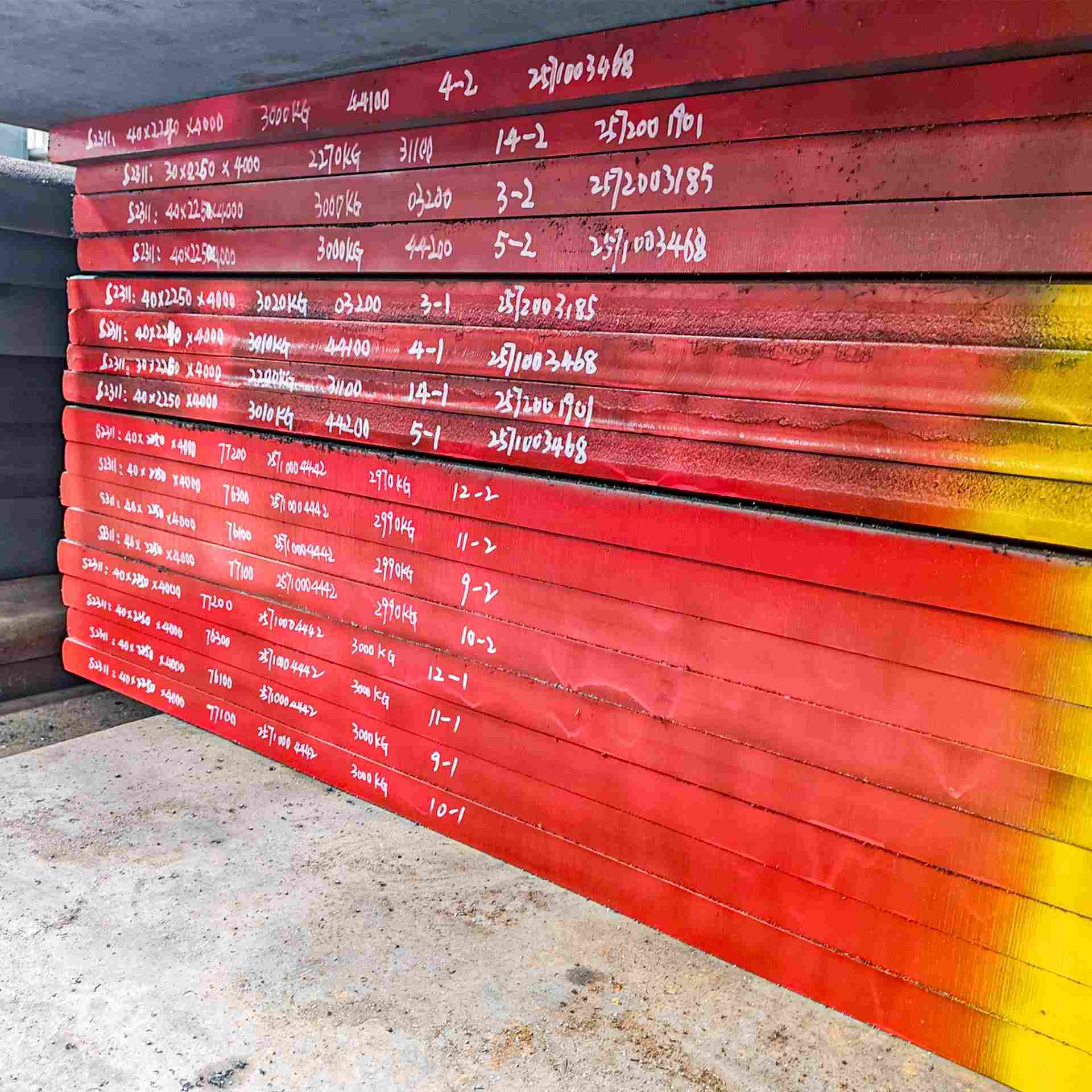
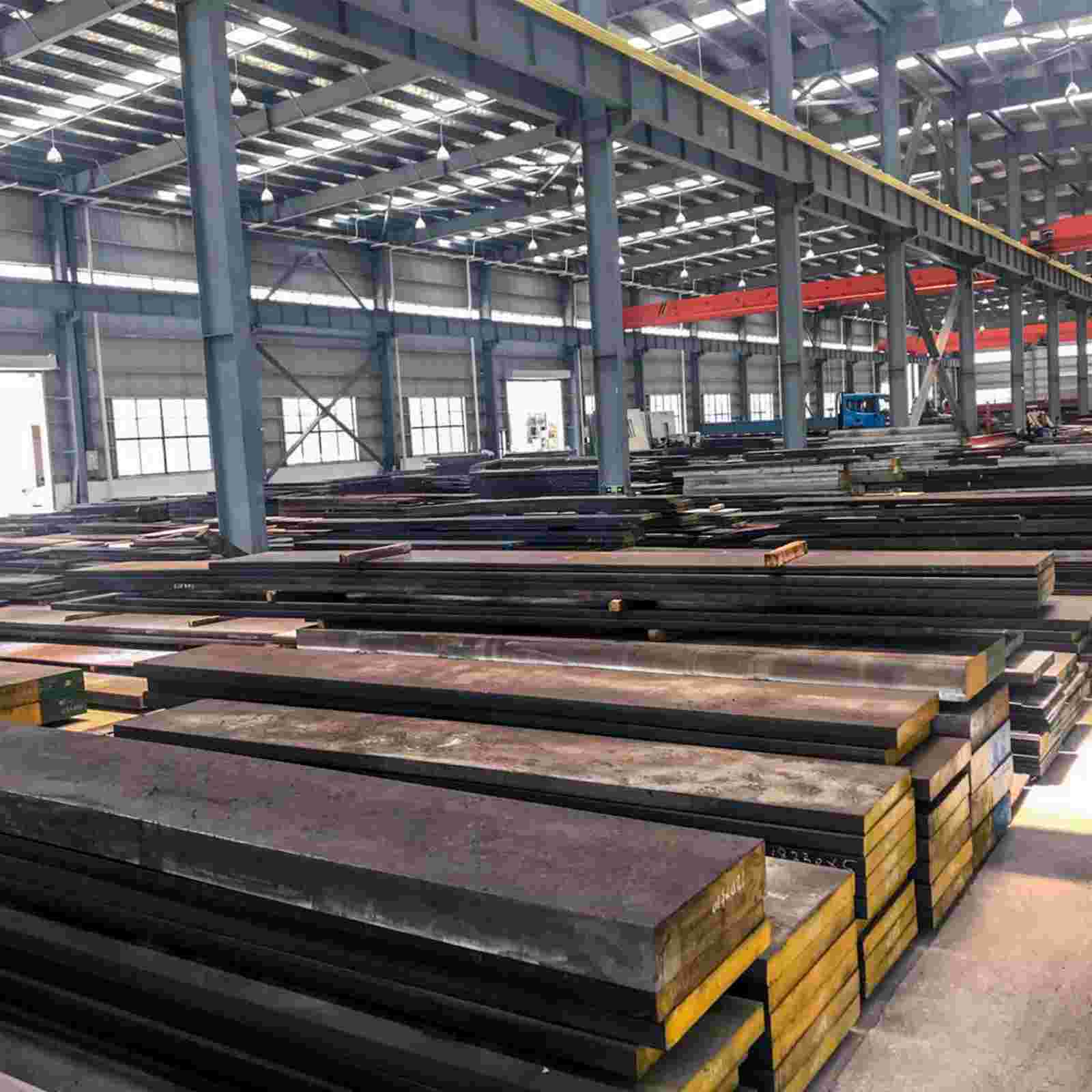
- Common mould base structural materials include S50C carbon steel, P20 pre-hardened steel, 420 stainless steel and aluminum alloy, selected based on production volume and working environment.
- NSPM provides full-spectrum mould base solutions with strict dimensional tolerance control, helping customers match the optimal type to their project needs.
Standard Mould Bases

Standard mould bases are manufactured to unified industry dimensional specifications (such as DME, HASCO and Futaba standards), with pre-machined mounting holes, guide pin assemblies and ejector system layouts. They are the most widely used option for conventional production, as they eliminate the need for full custom structural design and reduce tooling development lead time.
Two-Plate Mould Base
The two-plate design is the simplest and most common standard mould base, consisting of one parting line between the cavity and core halves. The finished part and cold runner system eject together when the mould opens.
- Core features: Simple structure, high reliability, low manufacturing cost
- Best for: Single-gate or edge-gate parts, medium to large volume production of simple to moderately complex components
Three-Plate Mould Base
Three-plate mould bases add a floating stripper plate between the top clamp plate and cavity plate, creating two parting lines. When the mould opens, the runner and finished part separate automatically at different parting planes.
- Core features: Enables automatic degating with point gate designs; eliminates manual runner trimming
- Best for: Multi-cavity moulds, parts requiring central point gating, and high-volume automated production
Hot Runner Mould Base
Hot runner mould bases integrate a heated manifold system that keeps molten plastic in a liquid state throughout the runner channels, eliminating solid cold runner waste. Material is delivered directly into each cavity with controlled temperature and pressure.
- Core features: Zero cold runner scrap, shorter cycle times (only the part needs cooling), improved part surface quality
- Best for: High-volume mass production, materials with high material costs, and projects prioritizing material efficiency and automation
Interchangeable Insert Mould Base
This modular standard mould base design uses a universal frame with replaceable cavity and core inserts. Manufacturers can swap inserts quickly to produce different parts without replacing the entire mould base.
- Core features: Fast product changeover, reduced total tooling investment for multi-part portfolios
- Best for: Low-to-medium volume production, prototyping, and product lines with frequent design iterations
Custom Mould Bases

Custom mould bases are fully engineered to match unique part geometries, special process requirements or non-standard production conditions that fall outside standard specification ranges.
Core Customization Options
- Non-standard dimensions: Custom plate sizes up to 1500mm × 2500mm to accommodate large or irregular part layouts
- Material selection: Tailored structural material grades based on load, corrosion and temperature requirements
- Specialized systems: Custom cooling circuit layouts, guided ejection systems, venting structures and hot runner integration for complex parts
- Precision tuning: Critical fitting surfaces machined to ±0.01–0.02 mm tolerance for high-precision applications
Key Advantages & Applications
Custom mould bases deliver optimized structural rigidity and process performance for demanding projects. They are the standard choice for industries with strict quality and regulatory requirements:
- Automotive: Large dashboard, interior trim and engine component moulds
- Medical: Cleanroom-grade precision medical device moulds with strict dimensional standards
- Aerospace: High-strength structural component moulds requiring exceptional dimensional stability
- Complex industrial parts: Multi-cavity, unscrewing and special ejection system moulds
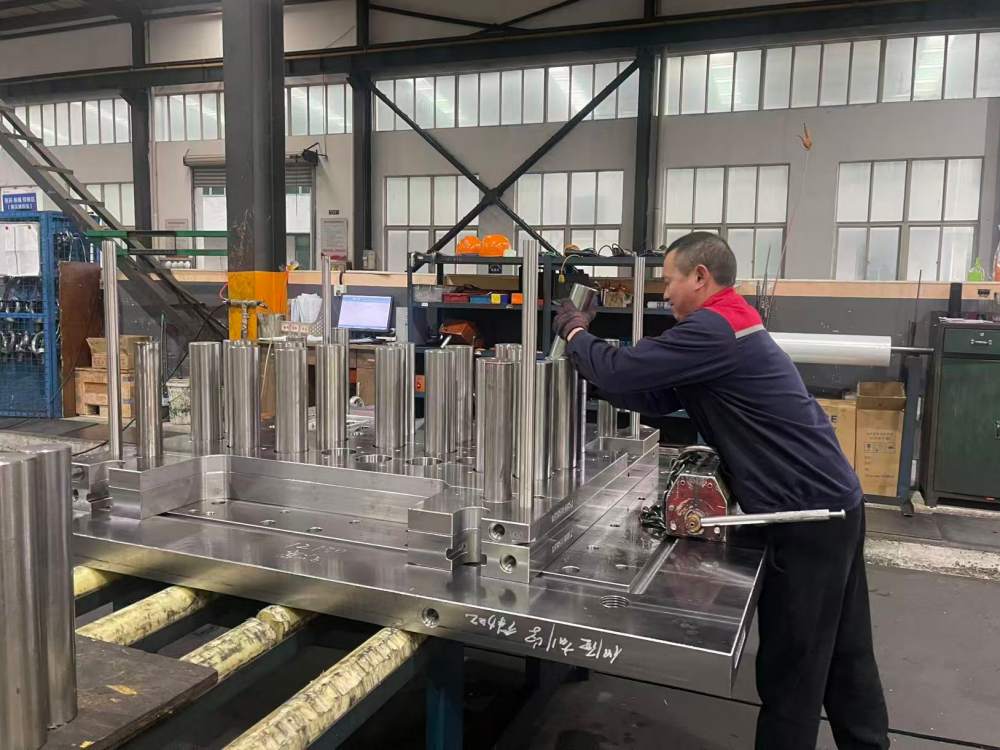
NSPM’s engineering team works closely with customers to design custom mould bases that match exact part and process requirements, with full CNC precision machining and pre-shipment dimensional inspection.
How to Choose the Right Mould Base Type
Selecting the optimal mould base depends on five core decision factors:
- Production volume For high-volume mass production, standard two-plate or hot runner mould bases deliver the lowest per-part cost. For low-volume prototyping and frequent design changes, interchangeable insert or aluminium mould bases are more cost-effective.
- Part geometry and gating requirements Simple edge-gated parts use two-plate designs; central point-gated and multi-cavity parts use three-plate designs; complex high-precision parts require custom engineered solutions.
- Material cost and waste targets For expensive engineering plastics, hot runner mould bases eliminate runner scrap to deliver significant long-term material savings.
- Precision and regulatory requirements Medical, aerospace and safety-critical automotive parts typically require custom mould bases with tighter tolerance control and certified material traceability.
- Project lead time and budget Standard mould bases have shorter lead times and lower upfront cost; custom mould bases require longer engineering and machining time but deliver optimized long-term performance.
Conclusion
The different types of mould bases — standard and custom, with structural variants including two-plate, three-plate, hot runner and interchangeable insert designs — each serve distinct production scenarios with unique advantages in cost, lead time, precision and efficiency. There is no universally superior option; the optimal choice depends on specific production volume, part design, quality requirements and budget constraints.
Selecting the right mould base type and material directly extends tool service life, improves production efficiency and reduces total manufacturing cost. As a reliable precision mould base supplier, NSPM provides both standard off-the-shelf and fully custom mould base solutions, with professional technical support to help customers select the optimal configuration for every project.
FAQ
What are the main categories of mould bases?
Mould bases are primarily divided into standard mould bases and custom mould bases by level of standardization. Standard mould bases are further broken down by structure into two-plate, three-plate, hot runner and interchangeable insert designs to suit different production processes.
What is the most commonly used mould base type?
The two-plate mould base is the most widely used standard design, thanks to its simple structure, high reliability and low cost. It is suitable for the majority of conventional injection moulding applications with edge or side gating.
When should a hot runner mould base be used?
Hot runner mould bases are preferred for high-volume mass production, especially when processing high-cost plastic materials. They eliminate cold runner waste, shorten cycle times and support fully automated production, delivering significant total cost savings over long production runs.
What is the benefit of an interchangeable insert mould base?
Interchangeable insert mould bases allow manufacturers to produce multiple different parts using a single mould base frame by swapping cavity and core inserts. This reduces total tooling investment and speeds up product changeover, making it ideal for multi-product low-volume production and prototyping.
What materials are standard for mould base construction?
Standard mould base structural materials include S50C carbon steel for general use, P20 pre-hardened steel for high-precision applications, 420 stainless steel for corrosion resistance, and aluminum alloy for prototyping and fast-cycle projects.