
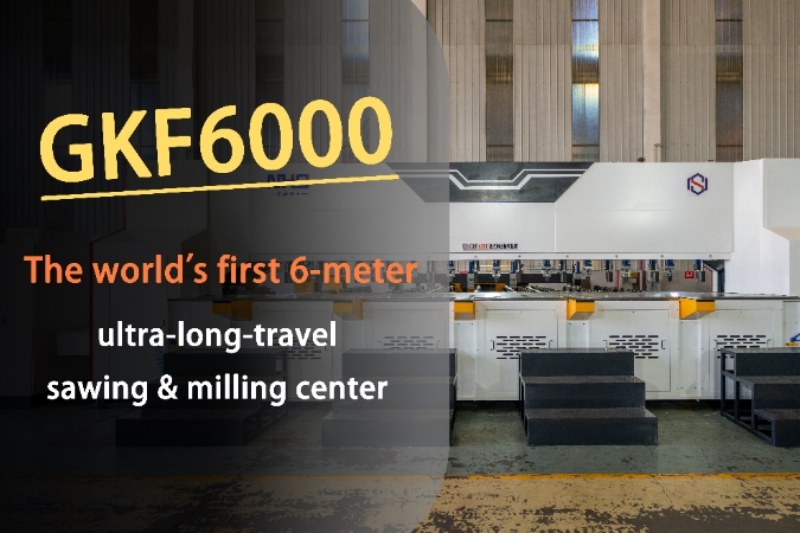

The optimal method for cutting thick metal depends on material type, cross-section shape, required precision and production volume. For general thick plate profile cutting, oxy-fuel and plasma are the most common industrial solutions; for high-volume straight cutting of solid bars, tubes and structural profiles, CNC circular sawing machines deliver the best balance of speed, precision and total cost. As a professional manufacturer of industrial steel processing equipment, NHC CNC circular sawing machines are engineered for high-volume thick metal production, delivering stable, repeatable cutting performance for steel service centers, automotive component factories, forging plants and heavy equipment manufacturers.
Key Takeaways
- There is no universal best thick metal cutting method; the right choice depends on part geometry, production volume and tolerance requirements.
- For high-volume straight cutting of thick steel bars, tubes and profiles, CNC circular sawing machines offer the highest efficiency, best cut finish and lowest per-piece cost.
- Oxy-fuel and plasma cutting suit irregular shape cutting on very thick steel plates, but produce a heat-affected zone and require secondary finishing.
- Waterjet cutting delivers heat-free precision cuts but has slower cycle times, making it best for low-volume, high-tolerance jobs.
- NHC circular sawing machines achieve tight dimensional accuracy and burr-free cut faces, eliminating secondary milling operations and reducing overall production lead time.
Common Industrial Methods for Thick Metal Cutting
Below are the five mainstream industrial thick metal cutting processes, with core differences in application scenarios, performance and cost:
| Cutting Method | Effective Thickness Range | Core Advantages | Key Limitations | Primary Applications |
|---|---|---|---|---|
| CNC Circular Sawing | Up to 80–150mm solid bar / heavy-wall tube (varies by model) | Fast cycle times, tight tolerances, smooth cut face, low per-piece cost | Limited to straight cuts; not for irregular shapes | High-volume straight cutting of steel bars, tubes and profiles |
| Plasma Cutting | Up to 100mm carbon steel | Fast cutting speed, cuts complex shapes, works on most conductive metals | Rough cut edges, noticeable heat-affected zone, high secondary finishing cost | Irregular shape cutting on medium-thick steel plates |
| Oxy-Fuel Cutting | 50mm to several hundred mm carbon steel | Cuts very thick steel, low equipment cost, portable for on-site work | Only works on ferrous metals, large heat-affected zone, low precision | Heavy plate rough cutting, structural steel fabrication, on-site demolition |
| Waterjet Cutting | Up to 150mm+ steel | No heat distortion, ultra-high precision, cuts almost any material | Slow cutting speed, high operating and maintenance cost | Low-volume high-precision parts, heat-sensitive materials |
| Laser Cutting | Up to 25–40mm steel | Highest precision, narrow kerf, fully automated | Poor performance on very thick material, high upfront investment | High-precision thin-to-medium thickness sheet metal parts |
Oxy-Fuel Cutting
Oxy-fuel cutting uses a high-temperature flame to oxidize and melt steel. It is the most cost-effective option for very thick carbon steel plate cutting, especially for on-site structural work. However, it produces a wide heat-affected zone, rough cut edges and significant slag, almost always requiring grinding or machining afterwards. It cannot cut stainless steel, aluminum or other non-ferrous metals.
Plasma Cutting
Plasma cutting uses a high-velocity ionized gas arc to melt and blow away metal. It works on all conductive metals and cuts complex shapes much faster than oxy-fuel. It is widely used for medium-thick steel plate profile cutting in fabrication shops. Cut quality is better than oxy-fuel but still leaves a heat-affected zone and slight edge taper, and fume extraction is required for safe operation.
Waterjet Cutting
Waterjet cutting forces abrasive-laden high-pressure water through a tiny nozzle to erode material. Its biggest advantage is zero heat input, so there is no thermal distortion, material hardening or heat-affected zone. It delivers very high precision for complex shapes, but slow cutting speeds and high consumable costs make it uneconomical for high-volume production.
Laser Cutting
Fiber laser cutting offers the highest precision and narrowest kerf for thin-to-medium thickness metal. It is highly automated and produces very clean edges. However, cutting speed drops sharply as material thickness increases, and it is not cost-competitive for thick steel sections above 40mm.
CNC Circular Sawing Machines

Unlike profile cutting processes, CNC circular sawing machines specialize in high-speed straight cut-off of solid bars, tubes and structural profiles. They use a rotating toothed blade to shear through material with high repeatability. For mass production of fixed-length steel blanks, they outperform all other methods in overall efficiency and finish quality.
Why CNC Circular Sawing Machines Excel at High-Volume Thick Metal Processing

For factories processing large volumes of thick steel bars, tubes and profiles, CNC circular sawing machines are the most productive and cost-effective solution, with four core advantages:
Consistent High Production Efficiency
Automated feeding and indexing systems enable uninterrupted continuous cutting. Compared with manual or semi-automatic cutting methods, CNC circular saws complete each cut in seconds with zero idle time between pieces.
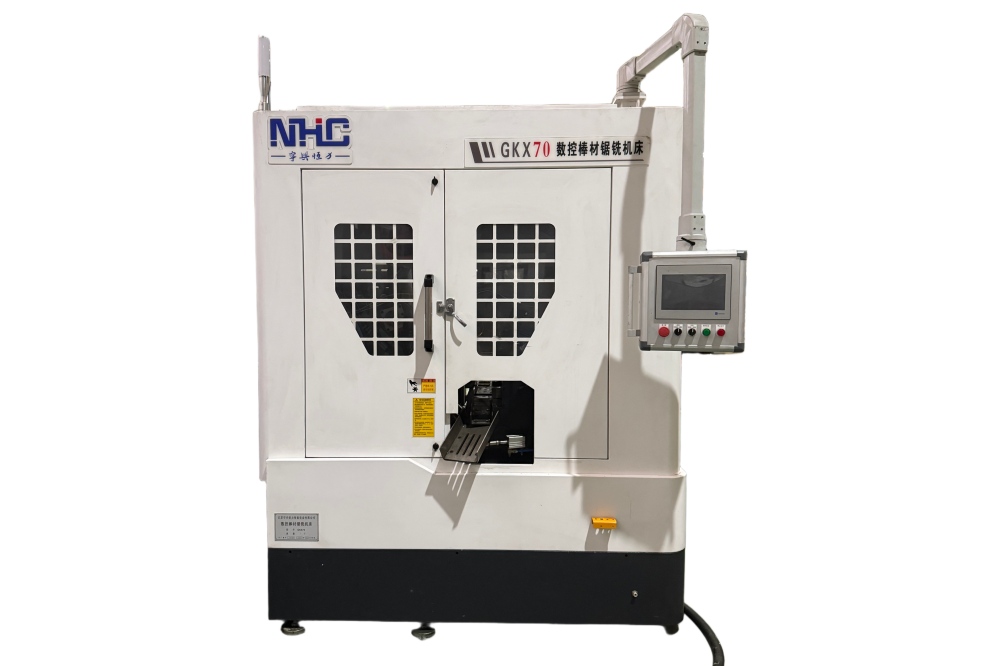
NHC circular sawing machines feature servo-controlled feeding and rigid cast machine frames, delivering stable high-speed cutting even for thick solid carbon steel and alloy steel bars. The automatic magazine loader handles bulk material loading without manual intervention, maximizing uptime for high-volume production lines.
Superior Cut Quality with No Secondary Finishing
High-quality industrial circular saws produce flat, square cut faces with minimal burr. Premium models achieve ±0.2mm length tolerance, perpendicularity ≤0.3mm/100mm and Ra6.3 surface finish. This means cut parts can go directly to next processes such as turning, forging or welding, with no additional milling, grinding or deburring required.
This is a critical advantage over plasma and oxy-fuel cutting, which always require secondary finishing to remove slag, heat-affected layers and rough edges.
Minimal Material Waste with Narrow Kerf
Precision carbide saw blades create a very narrow cutting kerf, resulting in significantly less material loss per cut compared with abrasive wheels or plasma cutting. For high-volume production environments, this can generate substantial material cost savings over time.
Modern circular sawing systems often utilize carbide or cermet blades with optimized tooth geometry and lubrication systems to maintain cutting performance and extend blade life. Features such as chip removal mechanisms also help reduce tooth wear by preventing chip accumulation during operation.
High Automation for Efficient Production
Modern CNC circular sawing machines support automated operation through programmable cut lengths, automatic material feeding, production counting, and fault monitoring. These capabilities improve productivity while reducing manual intervention and labor requirements.
Advanced control systems allow operators to easily configure cutting parameters, monitor machine status, and maintain consistent production quality. Automated clamping mechanisms further improve cutting stability by minimizing vibration and ensuring repeatable accuracy throughout the production process.
How to Choose the Right Thick Metal Cutting Method
Follow these guidelines to match the optimal process to your project:
- High-volume straight bar/tube/profile cutting – Choose a CNC circular sawing machine for the best balance of speed, precision and total cost.
- Irregular shape cutting on thick steel plate – Choose plasma for medium thickness, oxy-fuel for very heavy plate.
- Heat-sensitive materials or ultra-high precision – Choose waterjet cutting.
- High-precision thin-to-medium sheet metal parts – Choose fiber laser cutting.
For steel service centers, automotive parts suppliers and forging facilities that produce large volumes of fixed-length steel blanks, an NHC CNC circular sawing machine will deliver the fastest return on investment through higher output, lower labor cost and eliminated secondary operations.
Conclusion
The best way to cut thick metal depends entirely on your part geometry, production volume and quality requirements. For profile cutting of thick plates, oxy-fuel and plasma remain practical industrial solutions. For high-volume straight cutting of steel bars, tubes and profiles, CNC circular sawing machines are the clear leader in overall efficiency, precision and total operating cost.
As a dedicated industrial steel processing equipment manufacturer, NHC designs and builds heavy-duty CNC circular sawing machines for high-volume thick metal production. With rigid construction, precision servo control and optimized cooling systems, NHC machines help factories reduce secondary operations, lower consumable costs and maximize production throughput.
FAQ
What is the most efficient way to cut thick steel bars in large volumes?
For high-volume straight cut-off of thick solid steel bars and tubes, CNC circular sawing machines are the most efficient solution. They deliver fast cycle times, tight repeatable tolerances and low per-piece cost, with no secondary finishing required.
Can circular sawing machines cut stainless steel and alloy steel?
Yes. NHC CNC circular sawing machines can cut carbon steel, stainless steel, tool steel and alloy steel bars and tubes when paired with the appropriate blade type and cutting parameters. The oil mist cooling system controls heat buildup to maintain blade life on harder alloys.
How thick can an industrial circular sawing machine cut?
Standard industrial circular saw models typically handle solid bar diameters from 50mm up to 150mm, depending on machine size.
Which cutting method produces the best surface finish on thick metal?
For straight cuts, precision CNC circular sawing machines produce the best and most consistent surface finish, with cuts clean enough to skip secondary milling. For irregular shapes, waterjet cutting delivers the highest quality finish with zero thermal damage.
Is a circular saw safer than other thick metal cutting methods?
Enclosed CNC circular sawing machines are among the safest industrial thick metal cutting options. Fully enclosed cutting zones, automatic clamping and built-in safety features minimize operator exposure to moving blades, chips and sparks compared with manual torch or grinder cutting.