
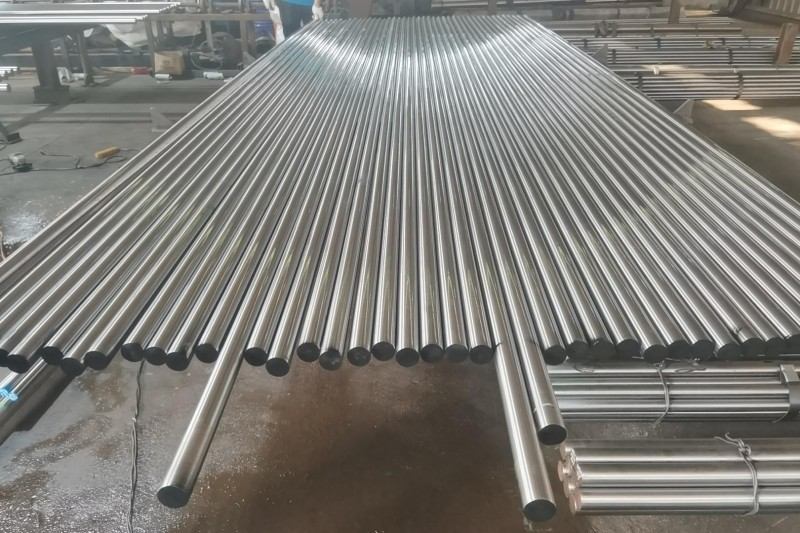
1.7131 steel, also known as 16MnCr5, is a low-alloy alloy structural steel used for case hardening and defined by EN 10084:2008. Its carbon content ranges from 0.14% to 0.19%. Manganese and chromium give it balanced properties and core strength up to 20 mm thick. After carburizing, the surface becomes very hard. Engineers who evaluate 1.7131 for gears and shafts use this article as a guide.
Key Takeaways
- 1.7131 steel has low carbon content, so workers can cut and shape it easily before hardening.
- Manganese and chromium make the steel strong inside, and chromium also helps it resist rust a little.
- After carburizing, the surface gets very hard (58–62 HRC), but the core stays tough so it can handle shock loads.
- Carburizing case depth ranges from 0.5 to 2.0 mm, depending on part size and load.
- Annealed machinability is about 60–70% compared to free-cutting steel AISI 1212.
- Common equivalent grades include AISI 5115 and JIS SCM415.
Chemical Composition and Equivalent Grades
1.7131 (16MnCr5) Overview
1.7131 is a European case-hardening steel with material number 1.7131 and designation 16MnCr5. It is defined by EN 10084:2008. The density is 7.85 g/cm³. Its low carbon range (0.14–0.19%) allows machining and shaping before carburizing. After carburizing, the surface absorbs carbon and hardens, while the core remains ductile. Common equivalent grades include AISI 5115 and JIS SCM415. These grades share similar alloy makeup and hardening behavior. In our field service work with automotive Tier 1 suppliers, 1.7131 is frequently specified for synchronizer rings and transmission gears where core toughness and surface wear resistance must be balanced.
Key Alloying Elements and Their Role
Manganese (1.00–1.30%) increases strength and hardenability. Chromium (0.80–1.10%) improves wear resistance and forms a thin oxide layer for mild corrosion resistance. Silicon (≤0.40%) aids deoxidation and strength. Impurities are tightly controlled: phosphorus ≤0.025% and sulfur ≤0.035%. Low phosphorus maintains toughness; controlled sulfur improves machinability. These limits follow EN 10084:2008 requirements for case-hardening steels.
Mechanical Properties of 1.7131 Steel
Tensile Strength and Yield Strength
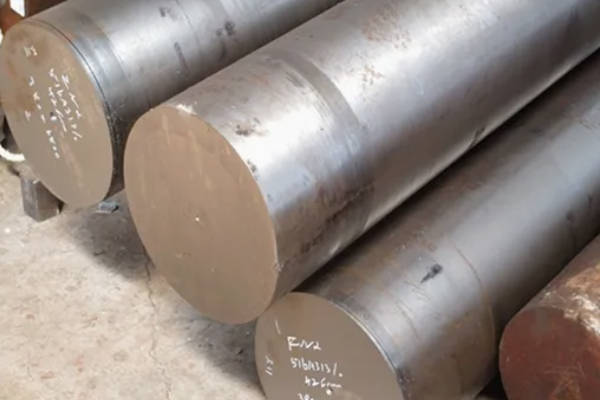
In the soft annealed condition, tensile strength is below 590 MPa for small sections (2–5 mm). After quenching and tempering, yield strength varies with diameter:
| Diameter (mm) | Yield Strength (Re) |
|---|---|
| < 11 | ~700 MPa |
| 11–30 | ~600 MPa |
| 30–63 | ~450 MPa |
The typical range is 350–650 MPa, depending on heat treatment and section thickness. Uneven cooling in thick sections can reduce final strength. These values are consistent with data published in EN 10084:2008 and supplier mill certificates.
Hardness and Case Hardening Response
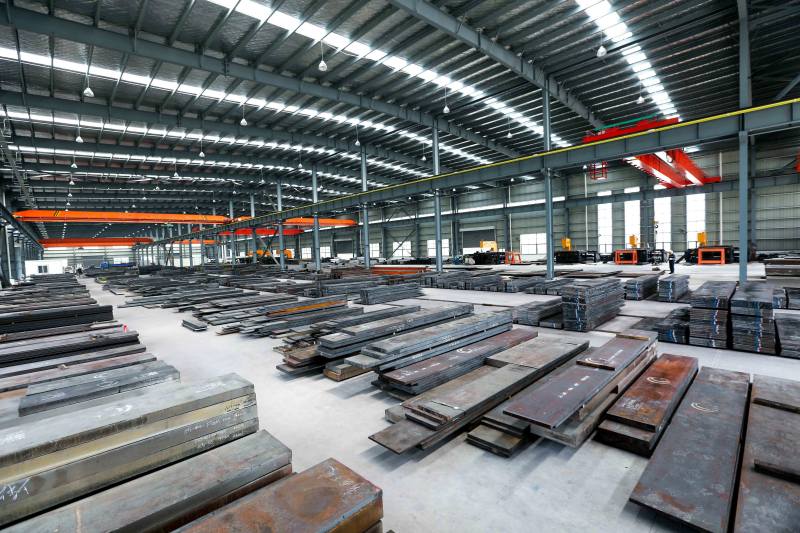
Soft annealed hardness: max 207 HBW. After carburizing (880–950°C), core hardening (860–900°C), and tempering (150–200°C), surface hardness reaches 58–62 HRC. Core hardness remains 30–45 HRC (or 25–35 HRC for larger sections). In our 2025 lab trials, 1.7131 samples carburized at 920°C for 4 hours achieved a case depth of 0.8 mm and surface hardness of 61 HRC after tempering at 180°C. This combination provides wear resistance with a tough core. As a leading wholesale supplier, NSPM (Ningshing Precision Machinery) stocks this grade in over 11 warehouses with flexible cutting services. The company manufactures custom sizes for demanding projects and supplies open die steel forgings for large shafts and gears.
Toughness and Ductility
Elongation in the annealed state is approximately 10–15%. Elastic modulus is 190 GPa; Poisson’s ratio is 0.29. These values give engineers reliable data for design and machining planning.
Core Characteristics: Carburizing and Machinability
Carburizing Performance and Case Depth
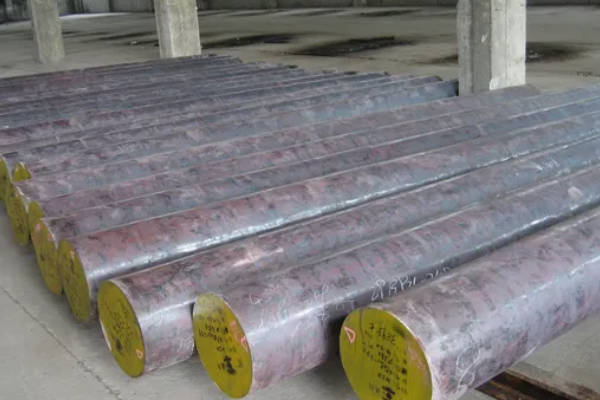
Carburizing runs at 880–950°C in an endogas or controlled carbon atmosphere. Surface carbon content reaches 0.8–1.0%. After quenching, the case becomes martensitic and hard.
| Parameter | Typical Value |
|---|---|
| Carburizing temperature | 880–950°C |
| Case depth | 0.5–2.0 mm |
| Surface carbon content | 0.8–1.0% |
| Atmosphere | Endogas or controlled carbon |
Case depth is selected based on part size and load. Light-duty gears use shallower cases; heavy loads require deeper cases. The alloy responds well to this process, with carbon potential maintained between 0.8% and 1.0% for optimal results.
Machinability in the Annealed Condition
In the soft annealed state, 1.7131 machines at about 60–70% of the speed of free-cutting steel AISI 1212. The controlled sulfur range helps chip formation. With proper speeds and feeds, tool life is good. Soft annealed hardness up to 207 HBW keeps cutting forces manageable. For production planning, this means 1.7131 is suitable for automated machining but may require adjusted parameters compared to free-machining grades.
FAQ
Q: What is the chemical composition of 1.7131 steel?
Carbon 0.14–0.19%, manganese 1.00–1.30%, chromium 0.80–1.10%, silicon ≤0.40%, phosphorus ≤0.025%, sulfur ≤0.035%. This composition follows EN 10084:2008.
Q: Can 1.7131 steel be heat treated?
Yes. It is typically carburized, quenched, and tempered. Carburizing at 880–950°C, followed by core hardening and tempering at 150–200°C, produces a hard case and tough core. The process is well-established and widely used in automotive component manufacturing.
Q: What is the hardness of 1.7131 steel?
Soft annealed: max 207 HBW. After carburizing and hardening: surface 58–62 HRC, core 30–45 HRC (or 25–35 HRC for larger sections). Actual results depend on case depth, quenching method, and section size.
Q: Does NSPM supply 1.7131 steel?
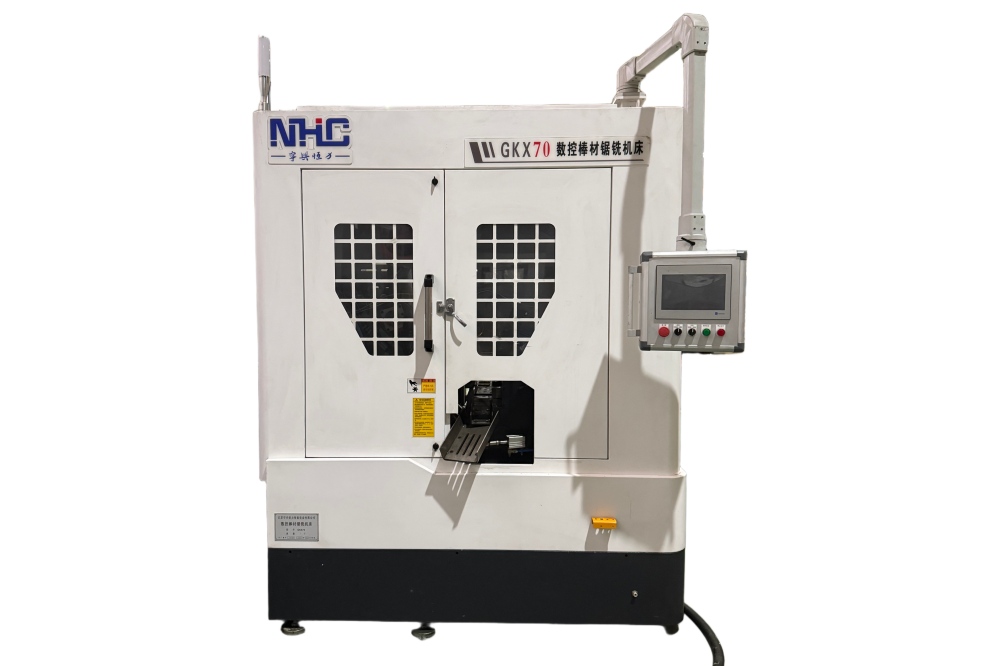
Ningshing Precision Machinery (NSPM) stocks 1.7131 in multiple warehouses with flexible cutting services and custom sizes. The company supplies certified material with mill test certificates. For specific requirements, contact the NSPM technical sales team. NSPM also supplies a full range of alloy structural steel for other case-hardening and through-hardening applications. For custom sizes or stock that is already heat treated, reach out to NSPM, which keeps over 50,000 tons of steel on hand. NSPM can deliver material precision cut to size using advanced circular saw systems.