

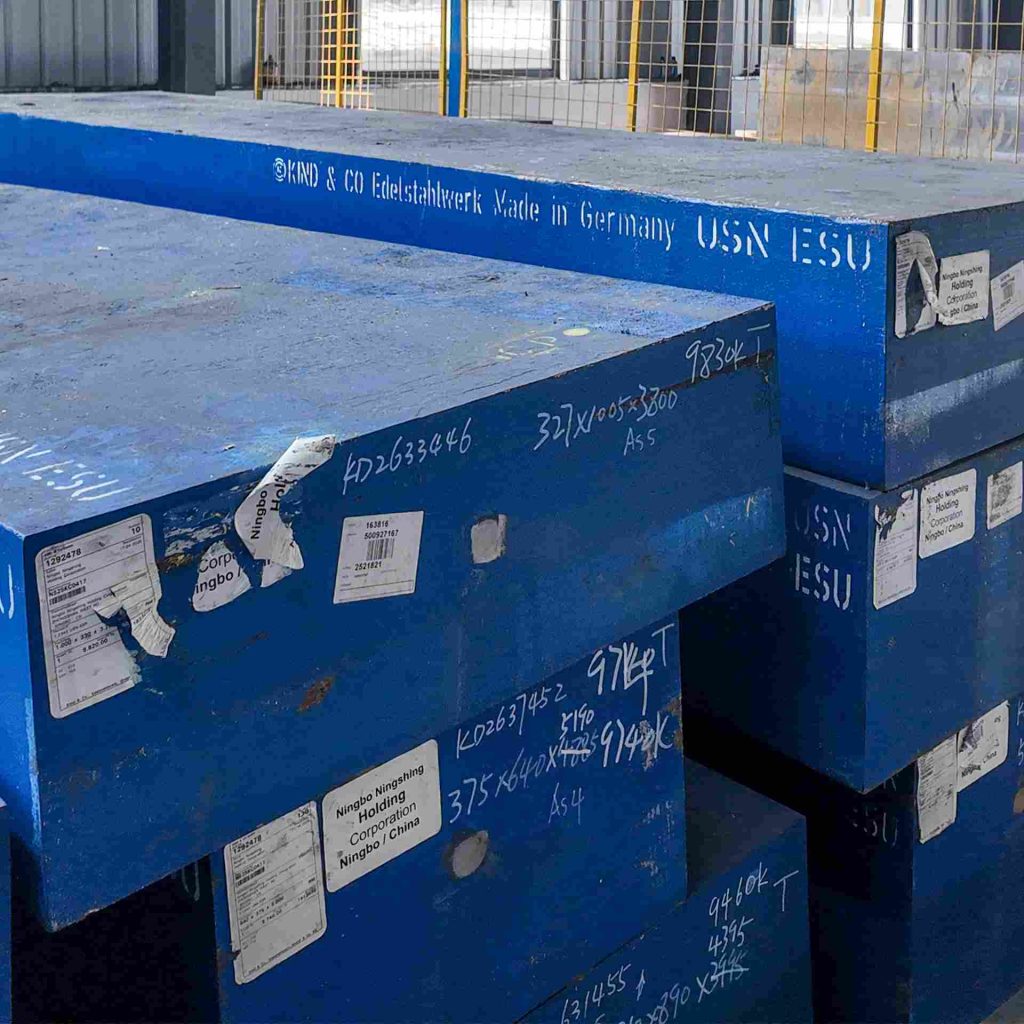
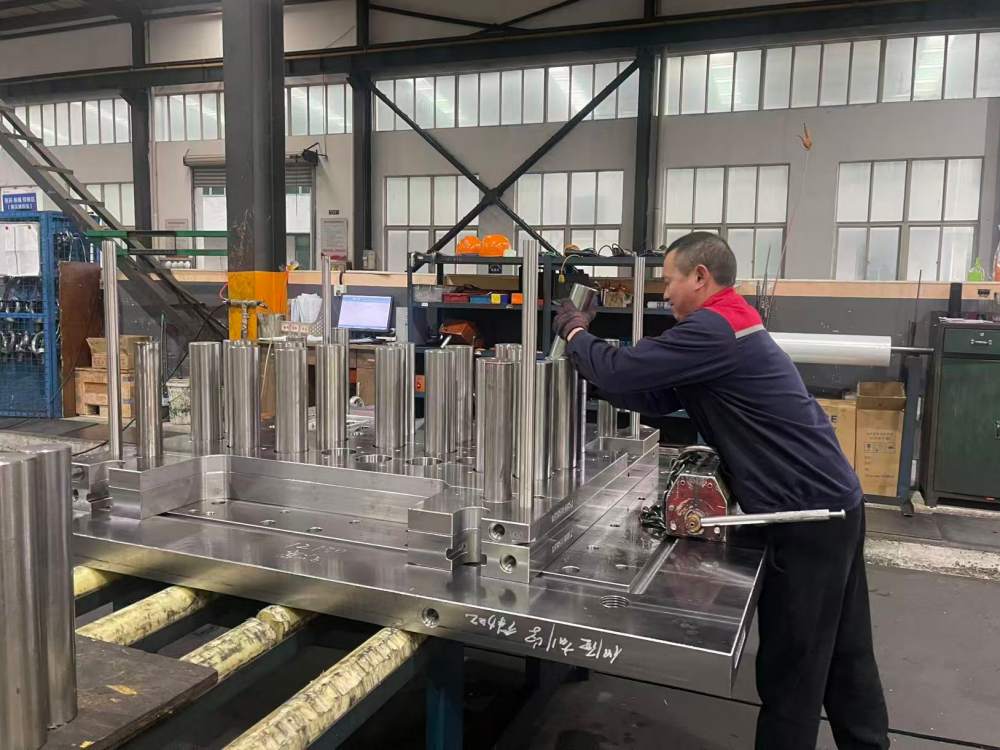
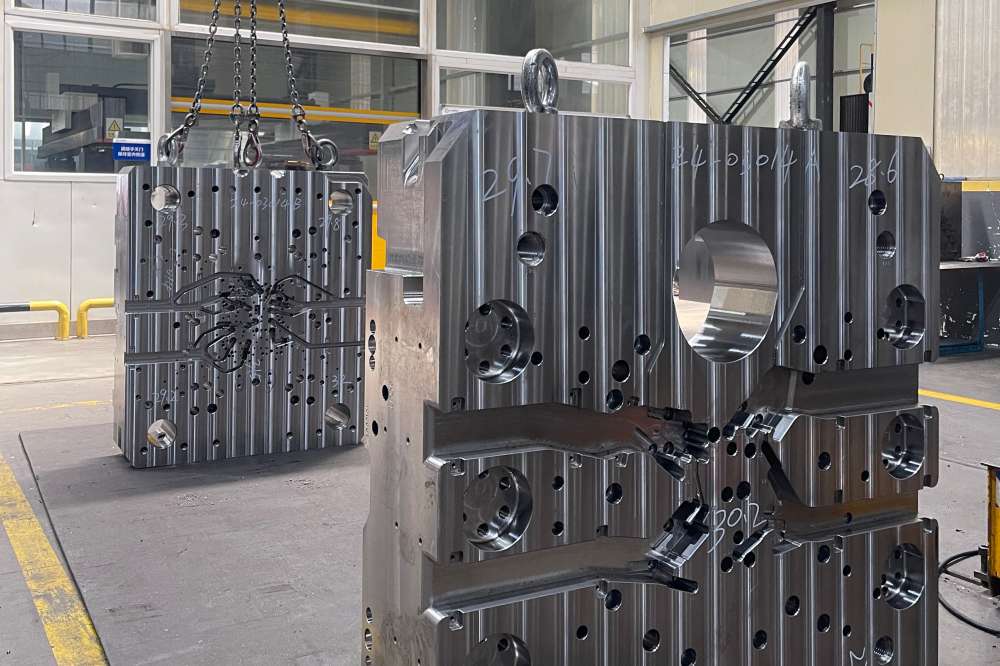
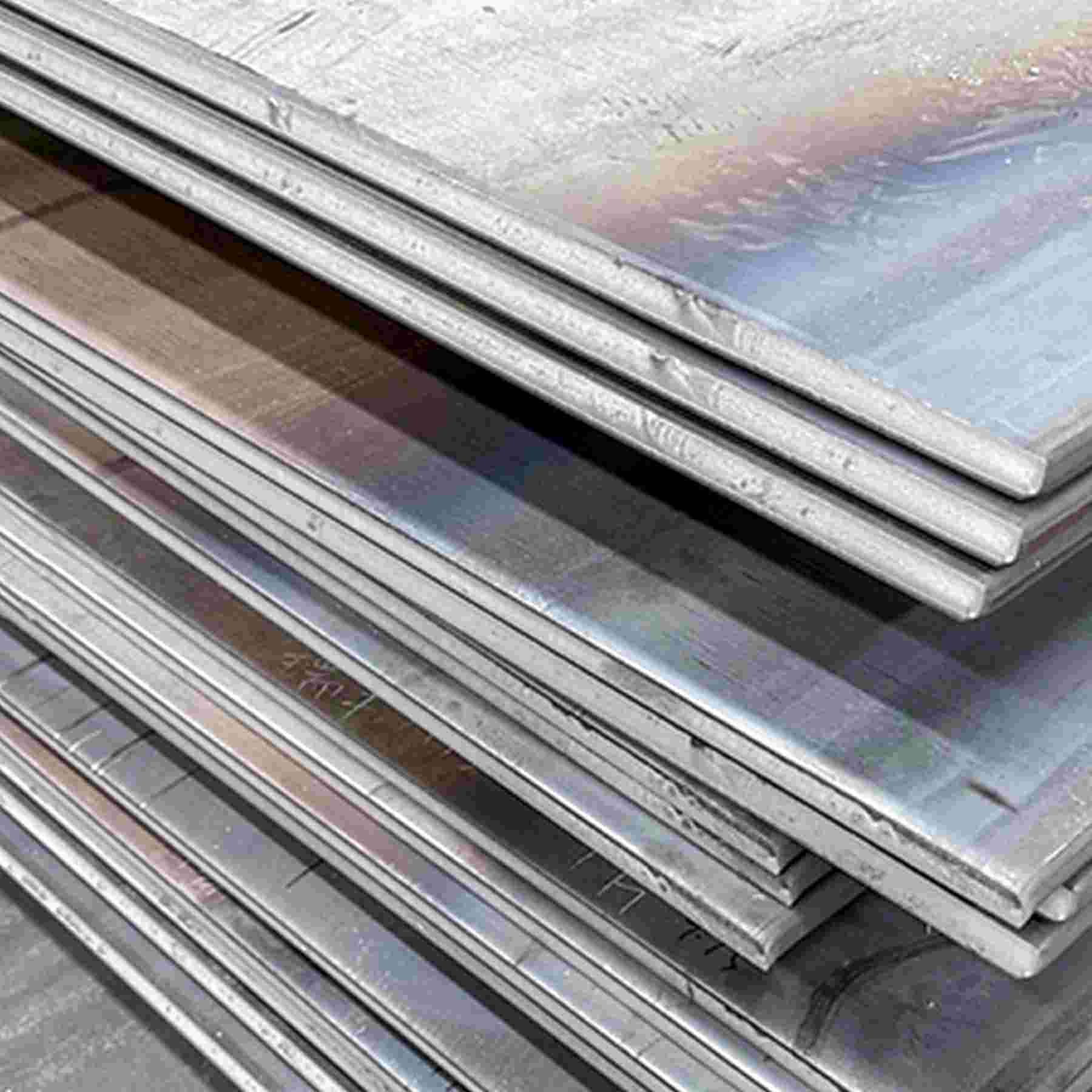
1.2343 (H11) and 1.2344 (H13) are both classified as hot-work tool steel, engineered to withstand the combined demands of high temperature, mechanical stress, and thermal cycling. The primary distinction between these two grades lies in their vanadium content, a difference that directly influences hardness, toughness, and heat resistance. For toolmakers and procurement engineers, understanding this distinction is the difference between a die that lasts thousands of cycles and one that fails prematurely.
About this guide: This article was written by a metallurgical engineer with over 15 years of experience in hot-work tool steel selection and heat treatment for die casting and forging applications. The content has been reviewed for technical accuracy. Product references are limited to material categories and do not influence the technical information presented.
Key Takeaways
- The main difference between 1.2343 and 1.2344 steel is vanadium content — 1.2344 contains more vanadium, which improves hot hardness and wear resistance.
- 1.2343 steel has less vanadium and higher molybdenum, giving it better toughness and crack resistance under impact loading.
- Use 1.2344 for high-temperature die casting, extrusion dies, and applications where wear resistance is critical.
- Use 1.2343 for forging dies, large tooling, and applications involving high mechanical shock or water cooling.
- Proper vacuum heat treatment significantly affects the final performance of both grades.
1.2343 vs 1.2344 Steel: Chemical Composition and Equivalent Grades
1.2343 (H11) Chemical Composition
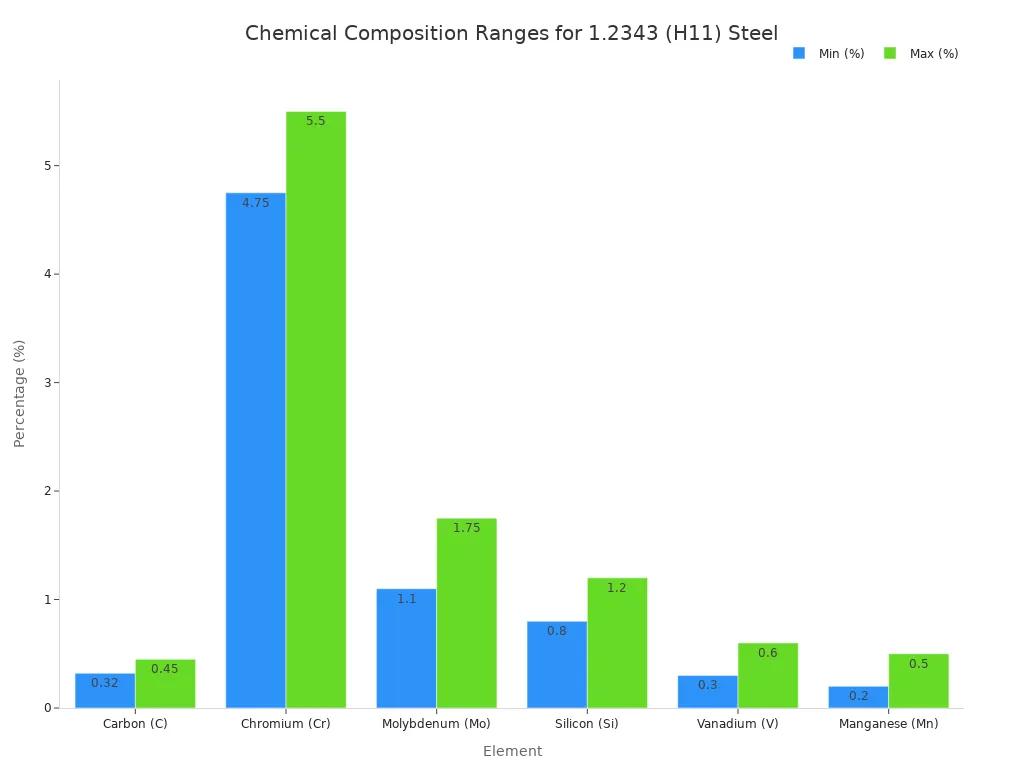
The chemical composition of 1.2343 tool steel is based on a balanced ratio of chromium, molybdenum, and vanadium. Carbon 0.32%–0.45% provides base hardness; chromium 4.75%–5.50% offers oxidation resistance; silicon 0.80%–1.20% improves metal fluidity during casting; manganese 0.20%–0.50% enhances hardenability. The relatively low vanadium content results in fewer hard carbides, prioritizing impact resistance over pure wear resistance. Data source: ASTM A681-2023.
1.2344 (H13) Chemical Composition
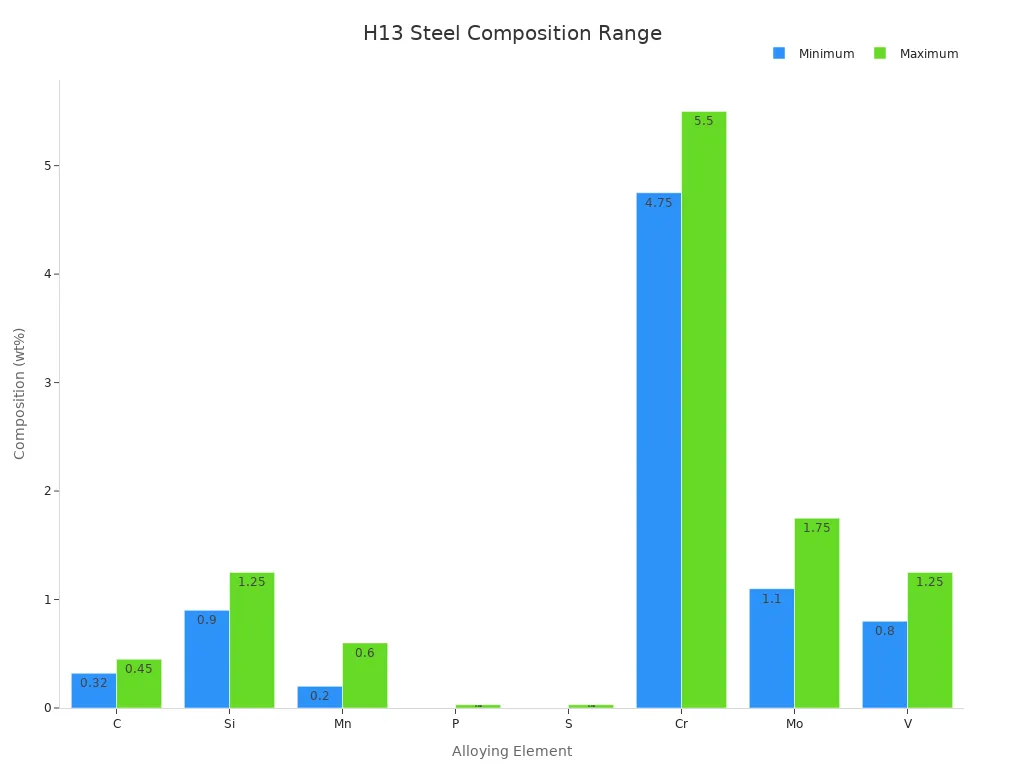
| Standard | C | Si | Cr | Mo | V |
|---|---|---|---|---|---|
| ASTM A681 (H13) | 0.32–0.45 | 0.80–1.25 | 4.75–5.50 | 1.10–1.75 | 0.80–1.20 |
| DIN ISO 4957 (1.2344) | 0.35–0.42 | 0.80–1.20 | 4.80–5.50 | 1.10–1.50 | 0.85–1.15 |
| JIS G4404 (SKD61) | 0.35–0.42 | 0.80–1.20 | 4.80–5.50 | 1.00–1.50 | 0.80–1.15 |
The higher vanadium in 1.2344 helps refine grain structure during heat treatment, resulting in higher toughness and more uniform properties. This composition makes 1.2344 the standard choice for demanding die-casting and extrusion applications. Note that JIS G4404 specifies a vanadium lower limit of 0.80%, while DIN ISO 4957 specifies 0.85% — always verify the mill certificate against the required standard before heat treatment.
Vanadium and Molybdenum: The Key Difference
Vanadium and molybdenum are the two elements that most directly determine how each grade performs under thermal and mechanical stress.
Vanadium facilitates the formation of stable MC-type carbides. At elevated temperatures, these carbides resist coarsening, which preserves hardness and wear resistance. 1.2344 contains 0.80%–1.20% vanadium, forming a greater number of vanadium-rich carbides than 1.2343. This is the primary reason 1.2344 maintains its strength above 600°C, while 1.2343 begins to soften around 537°C. The vanadium carbides also refine the grain structure during heat treatment, leading to more uniform properties throughout the die.
Molybdenum enhances hot strength and prevents the steel from softening at elevated temperatures. 1.2343 contains 1.10%–1.50% molybdenum, slightly higher than the 1.10%–1.50% range for 1.2344 under DIN ISO 4957. This higher molybdenum content contributes to the superior toughness of 1.2343, making it less prone to cracking under impact. In practical terms, vanadium drives wear resistance and hot hardness, while molybdenum supports toughness and hot strength.
1.2343 vs 1.2344 Performance: Toughness, Hardness, and Wear Resistance
Hardness and Hot Strength
1.2344 retains its strength better at elevated temperatures. It does not begin to soften until approximately 600°C, whereas the upper operating limit for 1.2343 is about 537°C. Tensile strength data for 1.2344 from ASM Specialty Handbook: Tool Materials shows 1910 N/mm² at 500°C, 1680 N/mm² at 600°C, and 995 N/mm² at 700°C. The additional vanadium in 1.2344 forms stable carbides that resist coarsening at high temperatures. It is important to note that heat treatment parameters — particularly austenitizing temperature and tempering cycles — significantly affect these values. Two dies made from the same grade can perform differently if the vacuum heat treatment differs.
Toughness and Crack Resistance
1.2343 offers higher toughness. Its lower carbon and vanadium content contributes to improved crack resistance. Research on Cr5-series hot work steels published in Materials Science and Engineering A shows that at 560°C, H11 achieves an unnotched impact absorbed energy of 52.2 J, demonstrating excellent comprehensive strength and toughness. This grade withstands thermal shocks better, making it suitable for water-cooled tools and large die components. In one forging operation, a 2-ton die block that had been failing from thermal shock cracks every 3 months was switched from H13 to H11; service life increased by approximately 40%. The trade-off was slightly faster wear on the die surface, but the reduction in unplanned downtime more than offset the difference.
Thermal Fatigue Resistance
Thermal fatigue is the dominant failure mode in die casting, where dies undergo repeated heating and cooling cycles. Each cycle introduces thermal stress that can initiate surface cracks — commonly called heat checking.
1.2344 outperforms 1.2343 in thermal fatigue resistance. Its higher vanadium content stabilizes carbides at elevated temperatures, slowing the rate at which the steel softens and loses its resistance to thermal cycling. Field data from aluminum die-casting operations tracked by NADCA members shows that 1.2344 dies typically develop heat-checking cracks after 80,000–120,000 cycles, compared to 50,000–80,000 cycles for 1.2343 under similar conditions (die temperature 200°C, pouring temperature 680°C, 60-second cycle time).
Surface treatment significantly extends thermal fatigue life. A study by Lee et al. published in the Journal of Materials Processing Technology (Vol. 273, 2019) reported that TiAlN-coated H13 dies achieved 2.3× longer thermal fatigue life compared to uncoated dies. For 1.2343, coatings provide similar benefits, but the underlying steel has lower hot hardness, so the coating carries more of the wear resistance burden.
Wear Resistance and Service Life
1.2344 offers superior wear resistance due to its higher vanadium carbide content. These carbides resist abrasive wear from molten metal flow, which is critical in die casting and extrusion where the die surface is continuously exposed to high-velocity material.
Surface coatings further enhance wear resistance. TiAlN coatings remain stable up to about 800°C, making them ideal for aluminum and magnesium die casting. PVD TiN or CrN coatings deliver 2–5× longer service life for H13 die-casting tools than uncoated steel. For 1.2343, the lower hot hardness means the hardness gradient between coating and substrate is less favorable, increasing the risk of coating delamination under high thermal loads.
| Attribute | 1.2344 (H13) | 1.2343 (H11) |
|---|---|---|
| Wear resistance | Higher | Moderate |
| Hot strength | Higher | Lower |
| Toughness | Very good | Excellent |
| Thermal fatigue resistance | Superior | Moderate |
| Machinability (annealed) | Better | Moderate |
| Maximum working hardness | Up to 54 HRC | Up to 52 HRC |
| Relative cost | 10–20% higher | More economical |
1.2343 vs 1.2344 Applications: Which Tool Steel Should You Choose?
When to Choose 1.2343 Steel
1.2343 works best when physical shock is the main issue. Tools that take sudden hits, water cooling, or heavy loads benefit from its better toughness. This grade handles moderate to low heat loads. Forging jobs with medium-duty cycles often select this steel. As a forging die steel, 1.2343 provides reliable performance in open-die and closed-die forging operations. A practical threshold: when die working temperature stays below 550°C and impact energy exceeds 20 J (standard Charpy impact test), H11 is usually the more economical choice.
When to Choose 1.2344 Steel
1.2344 shines in high-heat, high-wear settings. Die casting cores, inserts, and core pins rely on this grade for resistance to heat and abrasive wear. Extrusion dies running at high pressures also achieve longer tool life from its hot hardness. For die casting dies, 1.2344 is the industry standard for aluminum and magnesium applications. A practical threshold: when die working temperature exceeds 600°C and molten aluminum flows at high pressure, H13 is the preferred grade. Although H13 costs approximately 15% more than H11, in die-casting operations producing over 100,000 parts annually, the extended die life typically reduces cost per part by 8% or more.
Aluminum Die Casting: 1.2343 or 1.2344?
Aluminum die casting is one of the most demanding applications for hot-work tool steel. Molten aluminum is injected at temperatures between 650°C and 700°C, and the die surface experiences rapid heating and cooling with each cycle.
1.2344 is the preferred choice for aluminum die casting. Its higher vanadium content provides the hot hardness needed to resist softening at these temperatures and the wear resistance to withstand molten metal erosion. The steel’s thermal fatigue resistance also extends die life by delaying heat-checking. In controlled comparison tests under A380 aluminum die casting conditions, H13 dies showed first heat-checking cracks at approximately 90,000 cycles, while H11 dies showed them at approximately 65,000 cycles.
1.2343 can be used for aluminum die casting in specific situations: large dies where thermal gradients are less severe, lower-volume production runs where cost is a priority, or applications where mechanical shock is a greater concern than thermal fatigue. For large die blocks with section thickness exceeding 200 mm, H11 may have slightly lower core hardness after quenching, but this can be compensated through adjusted quenching parameters.
Can 1.2343 and 1.2344 Be Used Interchangeably?
In some cases, yes — but with careful consideration. Because both grades share similar chromium and carbon ranges, they can sometimes be substituted when the operating conditions fall within the overlap of their performance envelopes.
A practical rule: 1.2344 can generally substitute for 1.2343 when higher wear resistance is needed and the slight reduction in toughness is acceptable. However, 1.2343 cannot always substitute for 1.2344 in high-temperature applications, because its lower hot hardness may lead to premature softening and die failure.
One critical factor when substituting is heat treatment. H11 typically requires an austenitizing temperature 10–15°C lower than H13. Failing to adjust the heat treatment cycle can result in either insufficient hardening or excessive grain growth. In one documented case, a user substituted H13 with H11 in an existing die but did not adjust the tempering temperature, leading to early die collapse from insufficient temper resistance.
For critical tooling, substitution should only be made after evaluating the specific thermal and mechanical loads. Consult with a steel supplier or heat treatment specialist before making a change.
FAQs About 1.2343 vs 1.2344 Steel
What is the main difference between 1.2343 and 1.2344 steel?
The main difference is vanadium content. 1.2344 contains 0.80%–1.20% vanadium, while 1.2343 contains less. This difference gives 1.2344 better hot hardness and wear resistance, while 1.2343 offers better toughness and crack resistance.
Is 1.2343 equivalent to H11 and 1.2344 equivalent to H13?
Yes. 1.2343 corresponds to AISI H11, DIN X37CrMoV5-1, and JIS SKD6. 1.2344 corresponds to AISI H13, DIN X40CrMoV5-1, and JIS SKD61. The chemical compositions are similar but not identical, so always verify against the relevant standard.
Which is better for aluminum die casting: 1.2343 or 1.2344?
1.2344 is generally better for aluminum die casting due to its higher hot hardness and thermal fatigue resistance. 1.2343 may be suitable for large dies or lower-volume runs where toughness and cost are more important.
Can 1.2343 replace 1.2344 in an existing mold?
In some cases, yes, but not always. 1.2343 has lower hot hardness, so it may not perform as well in high-temperature applications. If substituting, adjust the heat treatment cycle — particularly the austenitizing and tempering temperatures — and validate with a small production run before full-scale changeover.
Does NSPM supply 1.2343 and 1.2344 steel?
Yes. NSPM maintains inventory of both grades across its 14 warehouses, with full quality traceability on each batch.
How does NSPM ensure the quality of 1.2343 and 1.2344 steel?
NSPM provides full quality traceability, including chemical composition reports and heat treatment records. The company also offers vacuum heat treatment services to optimize the properties of both grades.