

Cold rolled steel grades are defined by their strength, formability, and surface quality, much like tool steel grades are defined by hardness and wear resistance. Cold rolled steel is one of several steel product families, alongside alloy structural steel and stainless steel. The right grade depends on the application—whether you need a steel that bends easily into complex shapes, one that resists dents under load, or one that takes a clean, paint-ready finish. Unlike cold work tool steel, which is designed for cutting and forming tools, cold rolled steel is primarily used for structural and consumer goods applications. This article covers the international standard systems, the common grade designations, and how mechanical properties differ across the range.
Key Takeaways
- Cold rolled steel grades differ in strength, formability, and surface quality. Choose the grade that matches your forming operation and service requirements.
- International standards—JIS G 3141, EN 10130, and ASTM A1008—define equivalent grades such as SPCC, DC01, and CS Type A/B/C.
- The quality ladder runs from commercial quality to extra deep drawing quality. Higher formability means lower hardness, and vice versa.
What Is Cold Rolled Steel and Why Grades Matter
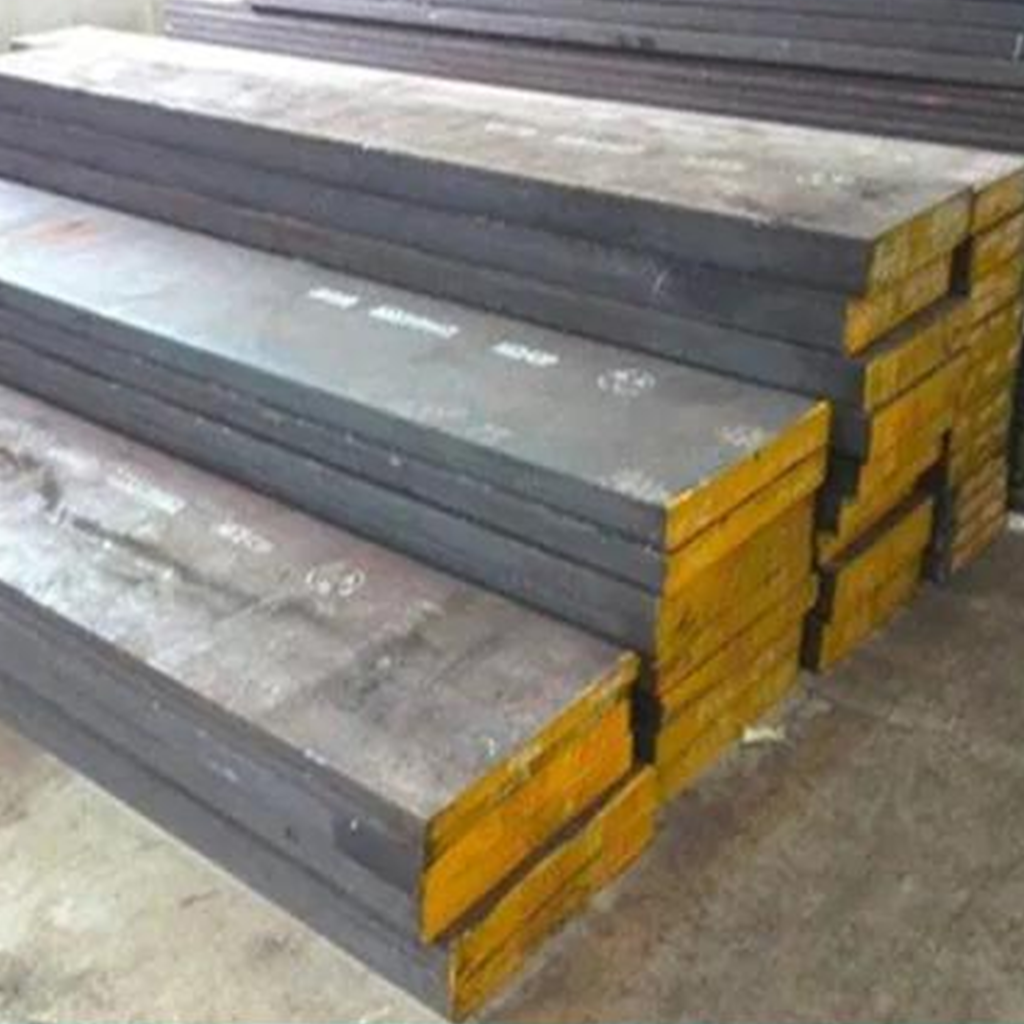
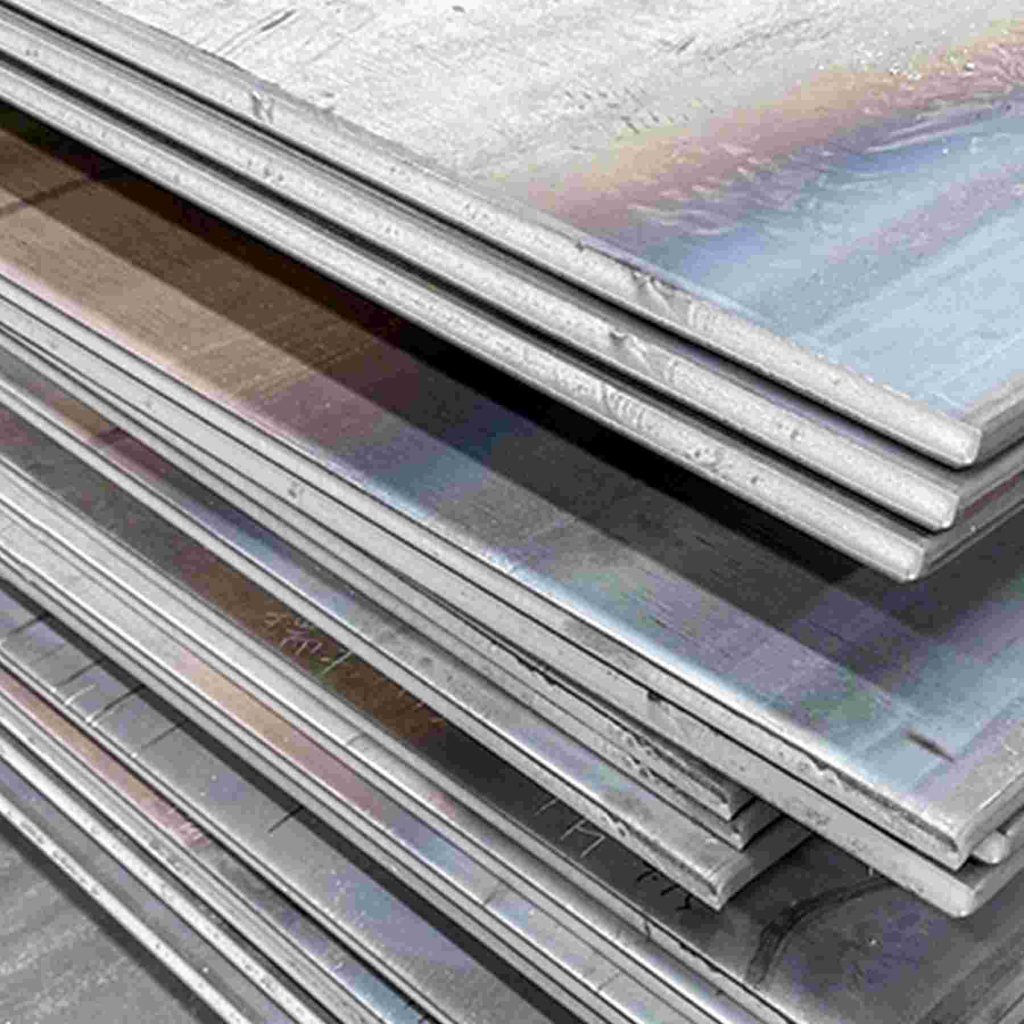
Cold rolled steel starts as hot rolled steel that is further processed through rollers at room temperature. This step occurs below the steel’s recrystallization temperature. Cold rolling strengthens the steel through strain hardening and grain refinement, producing better surface finishes and tighter dimensional tolerances than hot rolled steel. The sheets are often annealed or temper rolled afterward to restore ductility for bending and forming.
Different grades exist because no single steel can maximize both formability and strength. Automotive body panels need high formability and a high strength-to-weight ratio. Structural parts need higher yield strength for load-bearing. Construction and roofing need weather resistance and a smooth finish. Because these requirements pull in different directions, manufacturers produce a range of distinct grades rather than one universal option.
Cold Rolled Steel Grades by International Standard
Japanese Standard (JIS G 3141): SPCC, SPCD, SPCE, SPCF
JIS G 3141 divides cold rolled steel into four main grades. SPCC is for commercial quality and general forming. SPCD is a drawing quality grade for moderate forming work. SPCE handles deep drawing, and SPCF meets extra deep drawing demands. Formability improves at each step. SPCE reaches at least 40% elongation, while SPCF exceeds 42%. These values matter for stamping grade cold-rolled sheets that must stretch into complex shapes without tearing. Automotive and appliance makers rely on these grades for panels and housings.
European Standard (EN 10130): DC01, DC03, DC04, DC05, DC06
EN 10130 defines a matching family. DC01 covers general forming and simple bending. DC03 and DC04 handle deeper draws. DC05 and DC06 serve the most demanding deep drawing jobs. Chemistry controls performance. DC04 limits carbon to 0.08%, manganese to 0.40%, phosphorus to 0.030%, and sulfur to 0.020%—tight limits that keep the steel soft and easy to shape. The Lankford coefficient r90 measures resistance to thinning during stretch. DC05 shows a minimum r90 of 1.9, and DC06 rises to 2.1. A higher r-value means the material flows into a die instead of cracking. The strain hardening exponent n90 tells a similar story: DC05 holds n90 at 0.20 or above, and DC06 sits at 0.18 or above. Together, r90 and n90 predict whether a complex part forms in one draw or several.
American Standard (ASTM A1008): CS Type A/B/C, DDS, EDDS
ASTM A1008 lists commercial steel, drawing steel, deep drawing steel, extra deep drawing steel, structural steel, high-strength low-alloy steel, solution hardened steel, and bake hardenable steel. These categories map to similar property levels as the JIS and EN systems. GB/T 5213 sets yield strength floors for Q195 at 195 MPa, Q215 at 215 MPa, and Q235 at 235 MPa.
Quality Levels: Commercial, Stamping, Deep Drawing, Extra Deep Drawing
Across all standards, the grades progress from commercial quality to extra deep drawing quality. Commercial quality grades like SPCC and DC01 offer higher hardness for normal shaping jobs. Drawing quality grades like SPCD and DC03 give up some hardness for better stretchability. Deep drawing grades like SPCE and DC04 handle more severe forming. Extra deep drawing grades like SPCF, DC05, and DC06 stretch the most without tearing. This quality ladder is the single most important concept for matching a grade to a forming operation.
Strength, Hardness, and Industrial Uses of Cold Rolled Grades
Mechanical Properties Overview
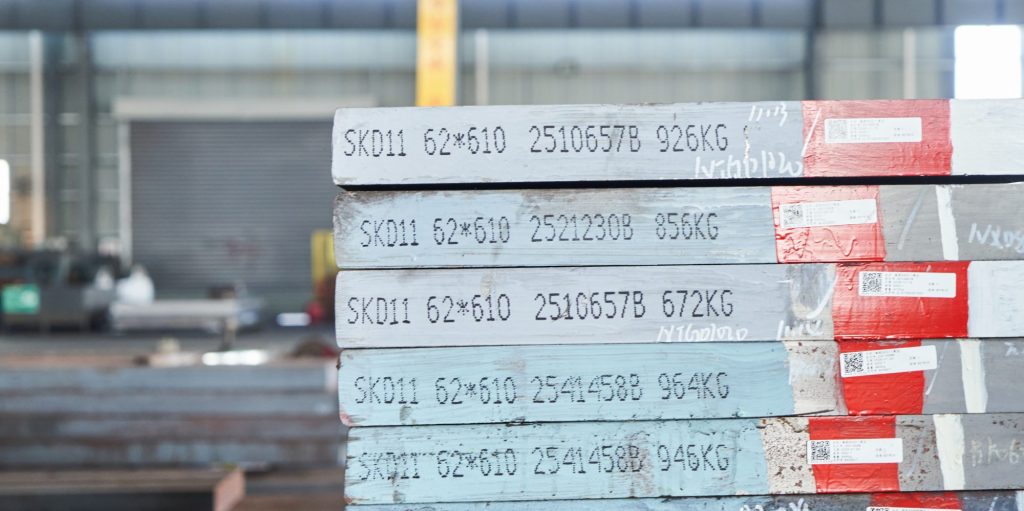
Cold roll steel grades decide yield strength, tensile strength, and hardness. Commercial quality grades give higher hardness for normal shaping. Drawing quality grades give up some hardness for better stretchability. The Rockwell B scale shows this trade-off. Commercial steel typically shows Rb 40–65, while drawing steel shows Rb 35–50. The lower range lets steel bend deeper without cracking. Higher hardness works for parts that resist dents and wear. Structural grades like CR220 and CR270 carry heavy loads, while lower strength grades like DC01 bend easily into shape.
Automotive and Appliance Applications
Automotive body panels need high formability. Drawing quality grades like DC04 and DC05 allow deep drawing without cracks. Stamping presses shape cold-rolled sheets into doors and fenders. The controlled Rb 35–50 range stops splitting. Appliance housings need smooth surfaces. Commercial quality grades like SPCC and DC01 give clean surfaces for painting. Stamping makes uniform refrigerator and washer panels.
Construction, Furniture, and Tooling Applications
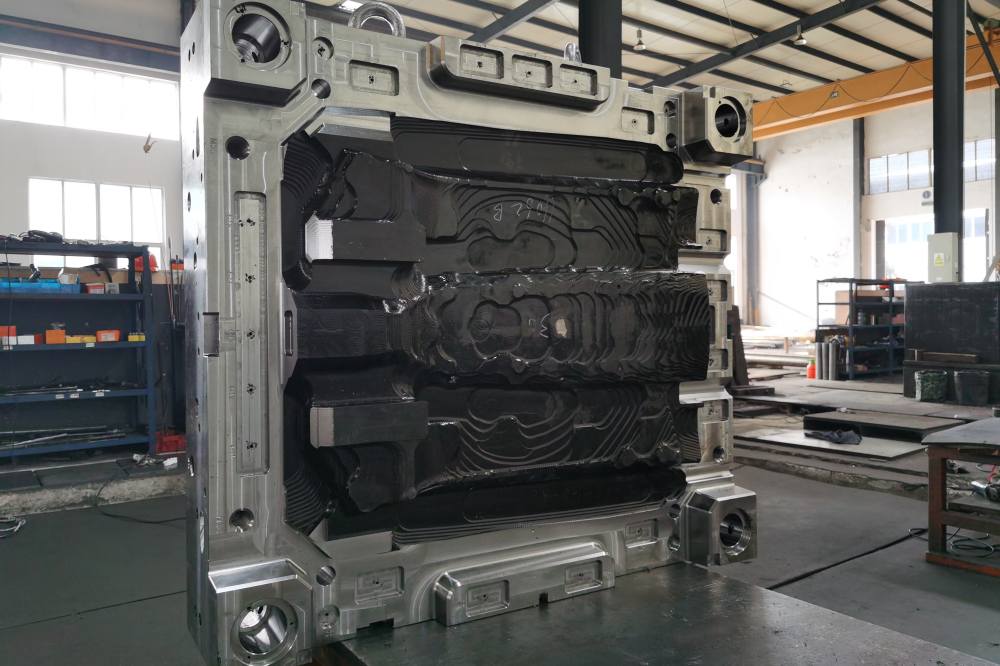
Construction framing uses structural cold rolled sections. Cold rolled sections replace hot rolled beams in many framing jobs, and tighter tolerances cut material waste. Furniture makers choose commercial quality cold rolled sheet because the smooth surface takes paint and powder coating well. Tooling applications need steady performance. Die casting dies, knives and blades, and aluminum extrusion tooling require exact hardness control. NSPM supplies cold work tool steel and alloy structural steel for these uses, with vacuum heat treatment to keep stable material properties and controlled hardness.
FAQs About Cold Rolled Steel Grades
What is the most common cold rolled steel grade?
SPCC under JIS G 3141 and DC01 under EN 10130 are the most widely used commercial quality grades. They are suitable for general forming, bending, and applications where surface finish matters more than extreme formability.
What is the difference between SPCC and DC01?
Both are commercial quality grades, but they come from different standards. SPCC is defined by JIS G 3141, and DC01 is defined by EN 10130. Their mechanical properties are similar, and they are often interchangeable when the supplier confirms equivalent chemistry and tolerances.
What does full hard mean in cold rolled steel?
Full hard refers to cold rolled steel that has been rolled to its maximum hardness without annealing. It is stronger and harder than commercial quality but much less ductile. Full hard grades are used where stiffness and wear resistance matter more than formability.
How do I choose the right cold rolled steel grade?
Match the grade to the forming operation and the service requirements. For simple bending, use a commercial quality grade like SPCC or DC01. For moderate drawing, use SPCD or DC03. For deep drawing, use SPCE or DC04. For the most severe forming, use SPCF, DC05, or DC06. Always verify the grade designation against the supplier’s standard.