

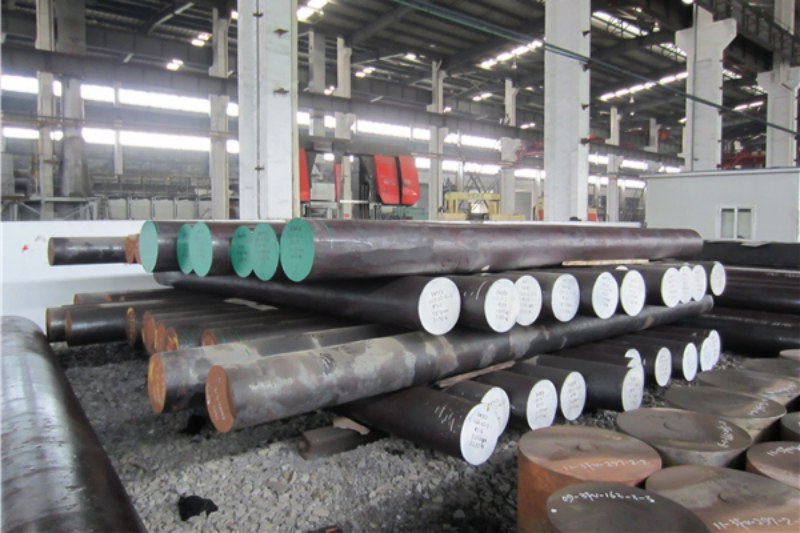
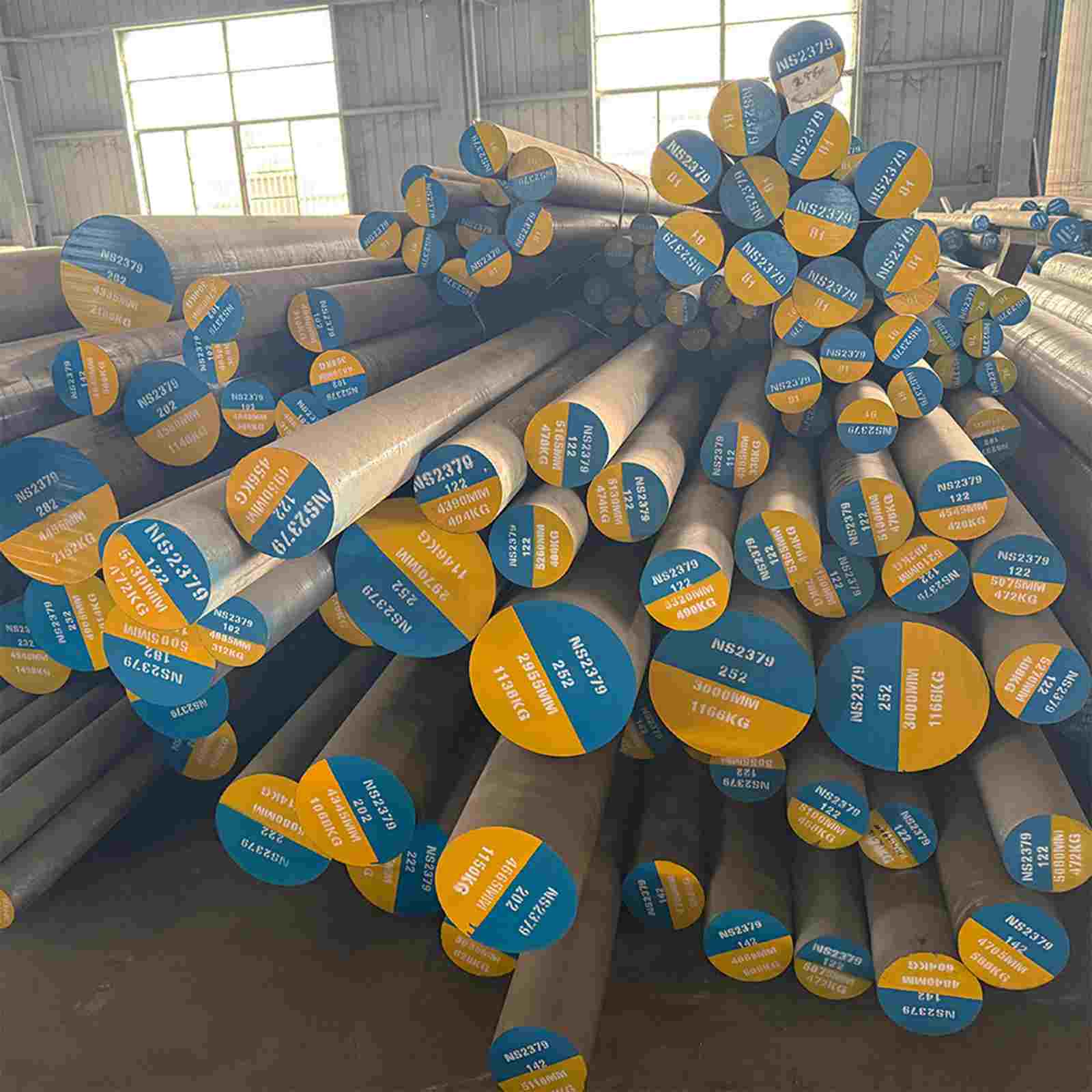
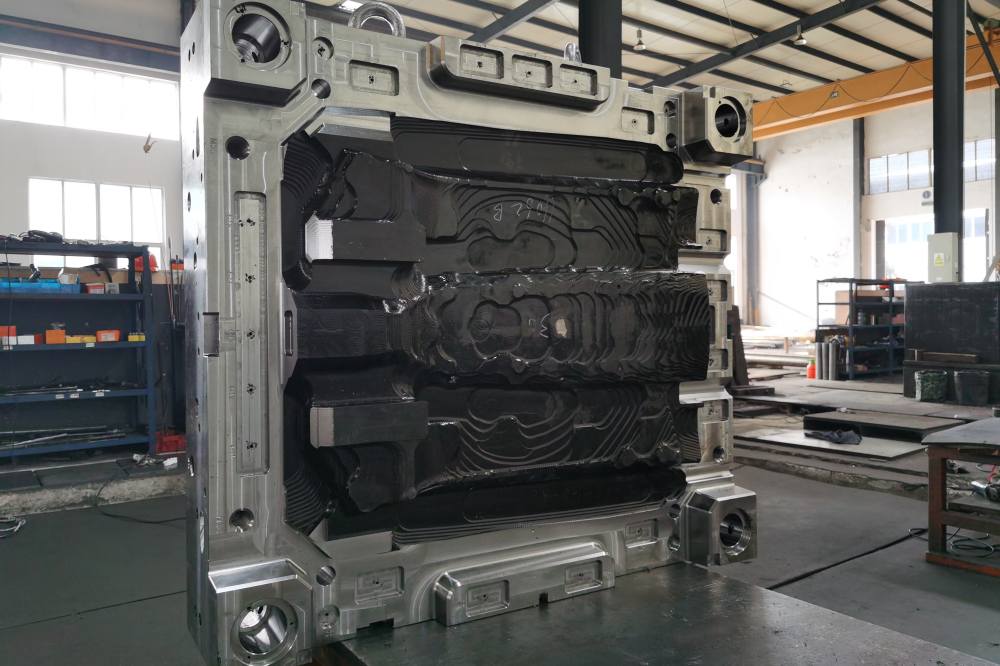


Alloy steel is enhanced with intentionally added alloying elements to improve strength, toughness, corrosion resistance and thermal stability. In industrial manufacturing practice, alloy steels are commonly grouped into four core categories: low-alloy steel, high-strength low-alloy (HSLA) steel, high-alloy steel, and stainless steel. Note that HSLA is a specialized subset of low-alloy steel, and stainless steel falls under the high-alloy family; both are classified as standalone categories due to their massive independent application scale and unique performance characteristics.
Key Takeaways
- Alloy steels are industrially divided into four core categories: low-alloy, HSLA, high-alloy and stainless steel, each formulated for distinct working conditions.
- Low-alloy steel delivers higher strength and toughness than plain carbon steel at a moderate cost, widely used for automotive and general structural components.
- HSLA steel offers an exceptional strength-to-weight ratio, ideal for lightweight construction, bridges and automotive structural parts to reduce material consumption.
- High-alloy steel and stainless steel provide excellent corrosion and heat resistance, designed for harsh chemical, high-temperature and coastal environments.
- Selecting the right alloy steel grade based on application requirements ensures structural safety, long service life and optimal total cost of ownership.
Four Core Types of Alloy Steel
Low-Alloy Steel

Definition & Composition
Low-alloy steel contains less than 5% total alloying elements by weight, including manganese, niobium, vanadium and molybdenum. These elements refine grain structure and boost strength and toughness without drastically raising material cost, making it the most widely used alloy steel category for general structural and mechanical applications.
| Element | Content (wt%) |
|---|---|
| Carbon | 0.05–0.25 |
| Manganese | 0.50–1.65 |
| Niobium | 0.02–0.10 |
| Vanadium | 0.01–0.10 |
| Molybdenum | 0.05–0.20 |
Key Properties
Compared with plain medium-carbon steel, low-alloy steel delivers superior toughness, fatigue resistance and impact performance, with tensile strength typically ranging from 500 to 1200 MPa depending on grade and heat treatment. Its balanced performance makes it a cost-effective upgrade from carbon steel for load-bearing parts.
Common Applications
Widely adopted in automotive chassis, axles, gears and engine components, as well as general construction steel structures. Representative grades include 8620, 4130 and 4140, used for gears, crankshafts, shafts and high-stress mechanical components.
High-Strength Low-Alloy (HSLA) Steel

Definition & Composition
HSLA steel is a high-performance subset of low-alloy steel, engineered for ultra-high yield strength with low carbon content and micro-alloying elements including copper, nickel, niobium, titanium and vanadium. It complies with standards such as ASTM A148, with optional Charpy impact testing for toughness verification.
Key Properties
HSLA steel is defined by its outstanding strength-to-weight ratio. Standard grades have a minimum yield strength of 275 MPa, with high-strength variants reaching up to 690 MPa, while retaining 15–30% ductility. Its lightweight property reduces material usage and cuts transportation and installation costs. Many grades also offer improved atmospheric corrosion resistance.
Common Applications
It is the primary material for large bridges, building structural frames and heavy engineering structures, thanks to its excellent weldability and formability. In the automotive industry, it is used for body structures and suspension systems to improve crash safety while reducing vehicle weight.
High-Alloy Steel
Definition & Composition
High-alloy steel contains more than 10% total alloying elements by weight, mainly chromium, nickel and molybdenum. The high alloy content delivers special properties such as corrosion resistance, high-temperature stability and hardness that cannot be achieved by low-alloy grades. Stainless steel is the most widely used high-alloy steel family.
Key Properties
The core advantages of high-alloy steel are excellent corrosion resistance, high-temperature strength and long-term durability under harsh working conditions. It maintains stable mechanical performance at extreme temperatures and in corrosive environments where low-alloy steels would fail rapidly.
Common Applications
Used in extreme working condition scenarios: chemical processing reactors, power plant steam generators, heat exchangers, aerospace structural components and high-performance tooling. Specialized high-alloy grades also serve oil and gas pipeline projects requiring long-term corrosion resistance.
Stainless Steel
Definition & Composition
Stainless steel is the most common high-alloy steel category, defined by a minimum 10.5% chromium content. The chromium forms a self-healing passive oxide layer on the surface, which blocks oxygen and moisture from corroding the base metal, and repairs itself automatically if scratched in oxygen-containing environments.
Key Properties
Its most iconic property is corrosion resistance, far exceeding carbon and low-alloy steels. It also offers good formability, cleanability and high-temperature stability. It is divided into five main families based on microstructure: austenitic (304, 316), ferritic, martensitic, duplex and precipitation hardening, each with distinct performance characteristics.
Common Applications
Widely used in food and pharmaceutical processing equipment, medical instruments, kitchenware, coastal construction and marine facilities. Grade 316 with molybdenum addition is designed for saltwater environments, while grade 304 is the standard choice for general architectural and daily use scenarios.
Comparing the Four Types of Alloy Steel
| Steel Category | Total Alloy Content | Core Advantages | Typical Applications | Cost Level |
|---|---|---|---|---|
| Low-Alloy Steel | < 5% | Balanced strength & toughness, good machinability | Automotive parts, mechanical components, general structures | Low-Medium |
| HSLA Steel | < 5% (micro-alloyed) | High strength-to-weight ratio, good weldability | Bridges, construction, automotive lightweight structures | Medium |
| High-Alloy Steel | > 10% | High temperature resistance, corrosion resistance | Chemical reactors, power equipment, aerospace | High |
| Stainless Steel | ≥ 10.5% Cr | Excellent corrosion resistance, clean surface | Food/pharma equipment, coastal construction, marine parts | Medium-High |
Alloy Steel Selection Guide
Choosing the optimal alloy steel requires matching material properties to specific project requirements, with core considerations including:
- Working environment: Corrosive, high-temperature or coastal scenarios prioritize high-alloy or stainless steel; dry indoor structural applications can use cost-effective low-alloy or HSLA steel.
- Mechanical requirements: High-load rotating parts select low-alloy steel with good toughness; lightweight load-bearing structures select HSLA steel.
- Fabrication requirements: Projects requiring extensive welding and forming should prioritize grades with good weldability and formability, such as HSLA and austenitic stainless steel.
- Total cost: Balance upfront material cost with expected service life and maintenance frequency to optimize long-term economics.
- Compliance standards: Aerospace, pressure vessel and food contact applications must meet corresponding industry grade specifications.
Conclusion
The four core categories of alloy steel — low-alloy, HSLA, high-alloy and stainless steel — cover nearly all industrial application scenarios, from general structural parts to extreme harsh environments. Each category has unique performance advantages and cost positioning, with no universally superior option.
Matching the correct alloy steel category and specific grade to your project requirements ensures structural safety, extends service life and optimizes total cost of ownership. As a reliable full-range steel supplier, NSPM provides quality-certified alloy steel products and professional technical support to help customers find the optimal material solution.
FAQ
What is the core difference between alloy steel and carbon steel?
Alloy steel contains intentionally added alloying elements (such as chromium, nickel, molybdenum and vanadium) to improve strength, toughness, corrosion resistance or heat resistance. Plain carbon steel has no significant alloy additions, with lower overall performance but lower upfront cost.
Why is HSLA steel widely used in construction?
HSLA steel delivers much higher strength than ordinary carbon steel at a similar weight, allowing engineers to use thinner steel sections while maintaining structural safety. This reduces total material usage, construction weight and overall project cost. It also offers good weldability for on-site fabrication.
Can stainless steel still rust?
Stainless steel has far better rust resistance than carbon steel, but it is not completely rust-proof. In extreme environments such as high-chloride saltwater or strong acid conditions, the passive chromium oxide layer may break down. Higher chromium and molybdenum grades (such as 316) offer stronger corrosion resistance for harsh scenarios.
Where is high-alloy steel most commonly used?
High-alloy steel is most widely used in chemical processing, power generation and aerospace industries. These applications involve high temperatures, corrosive media or extreme mechanical loads that low-alloy steels cannot withstand long-term.
How do manufacturers select the right alloy steel grade?
Grade selection is based on core working conditions: required mechanical strength, operating temperature, corrosion exposure, fabrication process and budget. For specialized applications, metallurgical experts can evaluate material performance to recommend the optimal balance of performance and cost.