
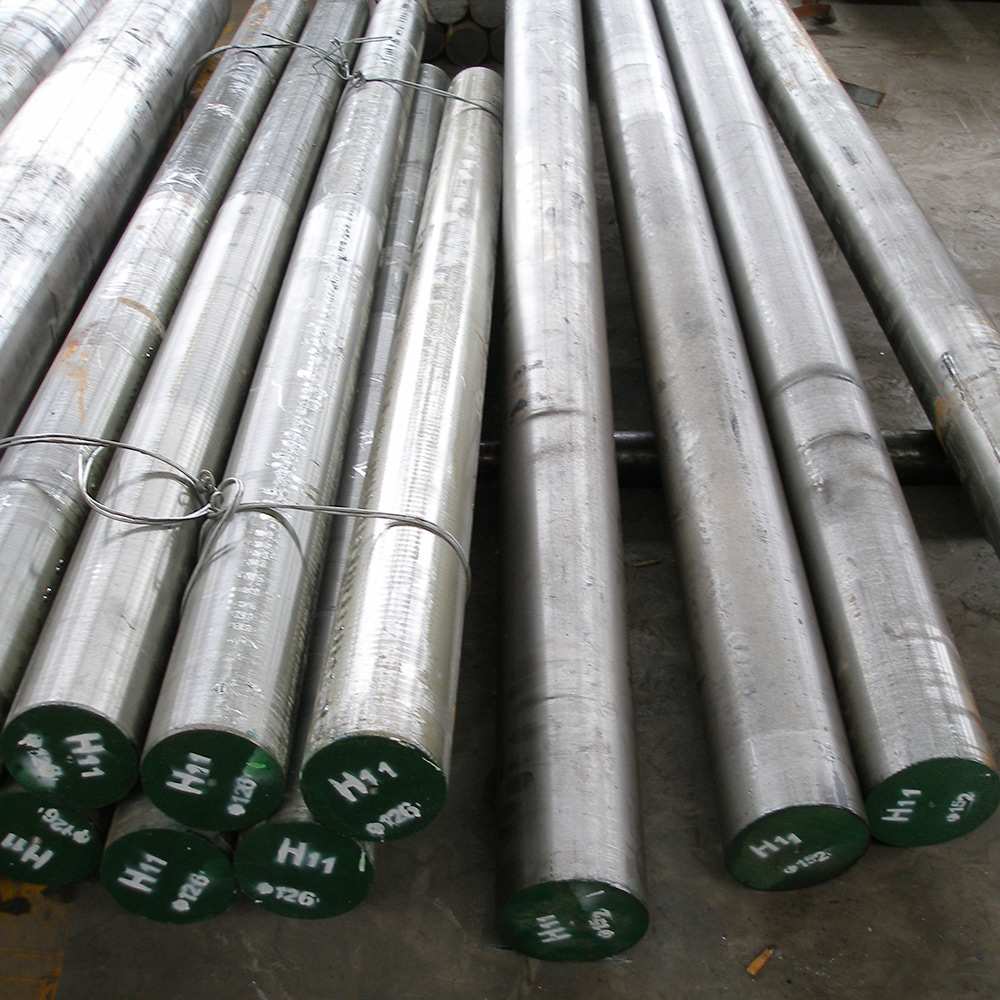
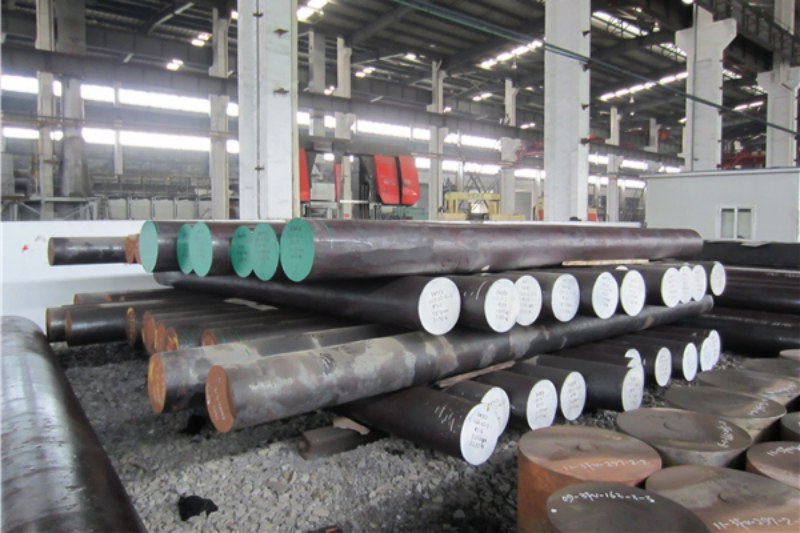
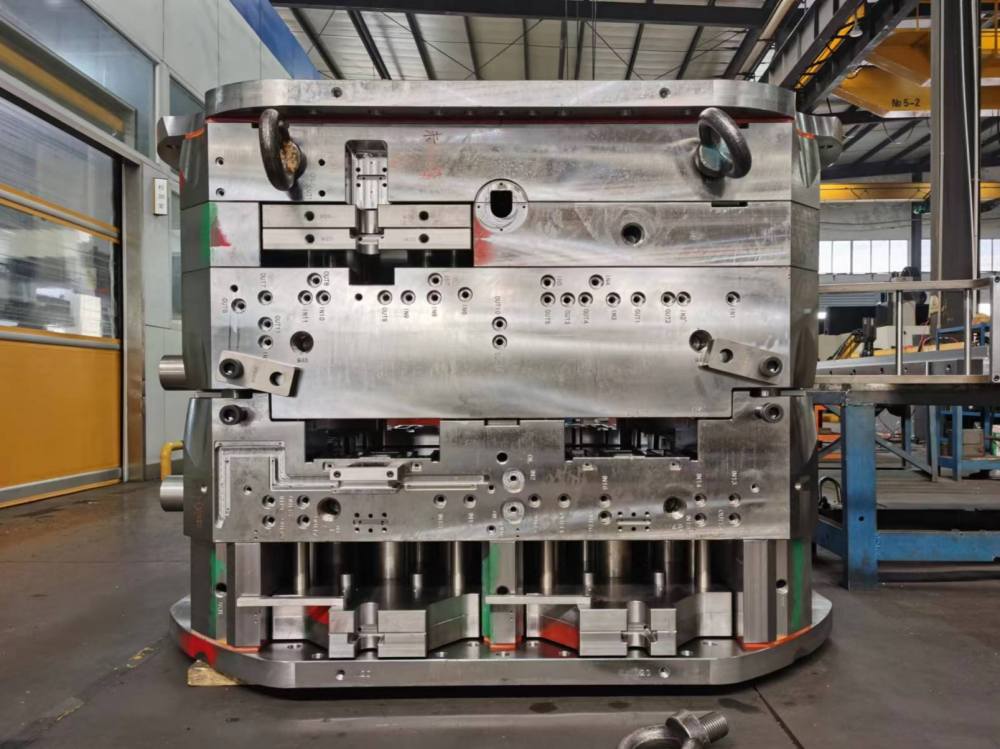

1.2343 is a classic chromium-molybdenum-vanadium hot work tool steel defined under the DIN German standard, with the full chemical designation X37CrMoV5-1. It has globally recognized interchangeable grades across major industrial standard systems, most commonly AISI H11 (US) and JIS SKD6 (Japan). Renowned for exceptional toughness and thermal fatigue resistance, it is widely used for die casting, hot forging and extrusion tooling in global manufacturing.
Steel grade equivalency enables manufacturers to source qualified alternative materials across regional supply chains, ensuring stable performance in high-temperature forming applications. As a professional global tool steel supplier, NSPM stocks 1.2343 and all its mainstream equivalent grades, supporting consistent delivery and technical guidance for industrial clients.
Key Takeaways
- 1.2343 steel is directly equivalent to AISI H11 (US), JIS SKD6 (Japan) and DIN X37CrMoV5-1, with nearly identical chemical composition and mechanical properties for hot work scenarios.
- The grade’s core advantage is superior toughness and thermal crack resistance, making it ideal for tooling subject to frequent rapid heating and cooling cycles.
- Compared with 1.2344 (AISI H13), 1.2343 offers better crack resistance but lower wear resistance and hot hardness, suiting different working condition priorities.
- Standard equivalents are widely available across global supply chains, with slight regional preferences for specific designation systems.
- NSPM supplies full-specification 1.2343 and equivalent hot work tool steels, with metallurgical technical support to help manufacturers select the optimal grade.
Full List of 1.2343 Steel Equivalent Grades

AISI H11 (US Standard)
AISI H11 is the most widely used equivalent of 1.2343 in the North American market. It matches 1.2343 on composition and performance, delivering high toughness and strong thermal crack resistance. It is available in annealed and pre-hardened conditions, and is the standard grade specified for most die casting and forging projects in the US.
JIS SKD6 (Japanese Standard)
SKD6 is the Japanese industrial standard equivalent of 1.2343, commonly adopted in Japanese and Southeast Asian manufacturing. It performs stably in medium-temperature hot work scenarios with excellent thermal fatigue resistance. Compared with SKD61 (the Japanese equivalent of 1.2344), it has lower vanadium content for better toughness but slightly lower wear resistance, making it more suitable for impact-heavy working conditions.
DIN X37CrMoV5-1 (German Standard)
X37CrMoV5-1 is the full chemical designation of 1.2343 under the DIN system; 1.2343 is the material number, and the two refer to the exact same steel grade. It is the benchmark grade for European hot work tool steel specifications.
| Property | Standard Value |
|---|---|
| Annealed Hardness | ≤ 229 HB |
| Quenched & Tempered Hardness | 42 – 52 HRC |
| Tensile Strength | 1300 – 1800 MPa |
| Maximum Continuous Working Temperature | Up to 600°C |
Other Global Standard Equivalents
| Standard System | Equivalent Grade |
|---|---|
| ASTM (US) | A681 H11 |
| BS (UK) | BH11 |
| ISO (International) | X37CrMoV5-1 |
These equivalent grades are universally applied to hot forging dies, aluminum and magnesium die casting molds, light metal extrusion dies, high-temperature plastic molds and aerospace tooling components.
Key Differences Between 1.2343 and 1.2344 Steel
1.2343 and 1.2344 (AISI H13) are the two most commonly compared hot work tool steels, with similar base alloy systems but distinct performance priorities. The core difference lies in vanadium content, not molybdenum content as sometimes misstated.
Chemical Composition Comparison
| Element | 1.2343 (H11) | 1.2344 (H13) |
|---|---|---|
| Carbon (C) | 0.33 – 0.40% | 0.36 – 0.42% |
| Silicon (Si) | 0.80 – 1.20% | 0.80 – 1.20% |
| Chromium (Cr) | 4.80 – 5.50% | 4.80 – 5.50% |
| Molybdenum (Mo) | 1.20 – 1.60% | 1.20 – 1.60% |
| Vanadium (V) | 0.10 – 0.30% | 0.85 – 1.15% |
Vanadium forms hard carbide particles in the steel matrix, improving hot hardness and wear resistance but reducing overall toughness. This explains the performance split between the two grades:
- 1.2343: Lower vanadium content → higher impact toughness, better thermal crack resistance
- 1.2344: Higher vanadium content → better wear resistance, stronger hot hardness at elevated temperatures
Performance & Application Comparison
| Performance Index | 1.2343 (H11) | 1.2344 (H13) |
|---|---|---|
| Impact Toughness | Higher | Moderate |
| Thermal Fatigue Resistance | Excellent | Good |
| Wear Resistance | Moderate | Superior |
| Hot Hardness | Moderate | Higher |
| Best Fit | Thermal cycling-heavy, impact-prone tooling | High-temperature, high-wear long-production tooling |
Standard heat treatment for 1.2343 includes soft annealing at 800–850°C (≤229 HB for machining), austenitizing at 1000–1050°C, and tempering at 500–650°C to achieve a final hardness of 42–52 HRC.
1.2343 Steel Properties and Applications

Core Performance Advantages
1.2343 steel is valued primarily for its balanced toughness and thermal stability:
- Excellent thermal fatigue resistance, with low risk of surface cracking under repeated heating and cooling cycles
- High impact toughness to resist chipping and fracture under mechanical shock loads
- Good machinability and polishability for mold cavity processing
- Stable performance at continuous working temperatures up to 600°C
Typical Industrial Applications
The grade is selected for hot work scenarios where crack resistance takes priority over extreme wear resistance:
| Application | Core Performance Requirements |
|---|---|
| Aluminum & magnesium die casting molds | Thermal fatigue resistance, thermal conductivity |
| Medium & small hot forging dies | Impact toughness, hot strength |
| Light metal extrusion punches & mandrels | Toughness, moderate wear resistance |
| High-temperature engineering plastic molds | Dimensional stability, polishability |
Conclusion
1.2343 hot work tool steel shares direct material equivalency with AISI H11, JIS SKD6 and DIN X37CrMoV5-1, making it a globally interchangeable solution for high-temperature forming tooling. Its standout toughness and thermal fatigue resistance set it apart from higher-wear grades like 1.2344, making it the optimal choice for applications subject to frequent thermal cycling and impact loads.
As a professional tool steel manufacturer and supplier, NSPM provides fully certified 1.2343 and equivalent grades with consistent metallurgical quality and reliable global supply. Selecting the right hot work steel grade based on actual working conditions — whether prioritizing crack resistance or wear resistance — directly extends tool service life, reduces maintenance downtime and improves overall production economics.
FAQ
What is the main difference between 1.2343 and 1.2344 steel?
The core difference is vanadium content and resulting performance focus. 1.2343 has lower vanadium content, delivering higher impact toughness and better thermal fatigue crack resistance. 1.2344 contains more vanadium to form hard carbides, offering superior wear resistance and hot hardness. Engineers select 1.2343 for tooling prone to thermal cracking, and 1.2344 for high-temperature, high-wear working conditions.
Can 1.2343 steel fully replace AISI H11?
In most standard hot work applications, 1.2343 is directly interchangeable with AISI H11, as they align on chemical composition ranges and mechanical performance requirements. For projects with strict standard compliance rules, it is recommended to verify specific grade specifications against project standards before making a substitution.
What are the primary industrial uses of 1.2343 steel?
1.2343 steel is most widely used for aluminum and magnesium die casting molds, hot forging dies, and light metal extrusion tooling. It is the preferred grade for applications subject to frequent thermal cycling where crack resistance is a top priority.
Does NSPM supply 1.2343 steel for global clients?
Yes, NSPM supplies 1.2343 and its equivalent hot work tool steels to clients worldwide. With large-scale inventory and multiple international logistics channels, we support flexible delivery schedules and provide accompanying metallurgical technical guidance.
How does heat treatment affect the performance of 1.2343 steel?
Proper heat treatment adjusts the balance of hardness and toughness in 1.2343 steel. After quenching at 1000–1050°C and tempering at 500–650°C, the steel achieves a hardness range of 42–52 HRC, with toughness tailored to match specific application loads. Soft annealing at 800–850°C brings the steel to ≤229 HB for easier machining.