
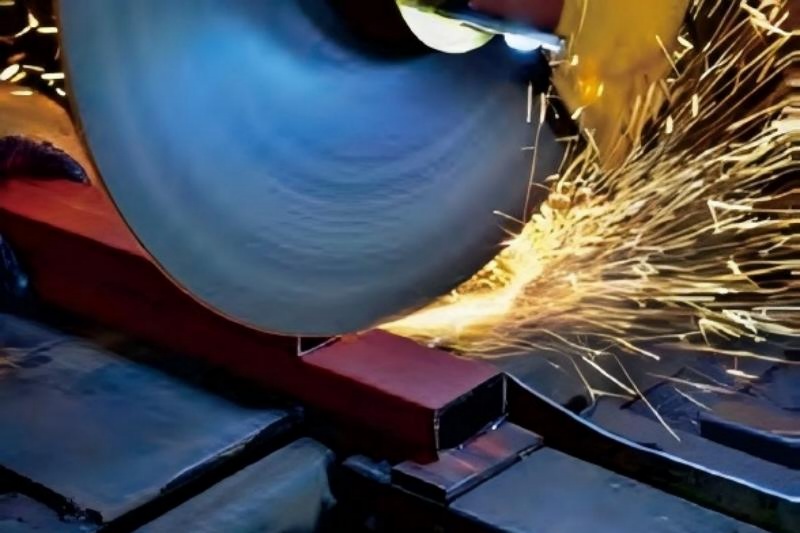


Selecting the correct saw blade is a critical factor in industrial metal cutting performance, directly impacting cut accuracy, surface finish, production efficiency and long-term tooling costs. Different metal materials, thicknesses and production volumes require matched blade specifications, and optimal results can only be achieved when paired with a high-performance circular sawing system. NHC CNC circular sawing machines are fully compatible with all mainstream industrial-grade metal cutting blades, delivering stable, cost-effective cutting solutions for steel service centers, automotive component manufacturing, forging facilities and heavy equipment production lines.
Key Takeaways
- Carbide-tipped (TCT) and cermet circular saw blades are the mainstream choices for industrial steel processing, balancing durability, cut quality and production efficiency.
- Proper blade selection depends on workpiece material, thickness, tolerance requirements and equipment specifications; incorrect matching causes chipping, overheating, excessive burrs and premature blade failure.
- Tooth count, tooth geometry and gullet design are core performance parameters: fewer teeth with large gullets suit thick stock, while more teeth with fine profiles deliver smoother finishes on thin material.
- Cooling lubrication and optimized feed parameters directly extend blade service life and reduce per-piece tooling costs.
- NHC circular sawing machines support all standard industrial blade types, with built-in oil mist cooling and servo-controlled feeding to maximize blade lifespan and cut consistency.
Common Types of Industrial Circular Saw Blades for Metal Cutting

Industrial metal cutting relies on four primary blade categories, each engineered for specific operating scenarios and material types.
Carbide-Tipped (TCT) Metal Cutting Blades
Carbide-tipped blades are the most widely used option for industrial steel processing. They feature tungsten carbide tooth tips brazed onto an alloy steel body, delivering exceptional hardness and wear resistance.
- Core advantages: Long service life, stable cutting performance, low burr formation, suitable for continuous high-volume production
- Typical applications: Carbon steel, alloy steel, stainless steel bars, tubes and structural profiles
- Best for: Medium to high volume production of standard steel components
Cermet Circular Saw Blades
Cermet blades use ceramic-metal composite tooth tips, offering higher hot hardness and finer cutting edges than standard carbide grades. They produce significantly smoother surface finishes and less burr on cut faces.
- Core advantages: Superior surface finish (Ra6.3 or better), longer wear life under high heat conditions, minimal secondary finishing required
- Typical applications: Precision stainless steel parts, alloy steel bars, tight-tolerance tube cutting
- Best for: High-precision, high-volume production where cut face quality is critical
High-Speed Steel (HSS) Blades
HSS blades are an economical option for light-duty, low-volume cutting. They offer good toughness but lower heat resistance compared to carbide grades.
- Core advantages: Low upfront cost, good toughness for thin-wall material
- Typical applications: Small-diameter thin-wall tubes, light section profiles, small-batch job shop work
- Best for: Low-volume, intermittent cutting of soft ferrous and non-ferrous materials
Abrasive Cutoff Wheels
Abrasive wheels grind through material instead of shearing it. They are used primarily for rough cutting of very large or heavy-section steel where toothed blades are not practical.
- Core advantages: Low initial cost, ability to cut very large cross-sections and mixed profiles
- Limitations: Poor cut finish, fast wear rate, high dust and spark generation
- Best for: Primary rough sizing operations where cut surface quality is not a priority
Note: Diamond blades are only used for specialized ultra-hard material cutting such as cemented carbide. They are not a standard option for general industrial steel processing.
How to Choose the Right Metal Cutting Circular Saw Blade

Follow this structured selection framework to match the optimal blade to your application.
Match Blade Type to Workpiece Material
- Ferrous metals (carbon steel, alloy steel, stainless steel) Prioritize carbide-tipped or cermet blades. For thick solid bar stock, select blades with flat-top teeth and deep gullets for efficient chip evacuation. For stainless steel, use coated specialty tooth profiles to reduce material adhesion and built-up edge.
- Non-ferrous metals (aluminum, copper, brass) Use dedicated non-ferrous blades with high positive rake angles and wide, polished gullets to prevent chip welding and surface scoring. Higher tooth counts deliver cleaner cut finishes on soft non-ferrous materials.
Select the Correct Tooth Configuration
Tooth count and geometry directly determine cut quality and blade life:
- Thick solid stock: Fewer teeth with deep gullets to maximize chip clearance and prevent overheating and clogging.
- Thin-wall tubes and sheet: More teeth with finer profiles to produce clean, burr-free edges and avoid material distortion.
- Tooth rake angle: Negative rake angles are standard for ferrous metals to increase tooth strength and impact resistance; positive rake angles are used for non-ferrous metals for sharper cutting and reduced adhesion.
Verify Equipment Compatibility
- Blade diameter and arbor bore must match machine specifications. NHC circular sawing machines support standard industrial blade sizes including Ø425mm, with custom configurations available for larger heavy-duty models.
- Spindle speed must match the recommended cutting speed for the blade and material. NHC CNC control systems automatically adjust spindle speed and feed rate to optimal values for each blade type and material grade.
Best Practices for Metal Cutting with Circular Saw Blades
How to Extend Circular Saw Blade Service Life
- Use proper cooling and lubrication: MQL (Minimum Quantity Lubrication) systems help reduce heat buildup and friction at the cutting edge, minimizing tooth wear during metal cutting.
- Optimize feed parameters: Match the feed rate to the material type, thickness, and blade specification. Excessive feed rates can overload tooth tips and shorten blade life.
- Perform regular inspections: Check for chipped teeth, abnormal wear, or buildup before each shift. Regrind blades when needed and apply anti-rust protection during storage.
- Ensure secure workpiece clamping: Stable clamping reduces vibration, improves cut quality, and prevents uneven tooth wear. Modern circular sawing machines, such as NHC systems, use rigid clamping designs to support consistent cutting performance.
Common Mistakes to Avoid
- Using woodworking blades on metal: Wood blade teeth lack the strength and geometry for metal cutting, and will chip or fracture rapidly, creating serious safety hazards.
- Excessive feed speed: Causes blade overload, tooth overheating and permanent body deformation.
- Operating without coolant: Accelerates tooth wear dramatically and shortens blade service life significantly.
- Continuing to use heavily worn blades: Degrades cut quality, increases machine load and raises the risk of catastrophic blade failure.
Conclusion
Selecting the right circular saw blade is a core decision that directly determines cut quality, production efficiency and total tooling cost in industrial metal processing. The optimal choice depends on workpiece material, part geometry, volume requirements and equipment capabilities.
Pairing a properly selected blade with optimized cutting parameters, reliable cooling and stable machine performance delivers the best long-term results. As a professional manufacturer of CNC steel circular sawing equipment, NHC not only supplies high-precision sawing machines, but also provides full technical support for blade selection and process optimization, helping customers achieve maximum productivity and lowest per-piece processing cost.
FAQ
What is the most widely used blade for industrial steel cutting?
Carbide-tipped (TCT) circular saw blades are the industry standard for general industrial steel processing. They balance durability, cutting speed and cost effectively for carbon steel, alloy steel and most stainless steel applications. For high-precision requirements, cermet blades are the premium upgrade for smoother cut finishes and longer service life.
Can I use the same blade for steel and aluminum cutting?
No, it is not recommended. Steel and aluminum have fundamentally different cutting properties, requiring different tooth geometry, rake angles and gullet designs. Cross-use causes chip buildup, poor surface finish and accelerated blade damage.
How long does an industrial metal cutting saw blade last?
Service life varies widely based on material hardness, cross-section thickness, cutting parameters and cooling performance. For standard carbon steel bar cutting, a premium carbide blade can deliver tens of thousands of cuts before regrinding is required. Life is shorter for harder materials such as stainless steel.
Are NHC circular sawing machines compatible with standard industrial saw blades?
Yes. All NHC CNC circular sawing machines work with industry-standard carbide, cermet and HSS blade sizes. We also offer custom tooth profile and blade matching support for specialized applications. The built-in cutting parameter database on NHC controls automatically loads optimal speed and feed settings for each blade type and material combination.