
4140 is not classified as tool steel under standard industry definitions, but it is widely used in tooling applications. It belongs to the alloy structural steel family, specifically a chromium-molybdenum low-alloy steel. Its combination of toughness, fatigue resistance, and moderate wear resistance makes it a practical choice for tool holders, die holders, and short-run tooling. NSPM, a wholesale alloy steel manufacturer and supplier, stocks 4140 in multiple forms with certified mill test certificates.
Key Takeaways
- 4140 is an alloy structural steel, not a tool steel. Tool steels are classified under AISI/SAE grades like D2, H13, and A2.
- 4140 typically contains 0.38–0.43% carbon, 0.80–1.10% chromium, and 0.15–0.25% molybdenum.
- In the quenched and tempered condition, 4140 reaches 850–1,000 MPa tensile strength and 248–302 HB hardness.
- It is used for die holders, tool holders, short-run stamping dies, and brake die tooling.
- 4140 lacks the high carbon and carbide content of true tool steels, limiting its abrasive wear resistance.
- NSPM supplies 4140 as a wholesale alloy structural steel with custom cutting and open die steel forgings for large tooling components.
What Is 4140 Steel?
4140 is a chromium-molybdenum low-alloy steel defined by AISI/SAE 4140 and UNS G41400. Its typical composition includes 0.38–0.43% carbon, 0.75–1.00% manganese, 0.80–1.10% chromium, and 0.15–0.25% molybdenum. The chromium and molybdenum additions provide good hardenability, enabling through-hardening in sections up to approximately 100 mm. In the quenched and tempered condition, 4140 delivers a tensile strength of 850–1,000 MPa and a Brinell hardness of 248–302 HB.
This grade is valued for its balance of strength, toughness, and fatigue resistance. It is not designed for extreme wear resistance or high-temperature service. Instead, it serves as a general-purpose high-strength alloy steel for shafts, gears, bolts, and tooling components where shock resistance and machinability matter more than abrasive wear resistance.
Why 4140 Is Not Classified as Tool Steel
The Formal Classification
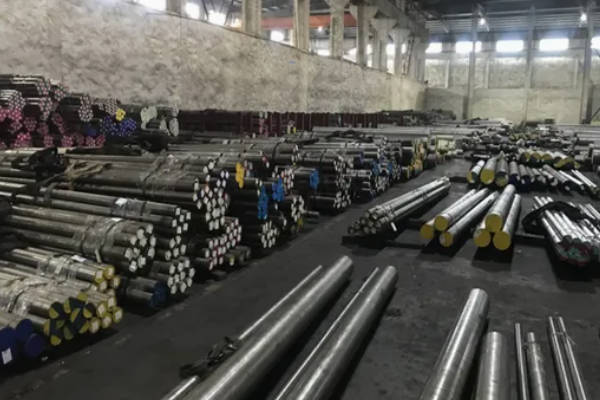
Tool steels are classified under the AISI/SAE tool steel system, which includes grades such as D2 (cold work), H13 (hot work), and A2 (cold work). These grades are defined by their high carbon content (often above 0.5%) and significant carbide-forming alloying elements like chromium, vanadium, and tungsten. 4140 falls under the alloy structural steel category, not the tool steel category. Even industry references that acknowledge its popularity in toolrooms explicitly note that 4140 is “not considered tool steel” under formal classification.
The Practical Distinction
The practical difference lies in wear resistance and hardening capability. True tool steels like D2 can reach 58–64 HRC and contain large volumes of hard carbides that resist abrasive wear. 4140 reaches a maximum of approximately 50 HRC and has a lower carbide content, which limits its performance in high-wear applications. For short-run tooling or tool holders where shock resistance is more important than abrasive wear, 4140 performs well. For high-volume stamping, extrusion, or cutting applications, a dedicated tool steel is the correct choice.
Where 4140 Is Used in Tooling
Despite not being a tool steel, 4140 is common in tooling support roles. Typical applications include die holders, tool holders, brake die tooling, support tooling, and short-run stamping and bending dies. It is also used for ejector pins, guide rods, and hydraulic shafts in mold and die assemblies. In these roles, 4140 provides the strength and toughness needed to support the working surfaces of the tool without requiring the wear resistance of a tool steel.
When to Choose 4140 vs. a True Tool Steel
Choose 4140 When…
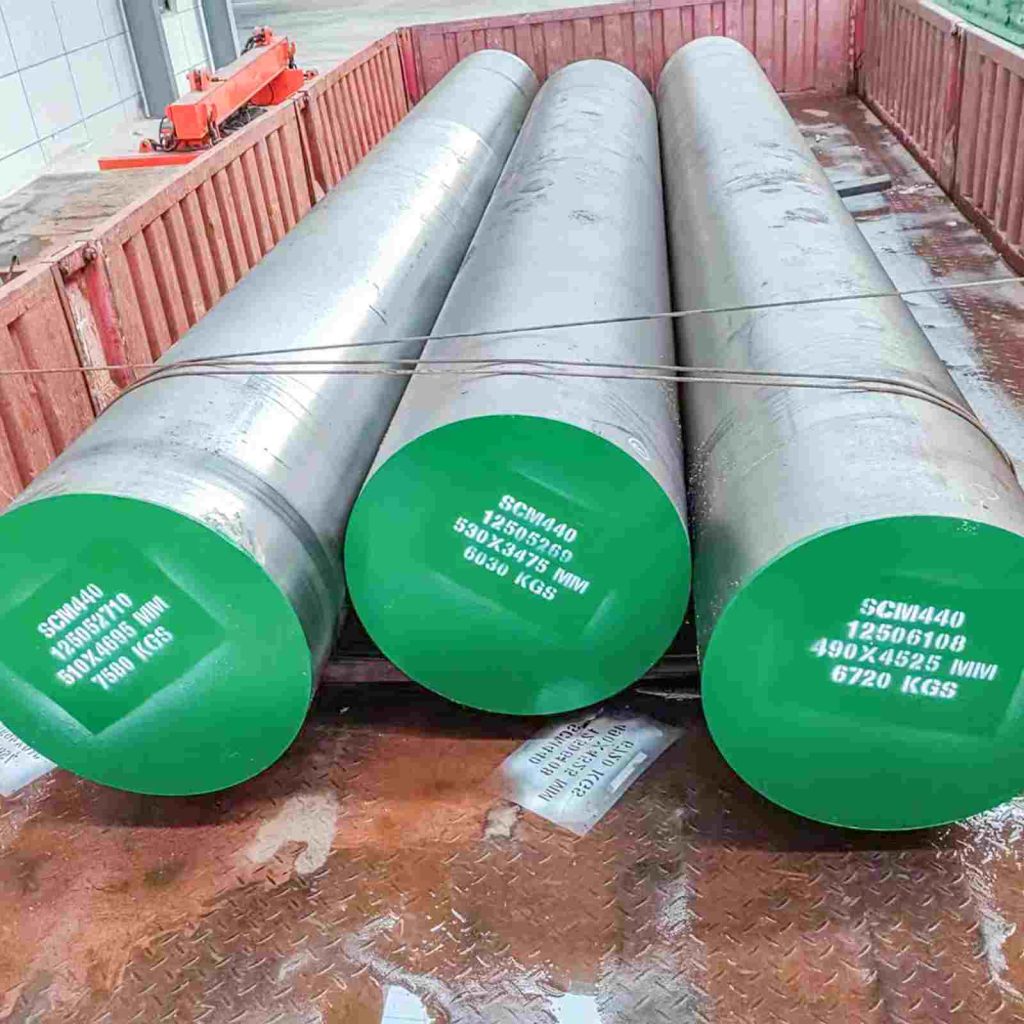
Toughness and shock resistance are the priority. 4140 excels in applications where the tooling experiences impact loading, such as hammer dies, support blocks, and die holders. It is also the more economical choice and is available in a wider range of sizes and forms than most tool steels. For short-run production or prototype tooling, 4140 often delivers adequate performance at lower cost.
Choose a Tool Steel When…
Abrasive wear resistance or high-temperature hardness is required. D2 is the standard for cold work tooling that must resist abrasion. H13 is preferred for hot work applications involving thermal cycling. A2 offers a balance of toughness and wear resistance for general-purpose tooling. These grades contain higher carbon and alloy content specifically designed to form hard carbides and maintain hardness at elevated temperatures.
For tooling applications that require both support strength and wear resistance, NSPM also supplies a full range of tool steel including hot work, cold work, and plastic mold grades.
FAQ
What is the hardness of 4140?
In the quenched and tempered condition, 4140 typically reaches 248–302 HB (approximately 25–32 HRC). It can be surface hardened by nitriding or induction hardening to achieve higher surface hardness.
Does NSPM supply 4140 steel?
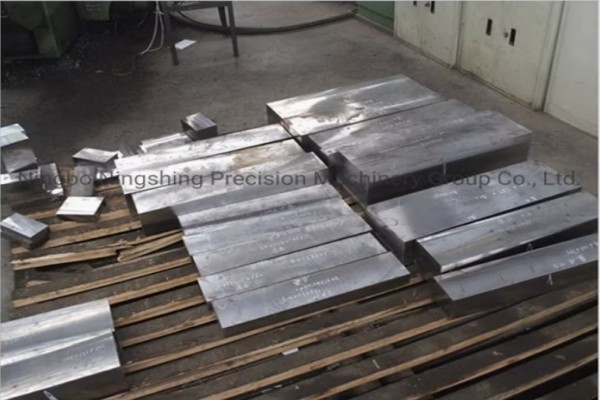
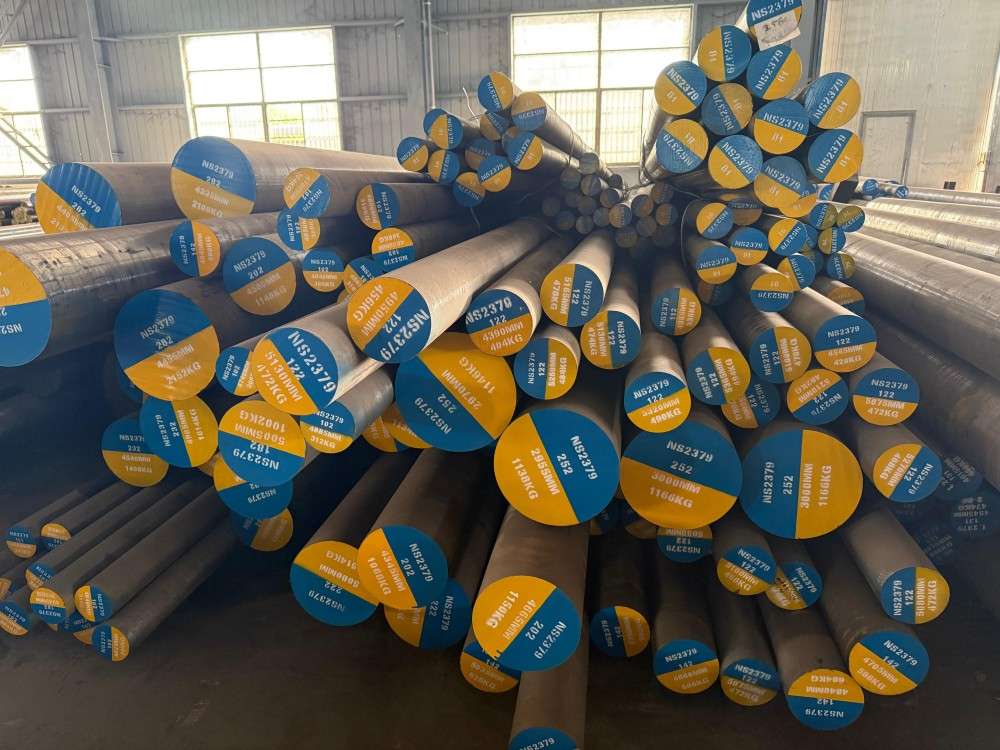
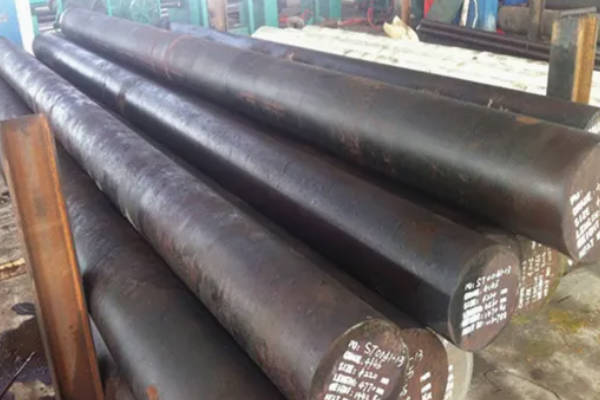
Yes. NSPM supplies 4140 as a wholesale alloy structural steel in round bars, plates, and custom sizes. The company offers certified mill test certificates and precision cut to size services using advanced circular saw systems. For large tooling components, NSPM provides open die steel forgings with ultrasonic testing on request.
What should buyers confirm before ordering 4140 for tooling?
Confirm the heat treatment condition (annealed, quenched and tempered, or pre-hardened), hardness range, and mechanical properties. For tooling support applications, verify that the material meets the required strength and toughness specifications. Ask for mill test certificates and ultrasonic inspection reports for critical components.