
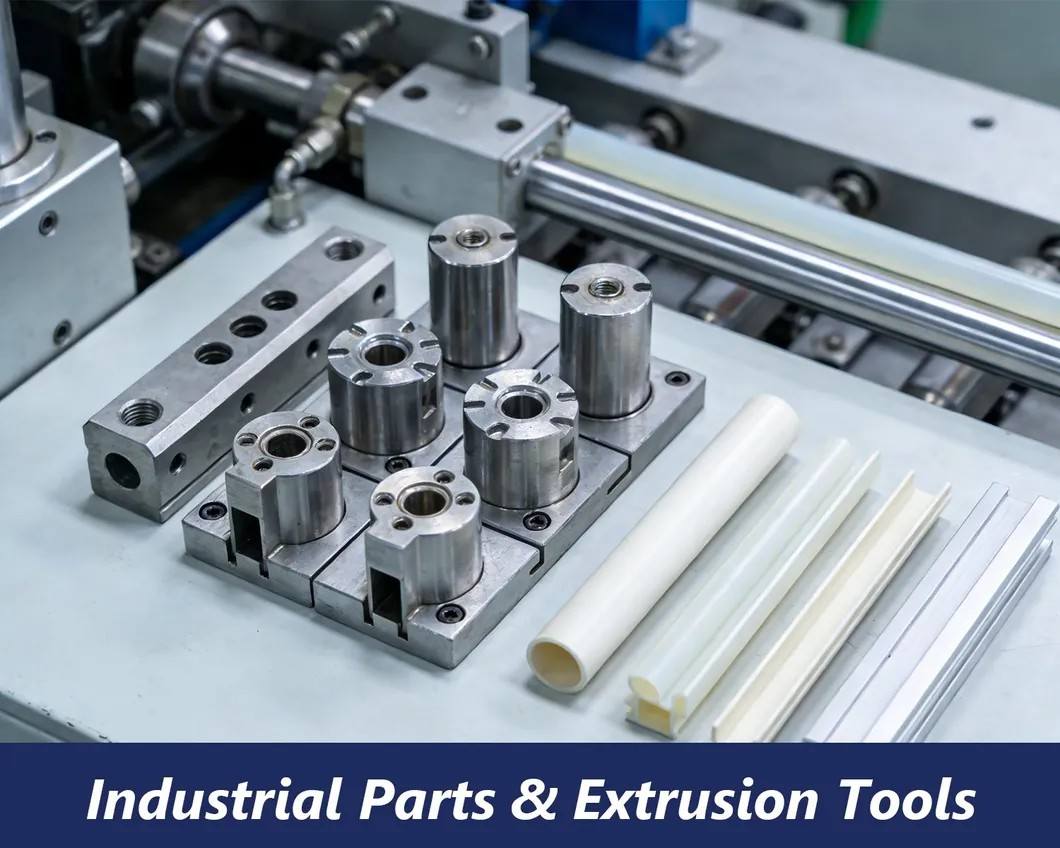

A circular saw is best known for fast, consistent straight cuts across a wide range of materials, and its ideal use case depends entirely on the class of tool. Handheld portable circular saws are a staple for on-site woodworking, construction and DIY projects, while heavy-duty industrial circular sawing machines are the benchmark solution for high-volume precision cutting of steel bars, tubes and profiles in manufacturing settings. Below we break down the best applications for both types, along with selection guidance to match your specific needs.
Key Takeaways
- Handheld circular saws excel at on-site straight cuts for wood, sheet goods and light-gauge metal, making them ideal for construction jobsites and DIY work.
- Industrial circular sawing machines are optimized for high-volume precision cut-off of steel bars, tubes and structural profiles, delivering better efficiency and finish quality than most alternative cutting methods.
- Matching the right blade type to your material is the single most impactful step for clean cuts and safe, long tool life.
- For large-scale steel processing, CNC automated circular sawing machines offer the lowest per-piece cost and highest consistent dimensional accuracy.
- NHC circular sawing machines deliver industry-leading performance for high-volume industrial steel cutting applications.
Common Uses for Handheld Circular Saws
For contractors, carpenters and home DIYers, portable circular saws are valued for their mobility and versatility. They are the go-to tool for jobs that require on-site cutting capability.
Woodworking & Construction Jobsite Work
This is the most widespread use for handheld circular saws. They are the standard tool for framing, roofing, flooring and siding work on construction sites, capable of ripping lumber and breaking down large sheet goods quickly.
- Best for: Rip cuts along the grain, crosscuts to length, sizing plywood, MDF, particleboard and solid lumber
- Performance note: Low-tooth-count blades deliver fast ripping speed; higher-tooth-count blades produce smoother crosscut finishes. Matching blade type to wood density and cut direction yields the cleanest results.
Light-Gauge Metal & Plastic Cutting
When fitted with the correct specialized blade, handheld circular saws can handle thin metal and plastic fabrication work.
- For metal: Suitable for thin steel studs, aluminum trim, copper pipe and light-gauge sheet metal
- For plastic: Works for acrylic, PVC and ABS sheet, with blade tooth geometry matched to material hardness to avoid chipping or melting
Core Advantages of Handheld Models
- Portability: Can be transported and used anywhere on a jobsite without a fixed workstation
- Flexibility: Handles both long rip cuts and short crosscuts with basic guide accessories
- Accessibility: Available at a wide range of price points for users from hobbyists to professional tradespeople
Handheld circular saws are not designed for continuous heavy-duty use, thick solid metal or high-precision repeatable production work. For those applications, industrial-grade circular sawing machines are the appropriate solution.
What Industrial Circular Sawing Machines Are Best For
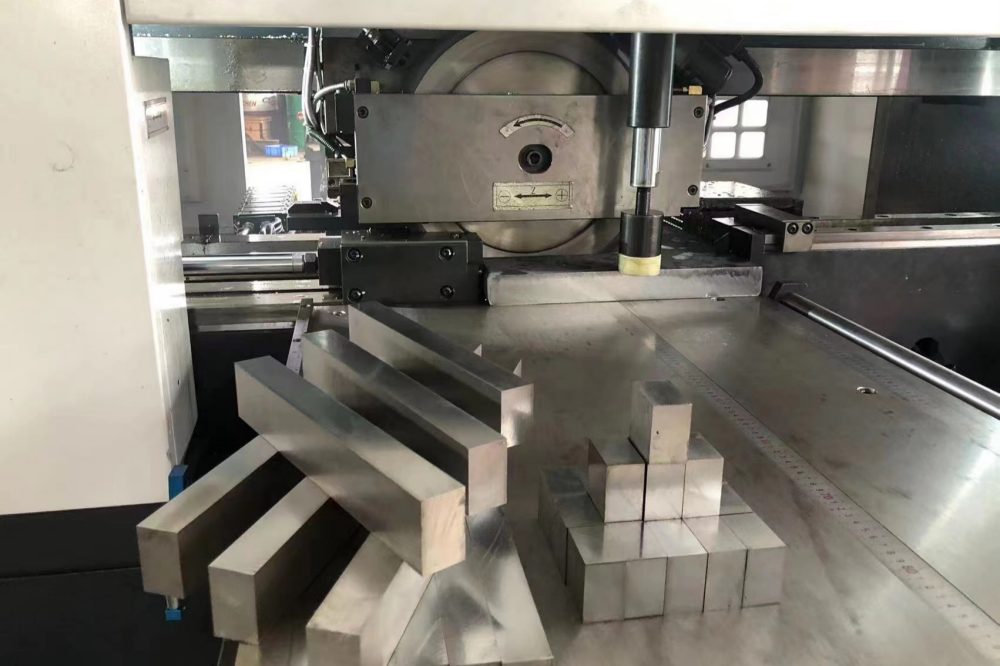
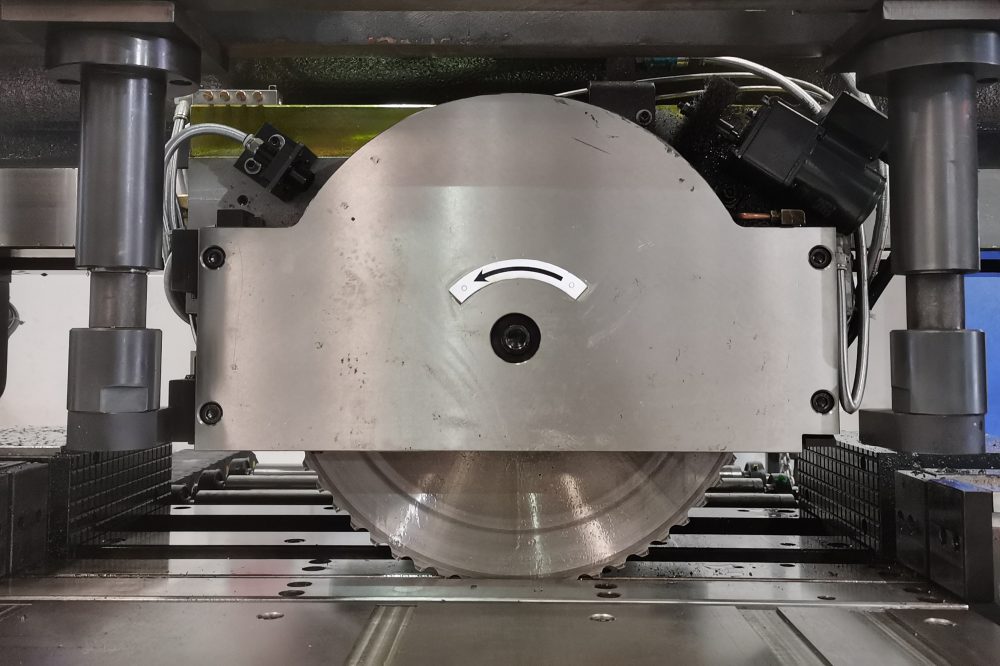
Unlike portable handheld tools, industrial circular sawing machines are stationary, heavy-duty systems built for continuous production use. They excel at high-volume straight cut-off of metal stock, and are the preferred solution for steel processing in factory settings.
High-Volume Steel Bar & Tube Cut-Off
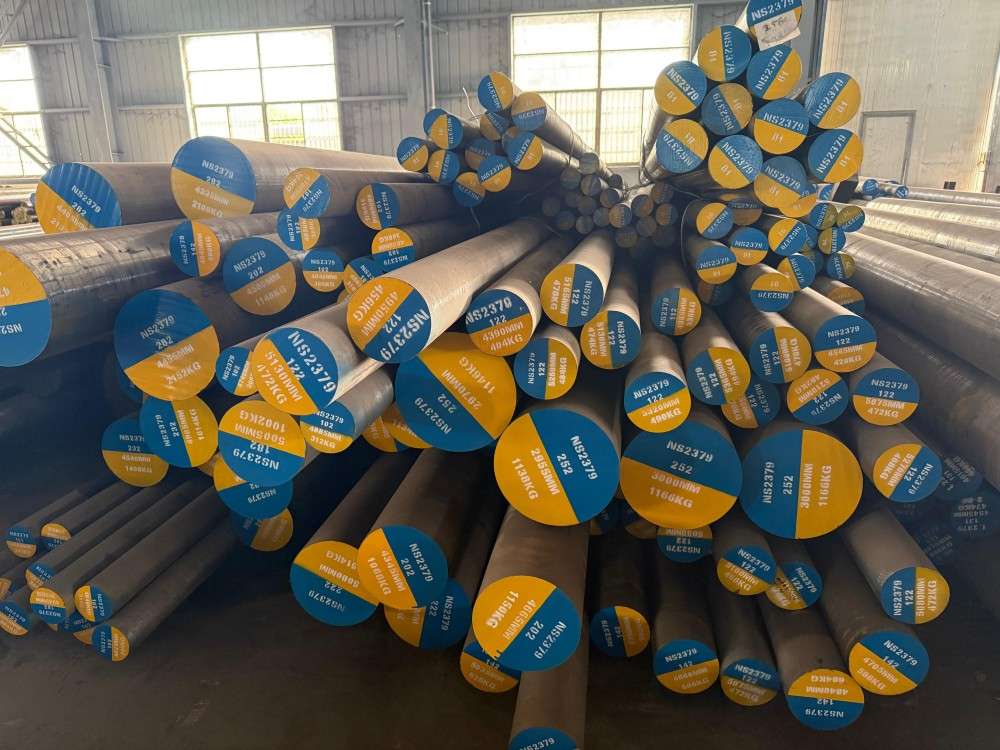
This is the primary strength of industrial circular saws. For steel service centers, forging plants and automotive component manufacturers that need to cut thousands of fixed-length steel blanks per day, circular sawing machines deliver the highest overall efficiency.
- Fast, repeatable cycle times for solid round bars, heavy-wall tubes and standard structural profiles
- Narrow cutting kerf minimizes material waste compared with abrasive saws and thermal cutting methods
- Automated feeding and indexing enable unattended continuous production
Precision Blank Preparation
Premium CNC circular sawing machines produce flat, square cut faces with minimal burr, often eliminating the need for secondary milling, grinding or deburring operations.
- Typical performance: ±0.2mm length tolerance, perpendicularity ≤0.3mm/100mm, Ra6.3 surface finish
- Cut parts can move directly to turning, forging or welding processes with no extra finishing work
Structural Steel & Profile Processing
Heavy-duty circular sawing machines handle structural steel sections, angle iron, channel and beam cut-to-length work for metal fabrication and construction supply. Rigid clamping systems prevent profile distortion during cutting for consistent, ready-to-assemble parts.
How to Pick the Right Circular Saw for Your Work
- For on-site construction, woodworking or small DIY projects Choose a handheld circular saw. Prioritize blade compatibility with your primary material, and add a straight edge guide for cleaner long cuts.
- For small metal fabrication shops with low to medium volume Choose a benchtop cold saw or semi-automatic circular saw for cleaner metal cuts than abrasive chop saws.
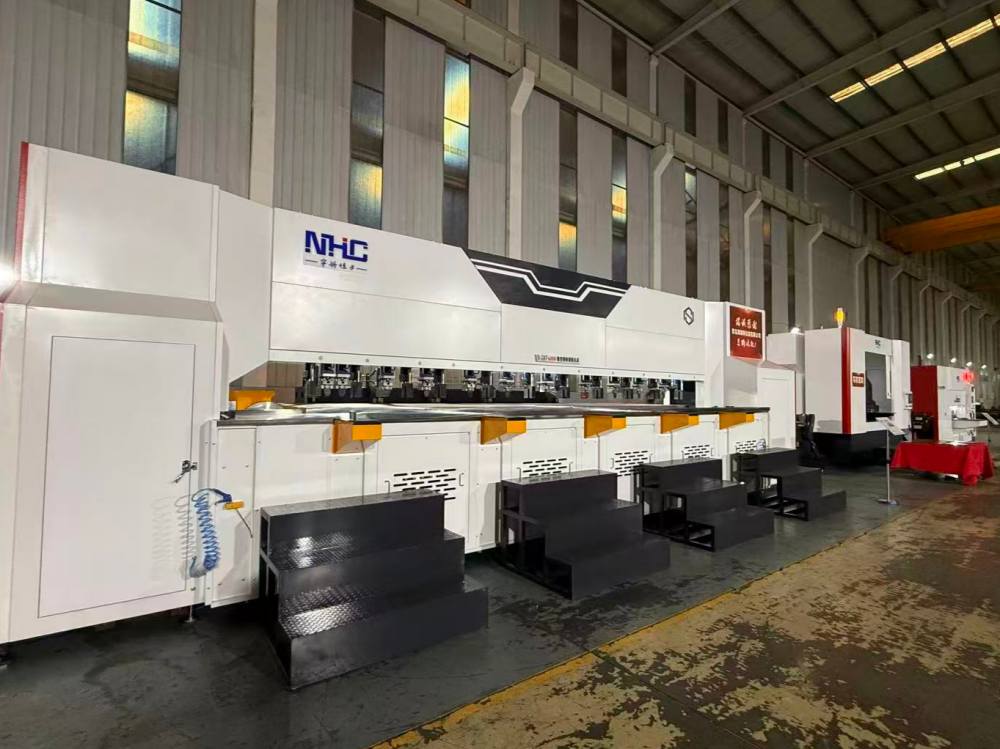
- For high-volume steel bar, tube or profile processing in a factory setting Choose a fully automated CNC circular sawing machine. For maximum productivity, cut quality and long-term cost savings, NHC heavy-duty circular sawing machines are the optimal solution for steel processing operations.
Conclusion
At its core, a circular saw is best for fast, straight cuts — but the right use case ranges from on-site carpentry work with a handheld model to high-volume industrial steel processing with a heavy-duty CNC machine.
For general construction, woodworking and DIY projects, portable handheld circular saws offer unbeatable versatility and convenience. For factory-scale steel bar, tube and profile processing, industrial circular sawing machines are the highest-performing solution for productivity, precision and total cost efficiency. If you are evaluating equipment for high-volume steel cutting, NHC circular sawing machines provide purpose-built performance and reliable long-term operation for steel service centers, forging facilities and automotive component manufacturers.
FAQ
What materials can a standard handheld circular saw cut?
With the correct blade, handheld circular saws can cut wood, plywood, engineered wood products, light-gauge metal and plastic. Wood is the most common and best-suited application. Always use a blade rated for your specific material to avoid damage and safety hazards.
Is a circular saw better than a jigsaw for straight cuts?
Yes. Circular saws are far faster and produce straighter, cleaner edges for long straight cuts. Jigsaws are better suited for curves, interior cutouts and intricate shapes, not for straight line ripping or crosscutting of large stock.
When should you choose an industrial circular saw over a bandsaw for steel cutting?
Choose a circular sawing machine when you need higher production speed, better surface finish and tighter length tolerances for bar and tube cut-off. Circular saws deliver faster cycle times and require less secondary finishing, making them more cost-effective for high-volume production runs.
What makes NHC circular sawing machines suitable for factory steel processing?
NHC machines combine heavy-duty construction, precision servo control and optimized cooling systems to deliver consistent performance in continuous production environments. They reduce per-piece cutting cost, extend blade service life and produce burr-free cut faces that eliminate secondary operations, delivering measurable ROI for steel processing facilities.