

A36 is not the same as hot rolled steel, but the two terms are closely related. A36 is a specific material grade defined by ASTM A36/A36M, while hot rolled describes the manufacturing process. Most A36 steel products are supplied in the hot rolled condition, which is why the terms are often used interchangeably in practice. However, hot rolled steel can refer to many other grades beyond A36. Understanding the distinction helps buyers specify the right material for structural and general engineering applications.
Key Takeaways
- A36 is a steel grade standard, not a rolling process. It defines chemical composition and mechanical properties.
- Hot rolled is a manufacturing method where steel is shaped above its recrystallization temperature.
- A36 is almost always supplied in the hot rolled condition, so “A36” and “hot rolled” often appear together.
- Hot rolled steel includes grades like A572, A992, and SS400, not just A36.
- A36 offers a yield strength of at least 250 MPa (36 ksi) and tensile strength of 400–550 MPa, with elongation of 20% or higher.
- A36 equivalent grades include S235JR (EN), Q235B (GB), and SS400 (JIS).
What A36 Steel Actually Is
A36 is a carbon structural steel specification maintained by ASTM International. It covers shapes, plates, and bars used in riveted, bolted, or welded construction of bridges, buildings, and general structures. The “36” in A36 refers to the minimum yield strength of 36,000 psi (approximately 250 MPa). Typical tensile strength ranges from 400 to 550 MPa, with elongation of 20% or more. The carbon content is capped at 0.26%, and manganese content varies depending on the product form.
This grade is valued for its weldability, availability, and cost-effectiveness. A36 is a general-purpose structural steel rather than a high-performance alloy grade. NSPM supplies alloy structural steel grades for more demanding applications, including 4140 and 4340, alongside carbon structural steels for general fabrication.
What Hot Rolled Steel Means
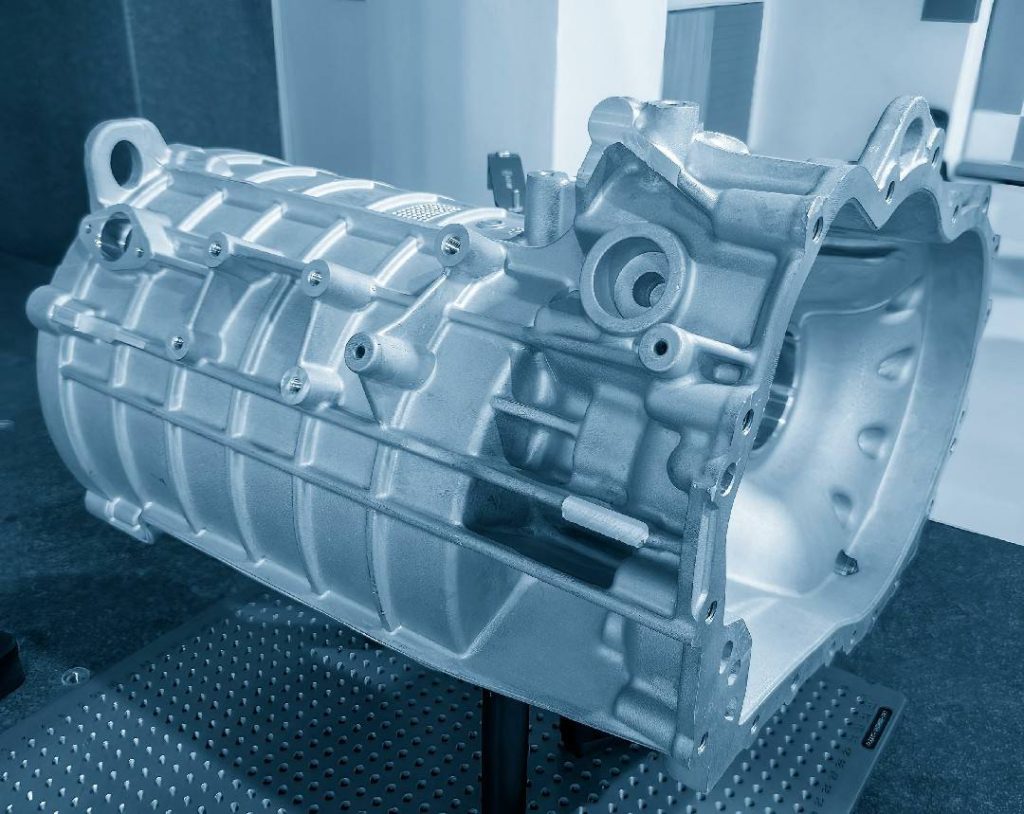
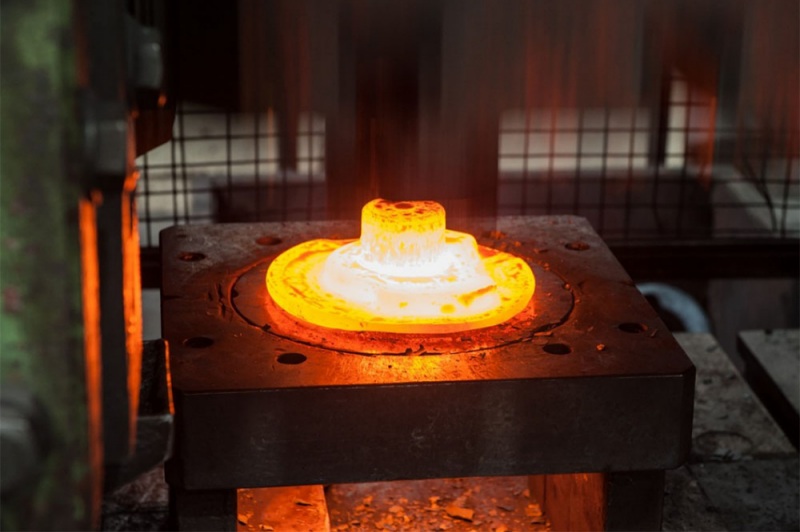
Hot rolled steel is produced by heating a steel slab or billet above the recrystallization temperature, typically over 1,700°F (926°C), and then rolling it to the desired shape. This process allows the steel to be formed easily and produces a rougher surface finish with mill scale. Hot rolled steel is cheaper than cold rolled because it requires less processing.
Almost all steel stock goes through a hot rolling stage at some point. The final product may be sold as hot rolled or further processed by cold rolling. When suppliers say “hot rolled steel,” they usually mean the product was rolled at high temperature and sold without additional cold finishing.
The Real Relationship Between A36 and Hot Rolled Steel
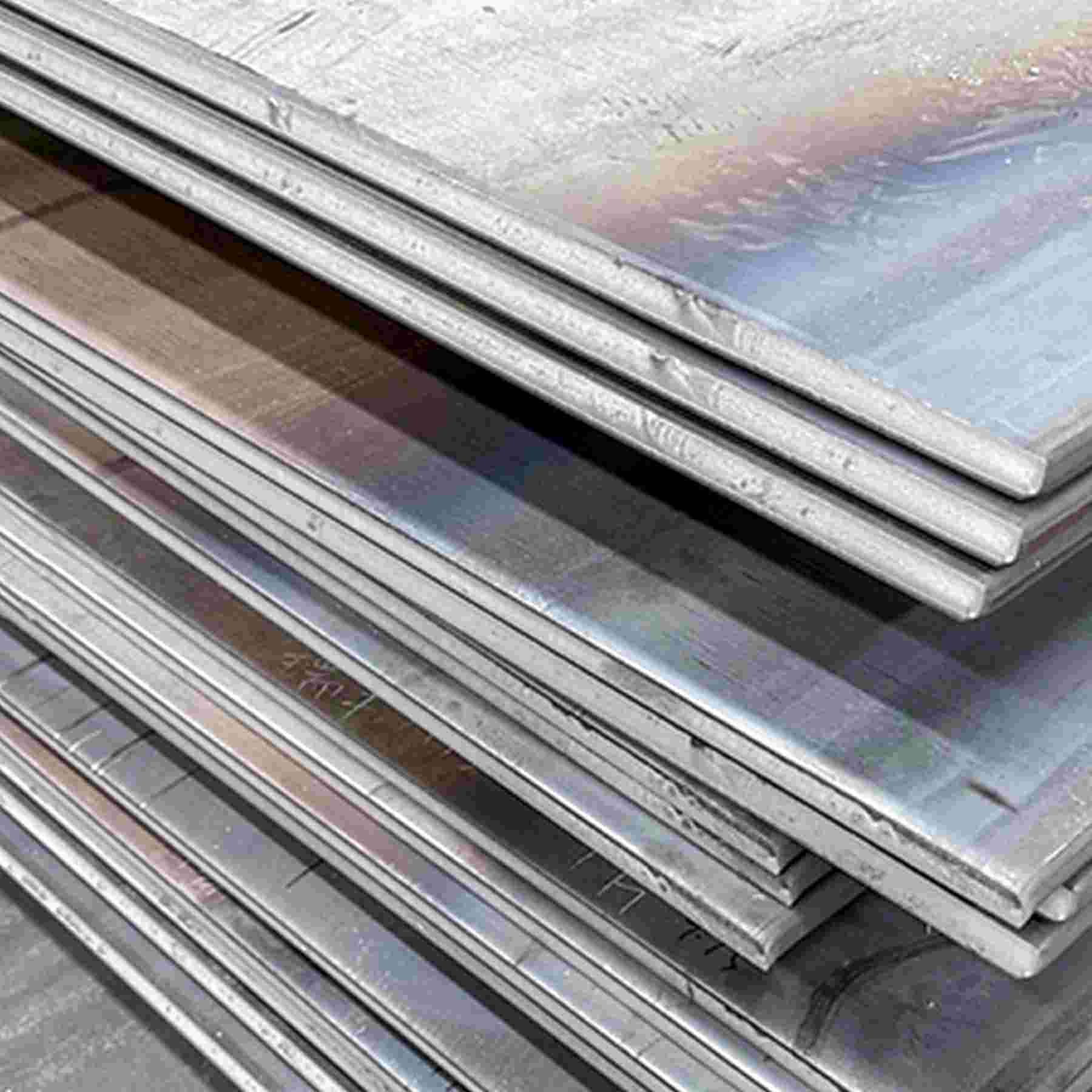
A36 and hot rolled are not competing terms. A36 is a grade specification, and hot rolled is a condition of supply. Most A36 steel plate, bar, and structural shapes are produced by hot rolling. In many purchasing contexts, “hot rolled A36” is the standard product.
However, hot rolled steel is not always A36. Other grades such as A572 Grade 50, A992, and SS400 are also supplied in the hot rolled condition. A572 offers higher strength than A36 due to additional alloying elements like vanadium and niobium. A36 remains the most common hot rolled structural grade because of its balance of cost and performance.
The key distinction for buyers is this: specifying A36 tells the supplier what mechanical properties and chemistry you need. Specifying hot rolled tells them the surface finish and dimensional tolerance you can expect. Both pieces of information matter when ordering.
The Applications and Selection of A36
Where A36 Hot Rolled Steel Is Used
A36 is used in structural frameworks, base plates, gussets, brackets, and general fabrication. It is common in building construction, bridge components, and equipment frames. Because it welds easily and is widely available, A36 is often the default choice for non-critical structural parts.
For applications requiring higher strength or better wear resistance, alloy grades such as 4140 or 4340 are preferred. NSPM manufactures and supplies these alloy structural steels in wholesale quantities, including open die steel forgings for large custom components. For tooling applications, NSPM also offers a full range of tool steel including hot work, cold work, and plastic mold grades.
When to Choose a Different Hot Rolled Grade
If the application requires a higher yield strength than 250 MPa, A572 Grade 50 provides 345 MPa yield strength and is still readily available in hot rolled form. For atmospheric corrosion resistance, A588 or A242 may be specified. For general machining rather than structural use, cold drawn 1018 offers tighter tolerances and a smoother finish than hot rolled A36.
FAQs About A36 and Hot Rolled Steel
Is A36 always hot rolled?
A36 is almost always supplied in the hot rolled condition. It can also be normalized or stress-relieved, but hot rolling is the standard mill process for structural shapes and plates. Cold rolled A36 is uncommon because the grade is not designed for tight-tolerance precision applications.
Can I use hot rolled steel instead of A36?
Only if the hot rolled steel meets the A36 specification. Not all hot rolled steel is A36. Check the mill certificate to confirm the grade. If the application has structural requirements, using an unspecified hot rolled grade could compromise safety.
What is the difference between A36 and 1018 steel?
A36 is hot rolled and intended for structural use. 1018 is a cold drawn low-carbon steel used for precision parts, shafts, and components requiring tighter tolerances and a smoother finish. They serve different purposes and are not interchangeable in precision applications.
Does NSPM supply A36 and other hot rolled structural steels?
NSPM supplies alloy structural steel, carbon structural steel, and tool steel for engineering and mechanical applications. The company offers wholesale quantities with certified mill test certificates and custom cutting services. For specific grade availability and sizes, contact the NSPM technical sales team.