

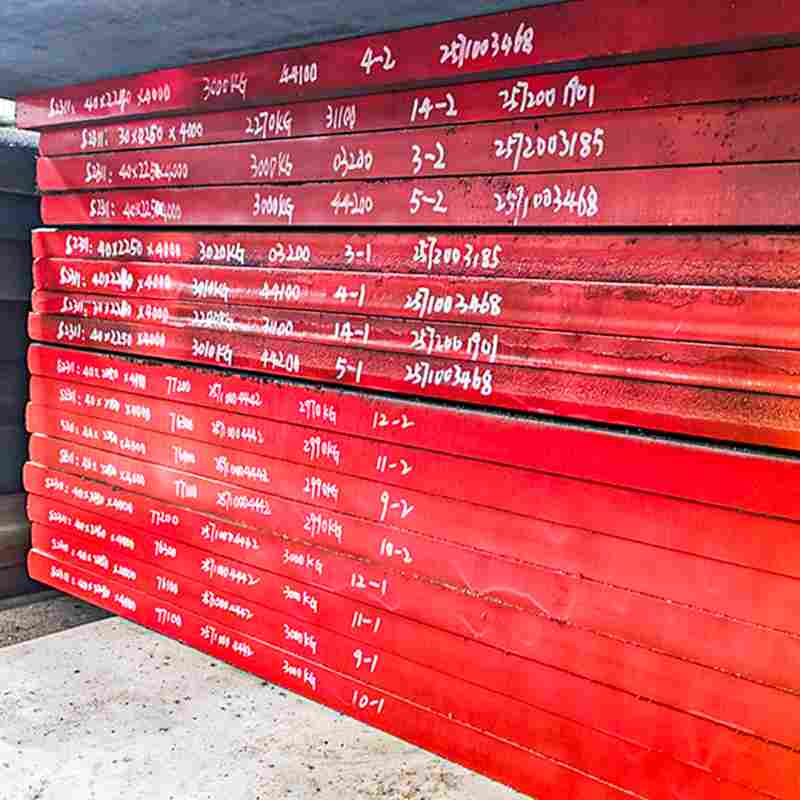
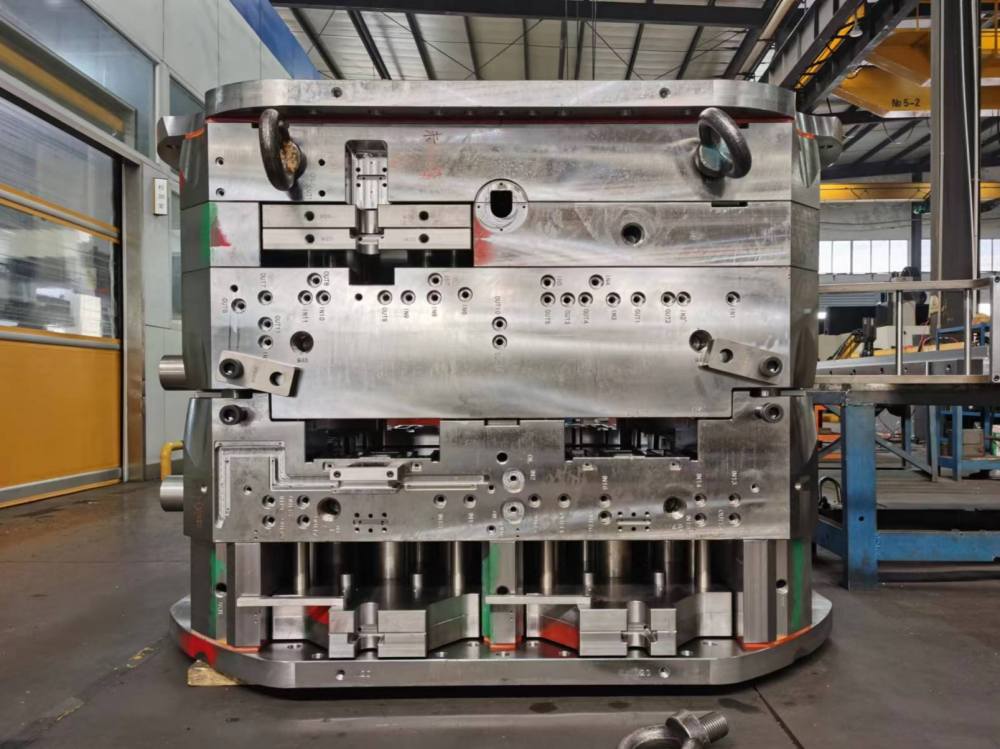
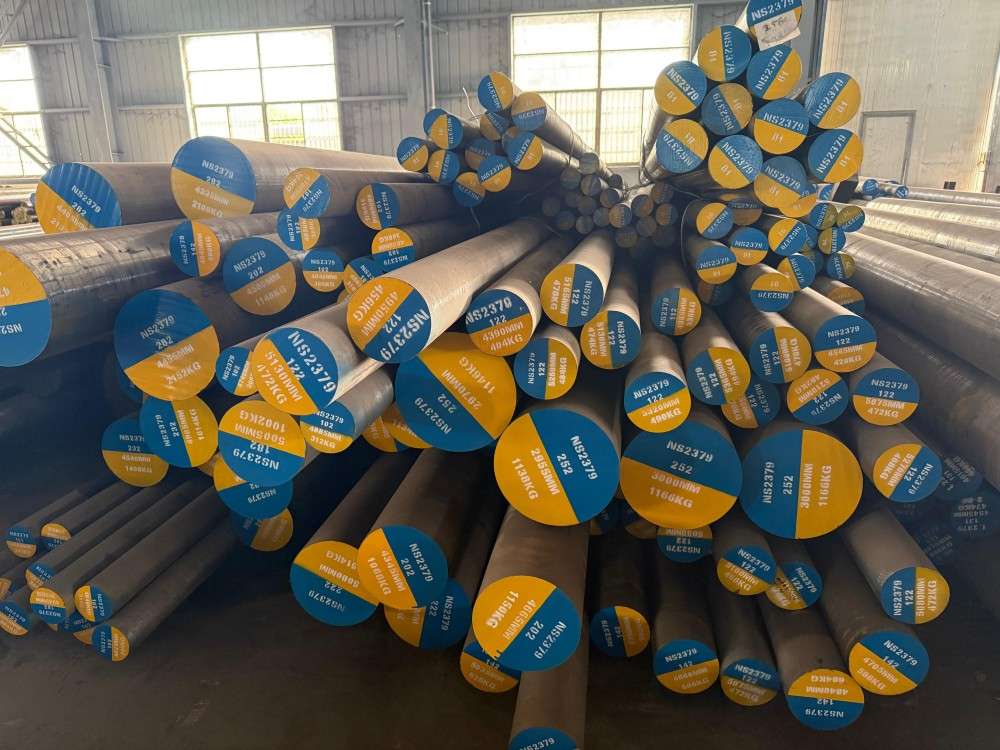
Plastic mold steel is a specialized tool steel designed for manufacturing cavities and cores used in injection molding. It is characterized by high hardness, excellent polishability, and good corrosion resistance, enabling molds to withstand the high pressures and temperature fluctuations of the plastic processing cycle. Common grades include P20 (pre-hardened to 28–34 HRC) and 1.2083 (a high-chromium grade offering acid resistance).
Key Takeaways
- Plastic mold steel resists corrosion and polishes well — essential for shaping plastic under high pressure.
- Choose P20 for most plastic molds. Use 1.2083 for plastics that release corrosive gases, such as PVC.
- Production volume determines required hardness: low volume calls for softer steel; high volume calls for harder steel.
- Good polishability creates mirror-like finishes; higher hardness extends mold life.
What Is Plastic Mold Steel?
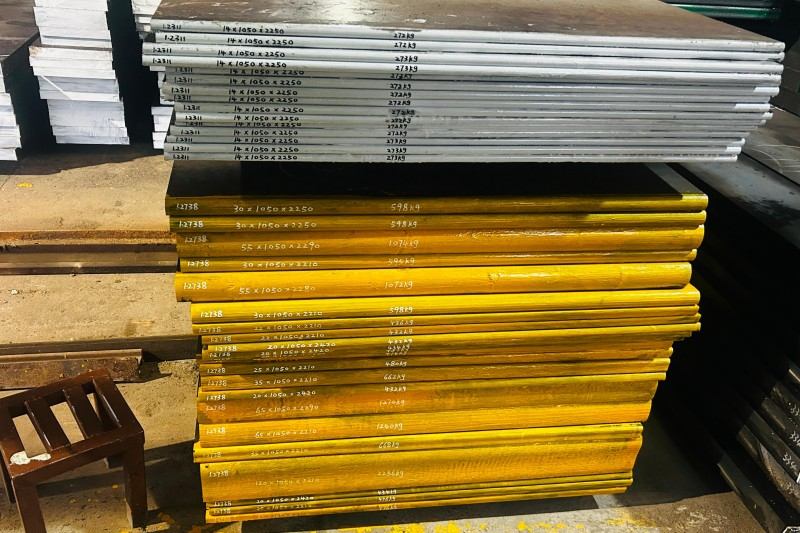
Definition and Role in Injection Molding
Plastic mold steel is a tool steel specifically designed for mold cavities and cores. Its primary function is to form the surfaces that shape molten plastic. The steel must maintain dimensional stability and resist deformation under clamping and injection pressures. If rigidity is insufficient, minute deformations occur with each cycle, leading to dimensional deviations that cannot be corrected by adjusting machine parameters.
Pre-hardened steel is the most common type. Standard P20 has a hardness of 28–34 HRC (per ASTM A681) and can be machined directly without additional heat treatment. Hardness selection depends on production requirements: 28–32 HRC for ordinary molds, 30–34 HRC for medium-batch production, and 36–38 HRC for upgraded P20 used in large-scale production. Higher hardness improves durability but increases machining difficulty; lower hardness is easier to machine but wears faster.
Surface finish requirements also drive material choice. Transparent parts and optical lenses often demand a mirror finish (Ra ≤ 0.05 µm per ISO 4287), achievable only with specialized mold steels. Corrosion resistance is critical for plastics like PVC or flame-retardant grades that release acidic gases.
In one case I worked on, a molder producing glass-filled PA66 parts used P20 at 30 HRC. After 5,000 shots, the gate area had worn 0.2 mm, causing dimensional drift. Switching to H13 at 48 HRC extended tool life to over 500,000 shots. The cost difference was recovered within the first production run through reduced downtime and scrap.
Plastic Mold Steel vs Other Tool Steels
Plastic mold steels differ from hot-work tool steel and cold-work tool steel. Hot-work steels such as H13 or H11 are designed for high-temperature environments (above 600°C) in die casting and extrusion, offering thermal fatigue resistance. Plastic injection molds operate at lower temperatures (150–250°C), so the performance focus shifts to surface finish and corrosion resistance. The chromium content in 1.2083, for example, provides acid resistance not found in hot-work steels.
Cold-work steels like D2 or O1 excel in wear resistance for stamping and cutting due to high carbon and carbide content. Plastic molds prioritize machinability and polishability over sheer hardness. Complex geometries and mirror finishes for transparent parts require steels that polish cleanly; cold-work steels can leave visible marks.
| Category | Operating Temperature | Key Properties | Typical Grades |
|---|---|---|---|
| Plastic mold steel | 150–250°C | Polishability, corrosion resistance | P20, 718, NAK80, S136 |
| Hot-work steel | >600°C | Thermal fatigue resistance, hot hardness | H13, H11 |
| Cold-work steel | <200°C | Wear resistance, high hardness | D2, O1 |
Carburizing-grade plastic mold steels feature a hard surface layer and tough core, ideal for molds with thin ribs or intricate structures. They balance wear resistance and polishability.
Why Material Selection Matters
The choice of plastic mold steel directly affects tool life, part quality, and total cost. A mold made from the wrong grade may fail prematurely, causing costly downtime and rework.
In one documented case, a molder producing transparent polycarbonate lenses used P20. After polishing, the surface showed “orange peel” defects. Switching to S136 ESR achieved an SPI A1 mirror finish and eliminated the defect. The project was delayed by two weeks but saved from scrapping the entire tool.
Proper selection balances hardness, corrosion resistance, polishability, and machinability against production volume, plastic type, and surface finish requirements.
Key Properties of Plastic Mold Steel
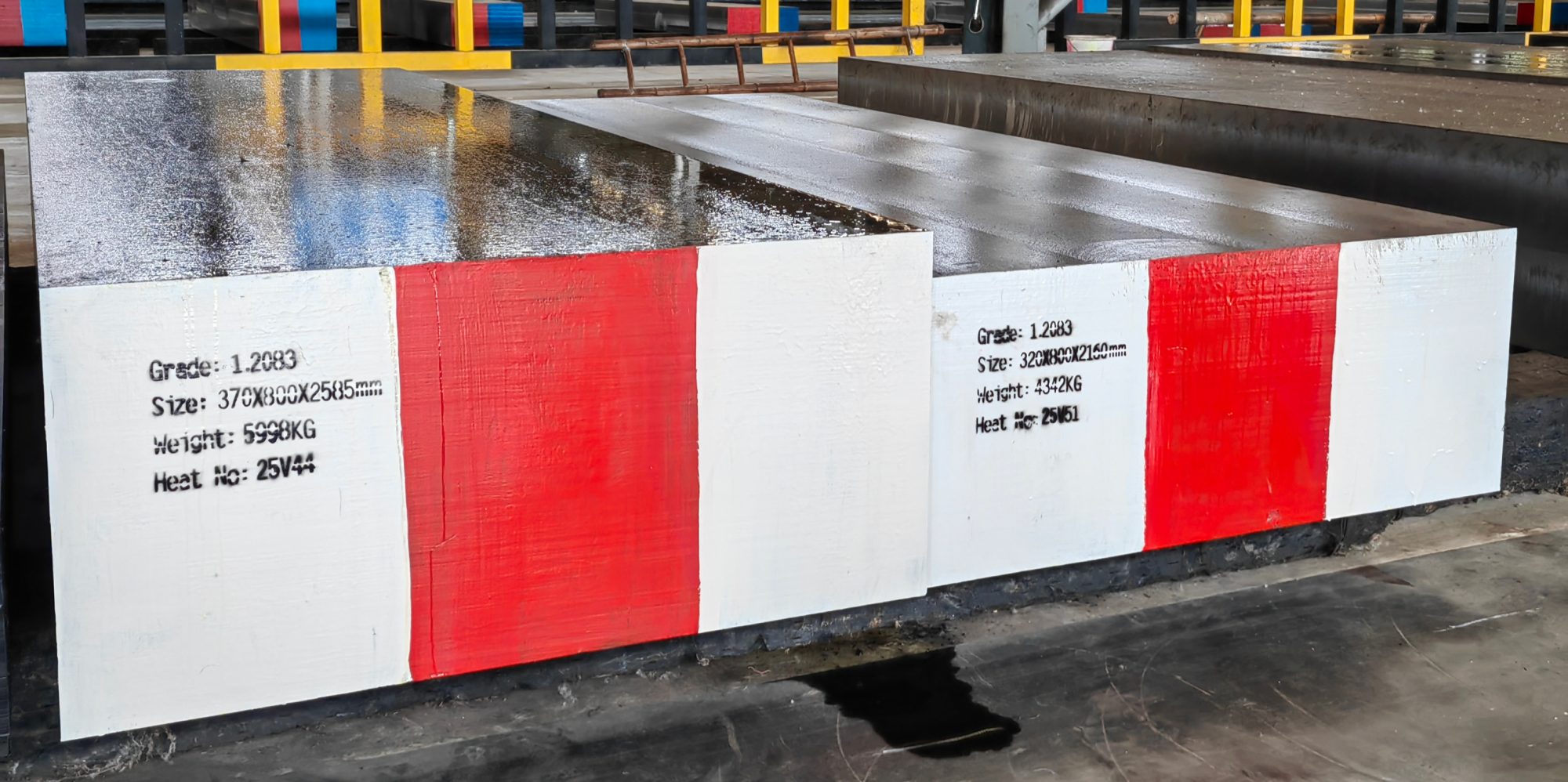
Polishability
Surface finish directly affects molded product appearance. Transparent parts, optical lenses, and glossy housings require a mirror-like finish without micro-pitting or “orange peel” defects. Polishers grind the cavity surface with 600- to 1200-grit sandpaper until achieving Ra 0.05 µm. P20 can reach approximately Ra 0.02 µm after polishing; after heat treatment, values can drop from 0.021 µm to 0.013 µm.
The SPI mold finish standard classifies polish quality from A1 (Ra 0–0.012 µm) to D3 (Ra >3.2 µm). For optical lenses, A1 is required; for glossy housings, A2 (Ra 0.012–0.025 µm) is typically sufficient.
| SPI Grade | Ra Range (µm) | Typical Applications | Recommended Steel |
|---|---|---|---|
| A1 | 0–0.012 | Optical lenses, medical optics | S136 ESR, NAK80 |
| A2 | 0.012–0.025 | Glossy housings, transparent parts | 718, P20 (polished) |
| B1 | 0.025–0.05 | General cosmetic parts | P20, 718H |
| C1 | 0.05–0.1 | Non-cosmetic functional parts | P20 |
Chromium content is critical. Maintaining 12–15% chromium with an appropriate carbon-to-nitrogen ratio promotes fine, uniform carbide distribution, enabling mirror finishes for optical molds. Exceeding this range forms coarse carbides that reduce toughness and impair polishing.
Wear Resistance and Hardness
Hardness determines mold service life across injection cycles. P20 pre-hardened steel offers 28–34 HRC and machines directly. Modified P20 provides superior toughness for high-stress applications. High-chromium 1.2083 is ideal for corrosive plastics.
The tempering curve for 1.2083 shows hardness above 52 HRC up to 500°C tempering, ensuring heat-treatment stability. Above 500°C, hardness drops rapidly to 34 HRC at 600°C.
| Tempering Temperature (°C) | Rockwell Hardness (HRc) |
|---|---|
| 100 | 56 |
| 200 | 54 |
| 300 | 52 |
| 400 | 54 |
| 500 | 53 |
| 600 | 34 |
Corrosion Resistance
Corrosive plastics such as PVC and flame-retardant grades release hydrochloric acid and other gases. Chromium content of 12–15% forms a passivation layer that resists attack. Stainless tool steels like 1.2083 (S136) are proven for halogenated flame retardants. For any volume of corrosive resin, 420SS hardened to 48–52 HRC offers reliable corrosion resistance.
In a PVC conduit mold application, 1.2316 was used for three years without visible corrosion, while a comparable P20 mold developed pitting within one year under the same conditions. The chromium content (15–17%) in 1.2316 provided the necessary passivation layer.
Without adequate chromium, molds suffer pitting and rust, degrading part quality and shortening mold life.
Dimensional Stability and Machinability
Dimensional stability ensures consistent part dimensions over millions of cycles. Pre-hardened steels like P20 and 718H provide good stability without additional heat treatment. Machinability affects lead time and cost: pre-hardened grades machine faster, while annealed grades require heat treatment after machining, adding time but allowing higher final hardness.
For large molds, pre-hardened steel reduces risk of distortion during heat treatment. In one case, a customer chose annealed S136 for a large mold. After heat treatment, the part distorted by 0.1%, causing mold closure failure. If pre-hardened 1.2316 had been used, the distortion risk would have been eliminated.
For intricate details, annealed steel may be preferred because it machines more easily before hardening.
Common Plastic Mold Steel Grades
P20 (1.2311)
A workhorse pre-hardened steel (28–34 HRC) for general-purpose molds. Suitable for low-to-medium volume production, prototyping, and large automotive interior parts. Machines easily and polishes well.
718 (1.2738)
A pre-hardened steel with higher hardness (28–36 HRC) and improved toughness compared to P20. Used for medium-to-high volume production, large molds, and applications requiring better wear resistance. Good polishability and machinability.
NAK80 (P21)
An age-hardening plastic mold steel supplied pre-hardened to 37–43 HRC. Requires no heat treatment, reducing lead times by 2–3 weeks. Offers excellent polishability (SPI A1 mirror) with 30–50% less polishing time. Suitable for fast production and low corrosion risk.
H13 (1.2344)
A hot-work tool steel with high hardness (44–52 HRC) and excellent wear resistance. Used for high-volume production (500K–2M cycles) and glass-filled plastics. Also suitable for mold inserts and cores. Offers good thermal fatigue resistance.
S136 (1.2083)
A high-chromium stainless mold steel (12–15% Cr) with excellent corrosion resistance and mirror polishability. ESR grade removes inclusions for optical lenses, medical optics, and POM resins. Requires full heat treatment.
1.2316
A pre-hardened stainless mold steel (30–34 HRC) with good corrosion resistance and polishability. Used for PVC, flame-retardant plastics, and medical devices. Offers a balance of corrosion resistance and machinability.
How to Choose the Right Plastic Mold Steel
By Production Volume
| Production Scenario | Recommended Grade | HRC Target |
|---|---|---|
| Prototype / <50K shots | P20 | 28–33 |
| Medium run (100K–500K) | P20, 718H | 28–36 |
| High volume (500K–2M) | H13 | 44–52 |
| Ultra-high volume (>2M) | H13, D2 inserts | 50–58 |
By Plastic Material and Corrosiveness
General-purpose resins (PE, PP, ABS) pair with medium-hardness steels. Glass-filled plastics are abrasive and require high hardness (H13 or D2 inserts) at gates and thin ribs. Corrosive plastics (PVC, flame-retardant) need 12–15% chromium stainless steels like 1.2083 or 1.2316.
PVC decomposition releases HCl, which reacts with iron to form FeCl₂, accelerating corrosion. This mechanism is documented in Polymer Degradation and Stability. Only steels with Cr >12% form a protective passivation layer.
By Surface Finish Requirement
For optical lenses and transparent parts, specify S136 ESR or NAK80 to achieve SPI A1 mirror finish. For glossy housings, P20 or 718H with proper polishing can suffice. For matte or textured surfaces, standard P20 is adequate.
Pre-Hardened vs Annealed
Pre-hardened steels (P20, 718, NAK80, 1.2316) arrive ready to machine, reducing lead time and eliminating heat-treatment distortion risk. Annealed steels (S136, H13) require heat treatment after machining, allowing higher final hardness and better toughness but adding time and cost. Choose pre-hardened for most molds; choose annealed for high-volume, high-wear, or corrosion-resistant applications.
FAQs About Plastic Mold Steel
What is the difference between plastic mold steel and hot work steel?
Plastic mold steel operates at 150–250°C and prioritizes polishability and corrosion resistance. Hot work steel operates above 600°C and prioritizes thermal fatigue resistance and hot hardness. H13 can be used for both, but plastic molds typically use P20, 718, NAK80, or S136.
Which plastic mold steel is best for transparent parts?
S136 ESR or NAK80. S136 ESR removes inclusions for pitting-free polishing; NAK80 offers pre-hardened convenience and fast delivery. Both achieve SPI A1 mirror finish.
Can P20 be used for PVC molding?
No. PVC releases corrosive hydrochloric acid. P20 lacks sufficient chromium and will corrode. Use 1.2083 or 1.2316 stainless mold steel instead.
What hardness should plastic mold steel be?
It depends on production volume and plastic type. General-purpose: 28–34 HRC. Medium volume: 30–36 HRC. High volume: 44–52 HRC. Corrosive plastics: 30–35 HRC with 12–15% Cr.
Does NSPM supply plastic mold steel?
Yes. NSPM stocks over 50,000 tons of specialty steel across 11 warehouses, including P20, 718, NAK80, H13, S136, and 1.2316. The company offers custom cutting and vacuum heat treatment services and exports to over 30 countries.