

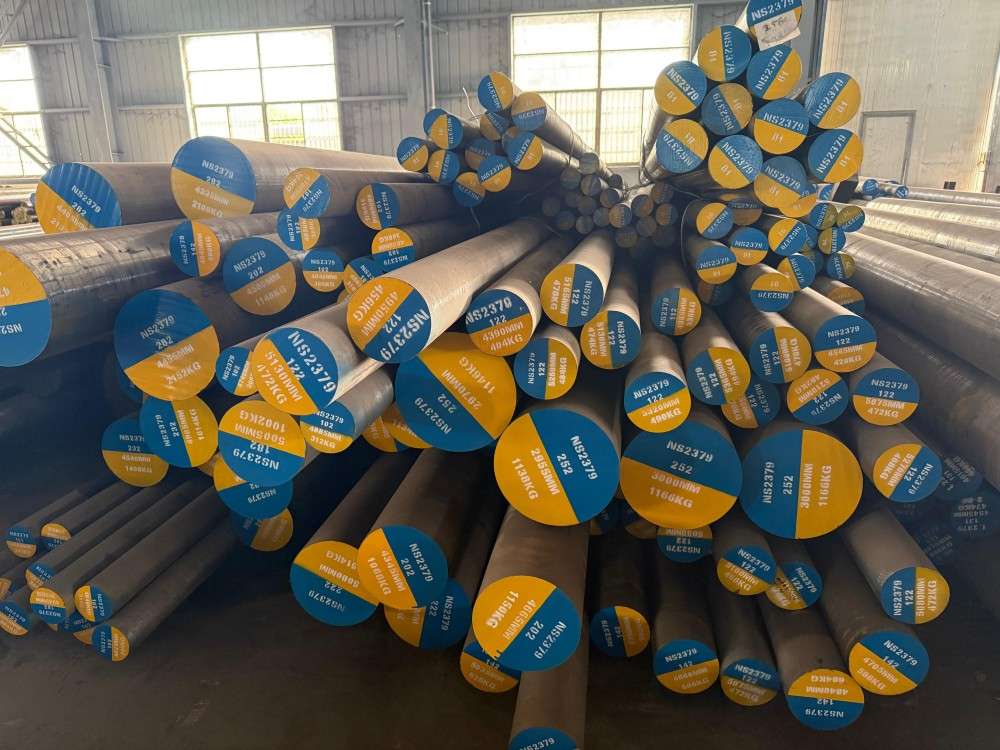
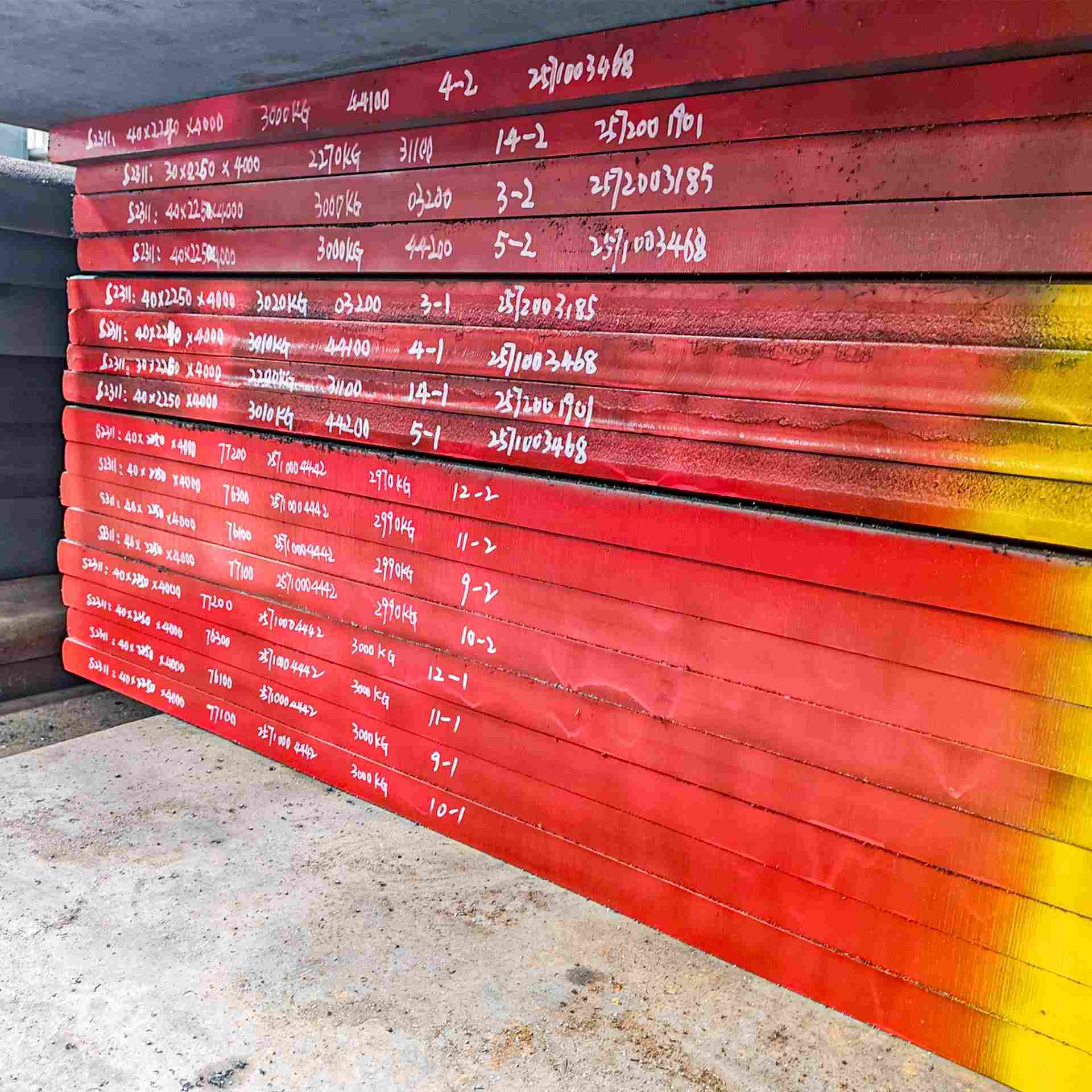
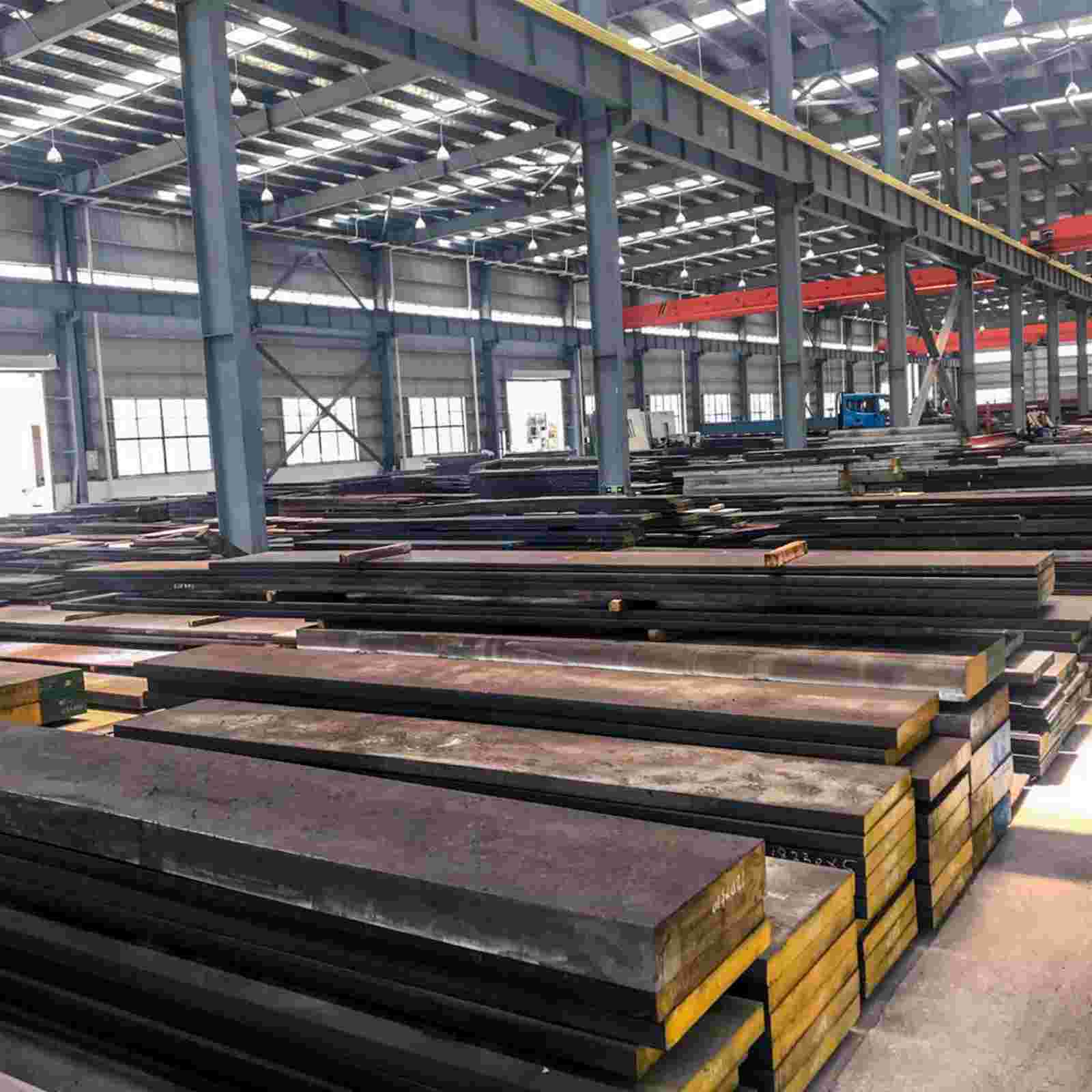
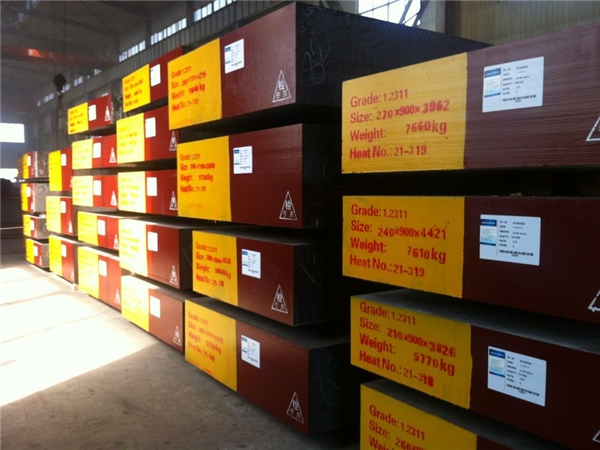
1.2311 is a pre-hardened mold steel with a typical hardness of 28–32 HRC. Suppliers often quote 300 HBW, which is roughly 30 HRC on the Rockwell C scale. This hardness is uniform through the thickness for standard mold sizes. Plastic mold steel like 1.2311 is used for injection molding, and consistent hardness supports stable machining and wear performance. Ningshing Precision Machinery supplies 1.2311 in the pre-hardened condition with certified hardness values.
Key Takeaways
- 1.2311 steel arrives pre-hardened at 28–32 HRC, ready for plastic mold machining without additional heat treatment.
- Nitriding can raise surface hardness to 650–700 HV (about 57–60 HRC) while keeping the core tough.
- Full quenching and tempering can reach 52 HRC, but distortion risk makes it rare for large molds.
- Compared with P20 and 1.2738, 1.2311 offers a balanced mix of machinability, polishability, and wear resistance.
- 1.2738 provides better through-hardness in thick sections; 1.2311 remains the cost-effective choice for general-purpose molds.
- Always verify the mill test certificate for hardness values before accepting a shipment.
1.2311 Hardness by Condition
Pre-Hardened / As-Supplied Condition
1.2311 arrives from the supplier already heat-treated to a working condition. Manufacturers deliver this plastic mold steel in the quenched and tempered state. The typical hardness range is 28–32 HRC for standard grades. Some suppliers offer 29–34 HRC or 28–36 HRC for high-performance variants. On the Brinell scale, this corresponds to 280–325 HB, with 300 HBW commonly quoted.
The steel achieves this uniform performance through its alloy composition. Chromium and molybdenum provide good hardenability, allowing consistent hardness across the cross-section for typical mold sizes. This distribution matters for mold bases, where uneven hardness would cause distortion during machining or early wear in service. Ningshing Precision Machinery supplies this material in the pre-hardened state, ensuring consistent performance across every shipment.
In the annealed condition, 1.2311 shows a much softer state. Hardness drops to approximately 175–200 HB. Annealing involves heating to 760–790°C and cooling slowly. This soft state makes machining easier, but manufacturers do not supply 1.2311 in this condition for mold making. The steel would require a full quench and temper cycle after machining, introducing distortion risk.
After Quenching and Tempering
Although 1.2311 arrives pre-hardened, further treatment can increase wear resistance. After a full quench from 850–880°C in oil, the steel reaches a maximum of 52 HRC. Tempering adjusts the final hardness downward. At 100°C, hardness stays near 52 HRC. At 200°C it drops to 50.2 HRC. As temperature rises, hardness falls steadily: 48.5 HRC at 300°C, 46 HRC at 400°C, 42 HRC at 500°C, 36.5 HRC at 600°C, and 28 HRC at 700°C.
Despite this capability, most mold applications do not benefit from re-hardening. Higher hardness introduces cracking risk, especially in complex mold geometries. The steel also distorts during quenching, requiring expensive post-treatment grinding. For these reasons, the standard 28–32 HRC pre-hardened condition remains the preferred choice for plastic injection molding.
After Nitriding or Surface Hardening
Nitriding offers an alternative path to higher wear resistance without affecting the core. The process introduces nitrogen into the surface at 500–550°C for 20–40 hours. This forms a hard nitride layer with case hardness of 650–700 HV, approximately 57–60 HRC. Case depth is usually 0.1–0.3 mm.
Nitriding improves wear resistance, galling resistance, and fatigue strength. It suits mold cavities that experience abrasive materials or high sliding contact, such as ejector pins, slides, and gates. Because the core remains at 28–32 HRC, the mold retains toughness and resistance to cracking. Flame hardening and induction hardening are also possible but less common for plastic molds.
Key Factors Affecting 1.2311 Hardness
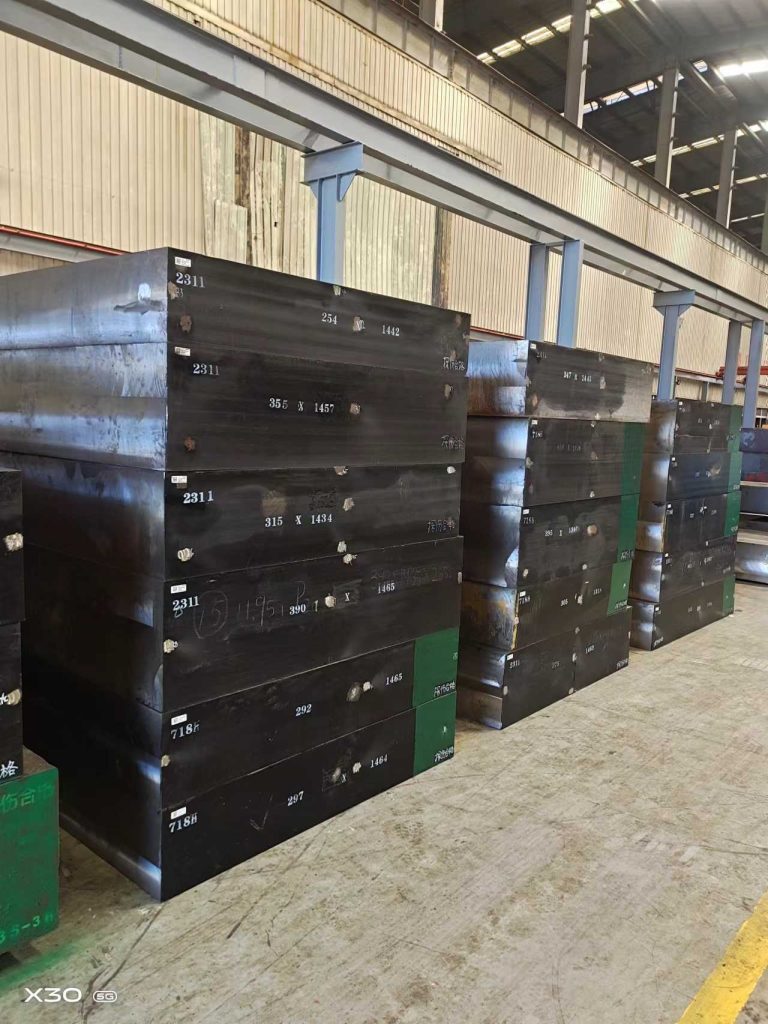
Chemical Composition and Alloying Elements
The chemical makeup of 1.2311 controls its performance. This plastic mold steel has chromium and molybdenum as its main alloying elements. Typical composition includes 0.35–0.45% carbon, 1.80–2.20% chromium, and 0.15–0.25% molybdenum. Carbon is the primary element controlling hardness. Chromium adds wear resistance and corrosion resistance. Molybdenum helps with strength and toughness.
Compared with hot work steels such as H13, 1.2311 has lower carbon and alloy content. This is why its pre-hardened hardness is lower and why it is not designed for high-temperature applications.
Section Thickness and Heat Treatment
Section thickness affects how steel cools during pre-hardening. Thicker sections cool more slowly, which can cause uneven hardness in some grades. But 1.2311 has good hardenability. The alloy composition provides good hardness uniformity in medium sections. This makes 1.2311 dependable for medium to large mold bases.
More heat treatment can raise hardness above the as-supplied range. Quenching and tempering can push 1.2311 to higher levels. Still, this treatment brings distortion and cracking risk. The steel may warp during quenching, so extra grinding is needed. For these reasons, mold makers usually use 1.2311 in the as-supplied condition. The pre-hardened state gives the right balance without the risks of post-treatment.
1.2311 Hardness vs. P20 and 1.2738
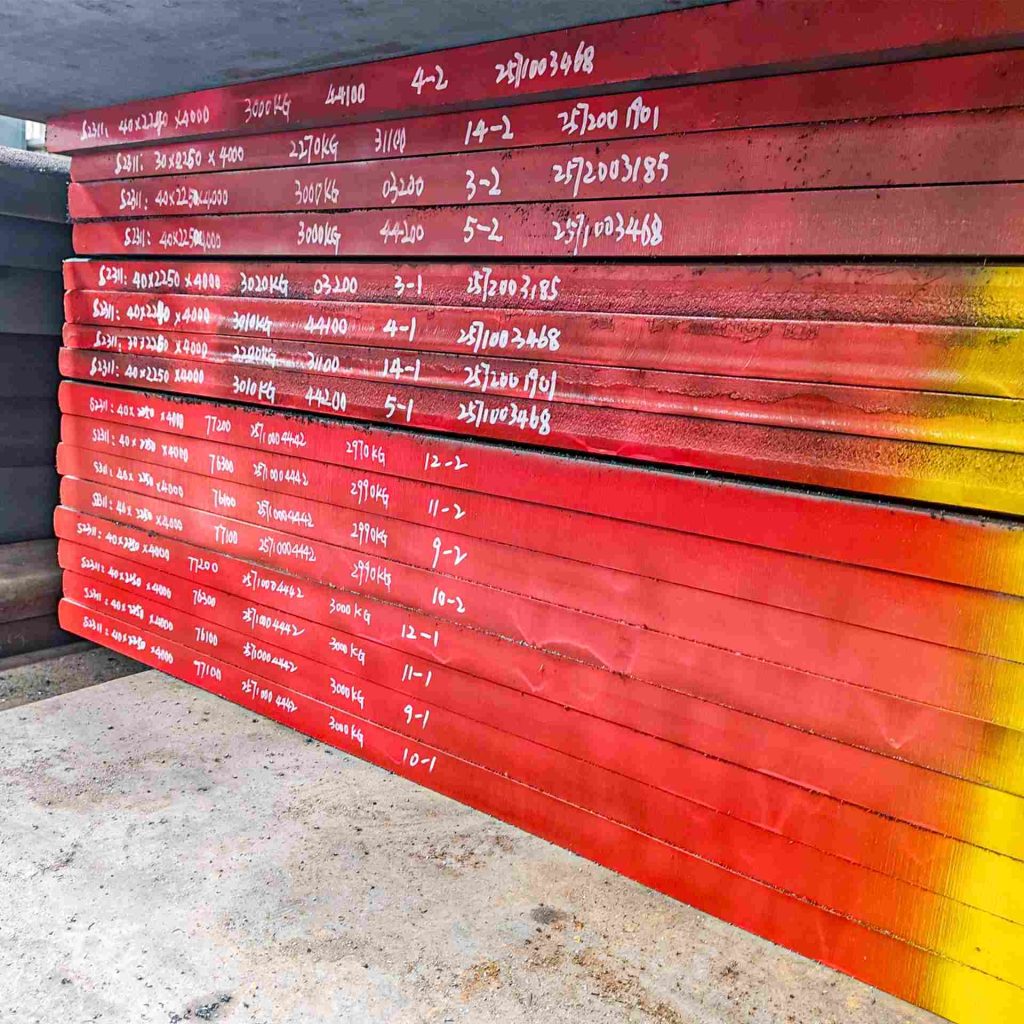
1.2311 vs. P20
The hardness gap between 1.2311 and P20 grades changes how they work in plastic mold steel jobs. Standard P20 usually measures 28–32 HRC, and 1.2311 sits at 28–32 HRC. This small gap matters for wear resistance. The 1.2311 grade often hits 30–35 HRC in real use, which helps it resist scratches during deep-cavity demolding. P20 may fall below 20 HRC at 300°C, which makes sealing areas warp. The 1.2311 steel holds steady high-temperature hardness for dependable sealing.
Life cycle data shows why hardness matters. The 1.2311 grade lasts 600,000–1,000,000 cycles, while P20 reaches 300,000–500,000 cycles. First maintenance for 1.2311 comes at about 150,000–200,000 cycles. P20 needs attention at 50,000–80,000 cycles. For glass-filled or flame-retardant plastics, 1.2311 is chosen first because its higher cleanliness and hardness fight erosion and acidic gas corrosion.
1.2311 vs. 1.2738 (P20+Ni)
The hardness gap between 1.2311 and 1.2738 is bigger. The 1.2738 grade gives 30–34 HRC, or up to 38 HRC for the HH variant. This higher hardness range gives greater wear resistance and compressive strength. The key difference is through-hardenability. The 1.2738 grade has about 1% nickel, which keeps core hardness near surface hardness in thick blocks. Large pieces of 1.2311 may have a softer center.
DIN 1.2311 is generally considered to have better machinability than DIN 1.2738. It is easier to cut, drill, and shape. If you need to quickly machine a mold, 1.2311 might be more suitable. With the right tools and techniques, you can still achieve excellent results with 1.2738, but it may take more time and effort.
The hardness and properties of 1.2311 make it a good fit for medium-sized plastic injection molds. The 1.2738 grade suits long-life or large molds where steady hardness across the tool’s thickness is key. For high-gloss parts or automotive molding, 1.2738 is preferred. The 1.2311 steel remains the best cost-performance choice for general-purpose molds. Ningshing Precision Machinery supplies both grades with certified hardness values.
FAQs About 1.2311 Steel Hardness
What is the hardness of 1.2311 steel in the as-supplied condition?
1.2311 steel is normally supplied pre-hardened to 28–32 HRC, approximately 280–325 HB. The typical nominal hardness is 30 HRC. Always confirm the exact range on the mill test certificate, because suppliers may offer slightly different ranges.
Can 1.2311 steel be hardened beyond its pre-hardened state?
Yes. 1.2311 can be quenched and tempered to 48–54 HRC depending on tempering temperature. However, this is not common for large molds because of distortion risk. For most applications, nitriding is a better way to increase surface hardness while maintaining core toughness.
Does NSPM supply 1.2311 steel with certified hardness testing?
Yes. Ningshing Precision Machinery supplies 1.2311 pre-hardened steel plates and rounds with mill test certificates that include chemical composition, mechanical properties, and hardness results. Hardness is tested per batch and can be verified at multiple points on request. For large molds or critical applications, NSPM can provide additional ultrasonic testing and hardness mapping. Contact the NSPM technical sales team for specific hardness requirements and availability.